50 Stunning Examples of Cities at Night
Urban Night Photography
Posted in Photography Articles
Text and Images by Andrew Prokos
In my previous articles covering abstract photography and architecture photography I presented no fewer than 50-100 examples of photographs from these genres, with some natural overlap between the two. In this article I present the same number of examples of night photography taken over the span of my twenty-plus year career as a photographer. These images span four categories – Street, Architecture, Cities, and Conceptual:
Read on below to explore each genre of night photography, from sweeping views of the world’s great cities to close-up details of contemporary architecture and my more conceptual series which employ the use of images taken at night to weave a wider narrative. I include a note on technique at the bottom which explains how I transitioned from shooting film for many years to the digital capture I use today.
Street Scenes at Night
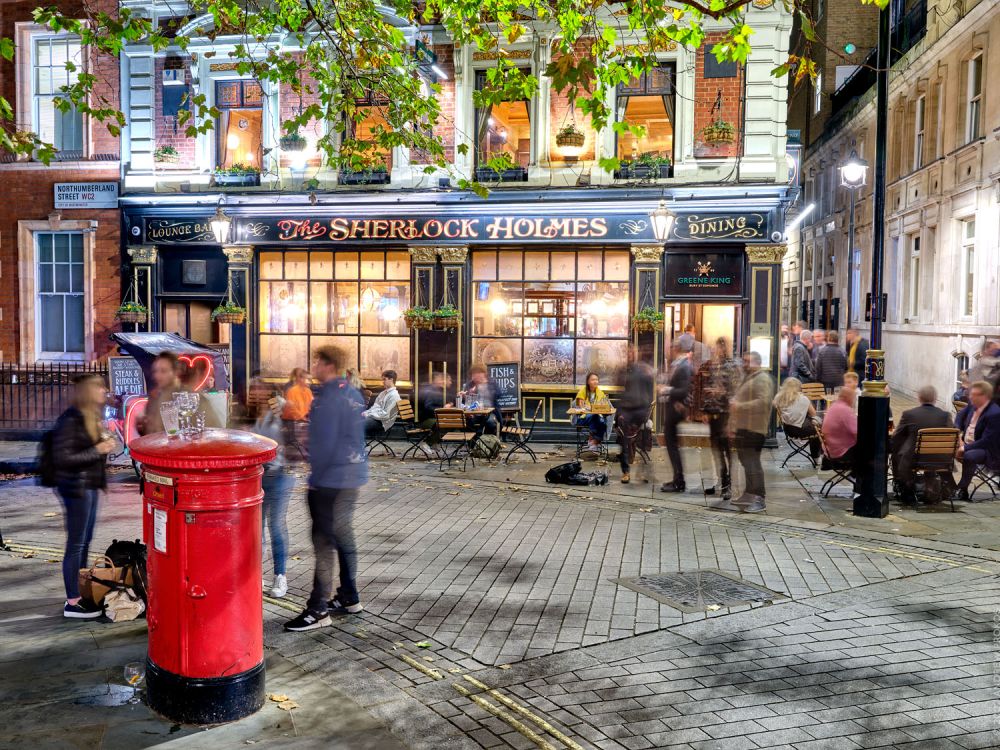
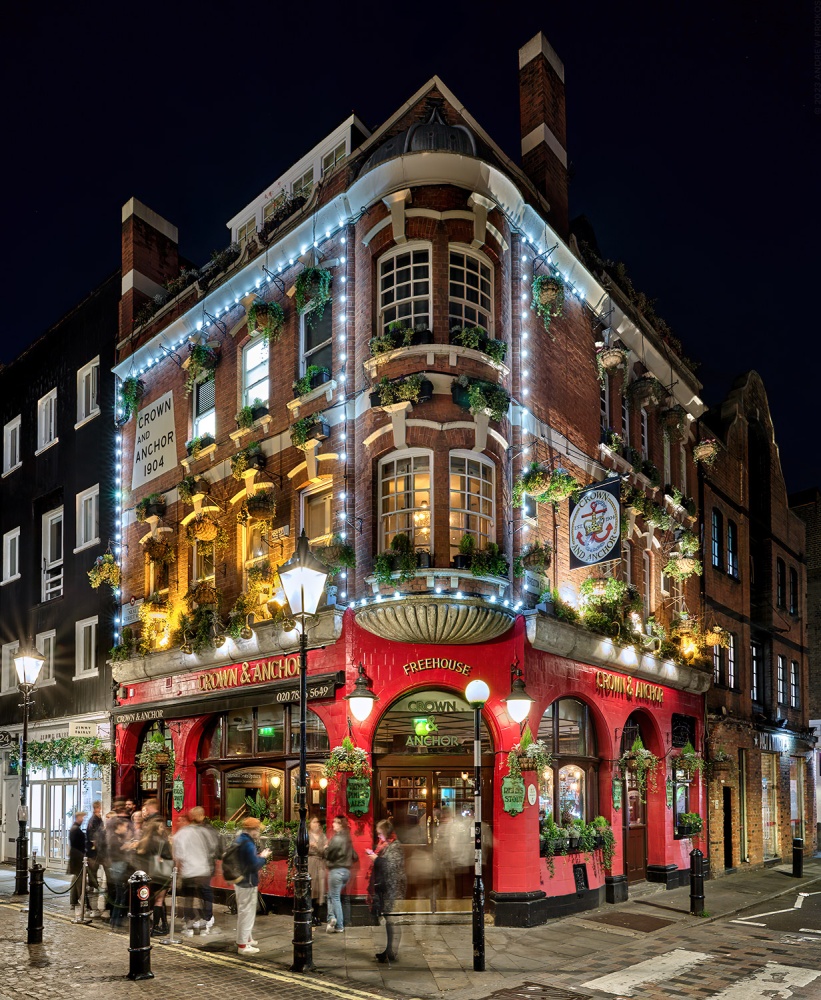
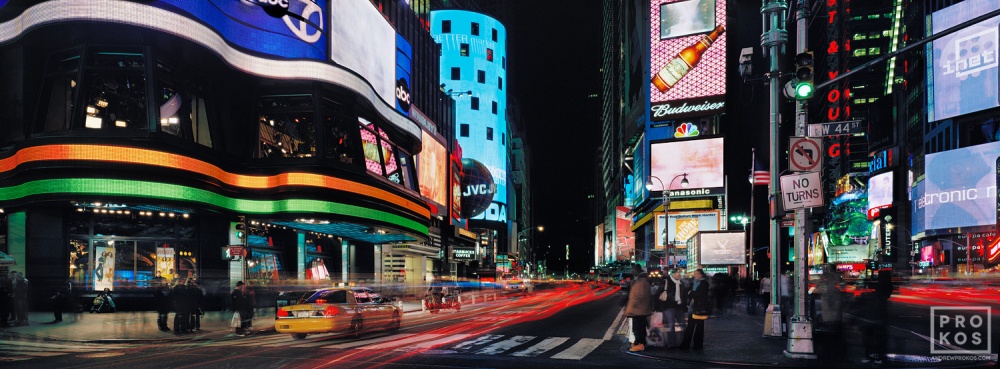
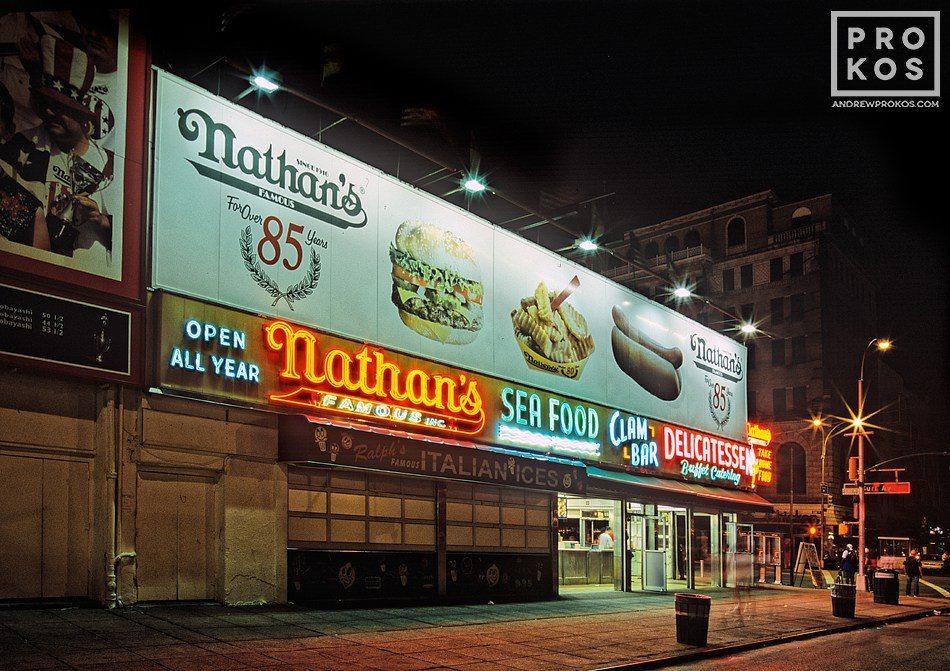
First up we have examples of stunning street scenes in color captured in London and New York. These encompass quite a large span chronologically speaking. The oldest photos being the images from Coney Island, Brooklyn, which were captured on chrome film circa 2005. The latest images of London were all captured via 100 megapixel medium format digital in 2022. Street scenes are a particular animal, but I enjoy shooting them because they are less composed and less formal in general. They convey a sense of spontaneity and dynamism that things like architecture simply cannot.

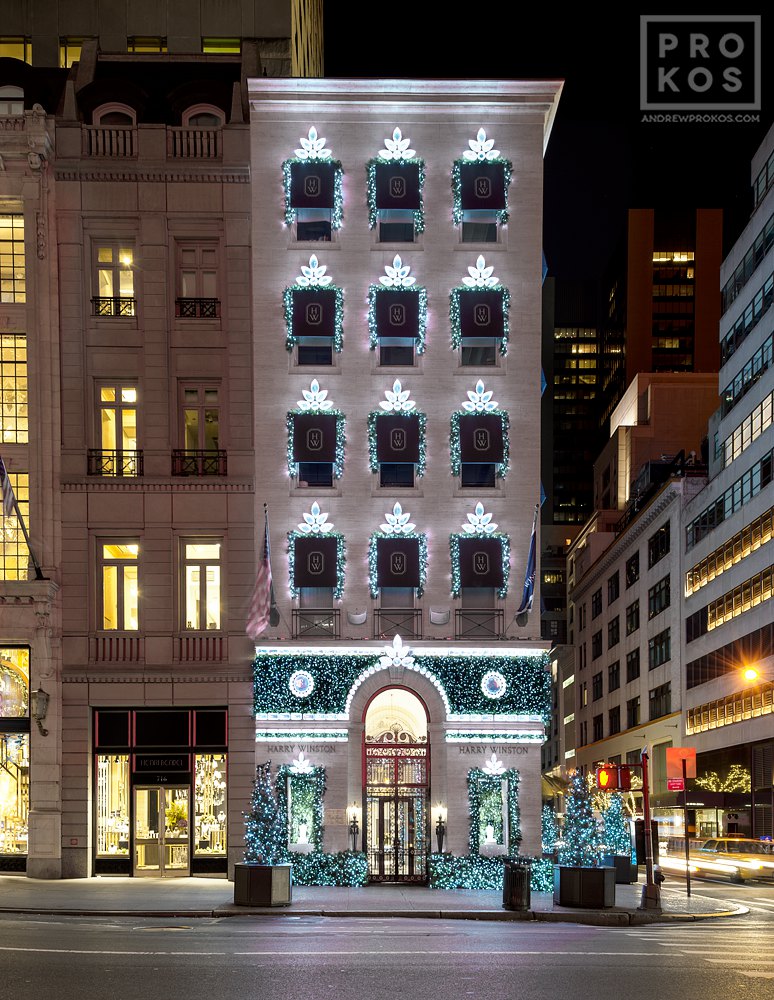
Architecture at Night
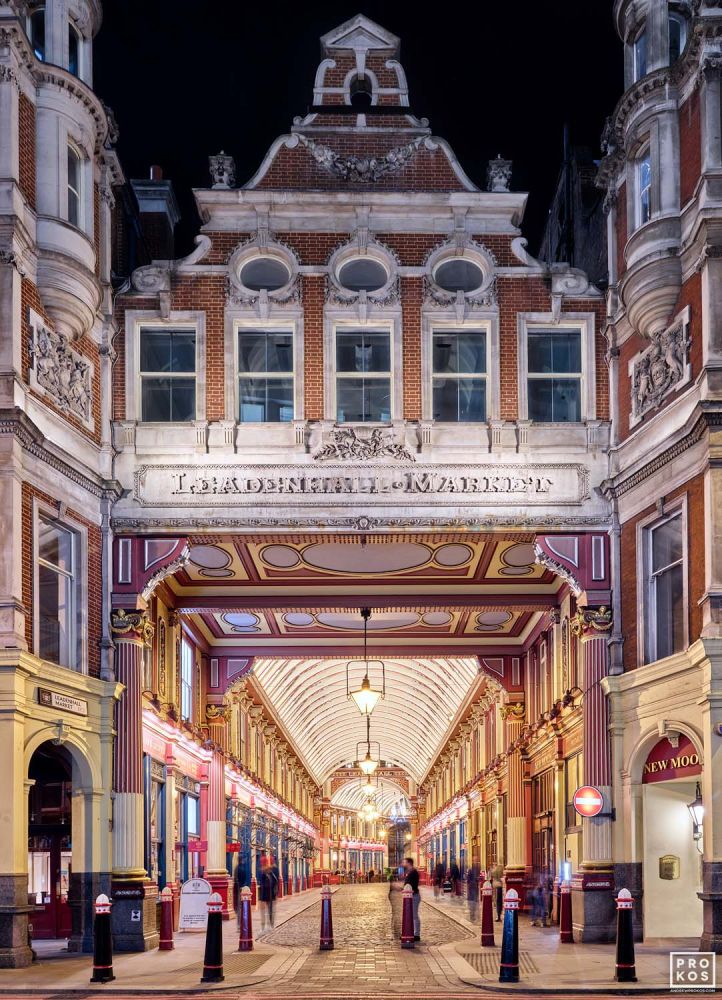
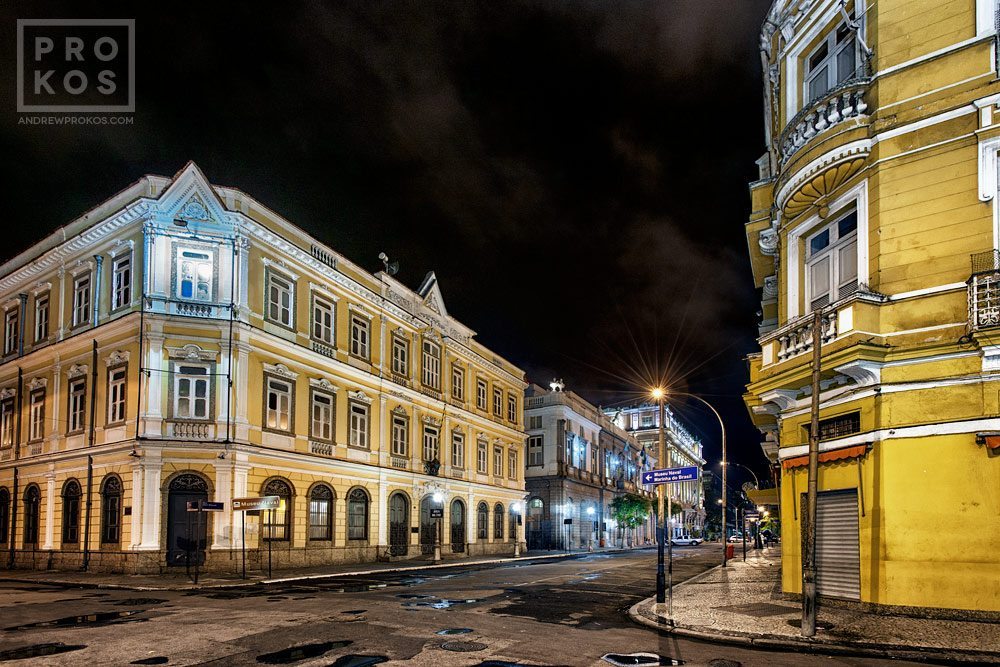
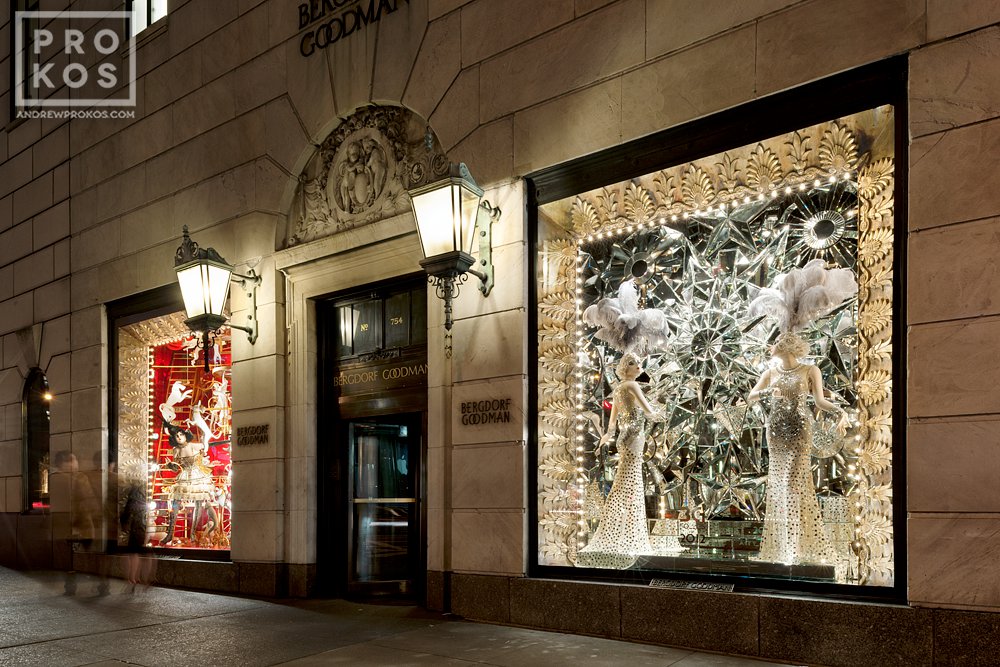
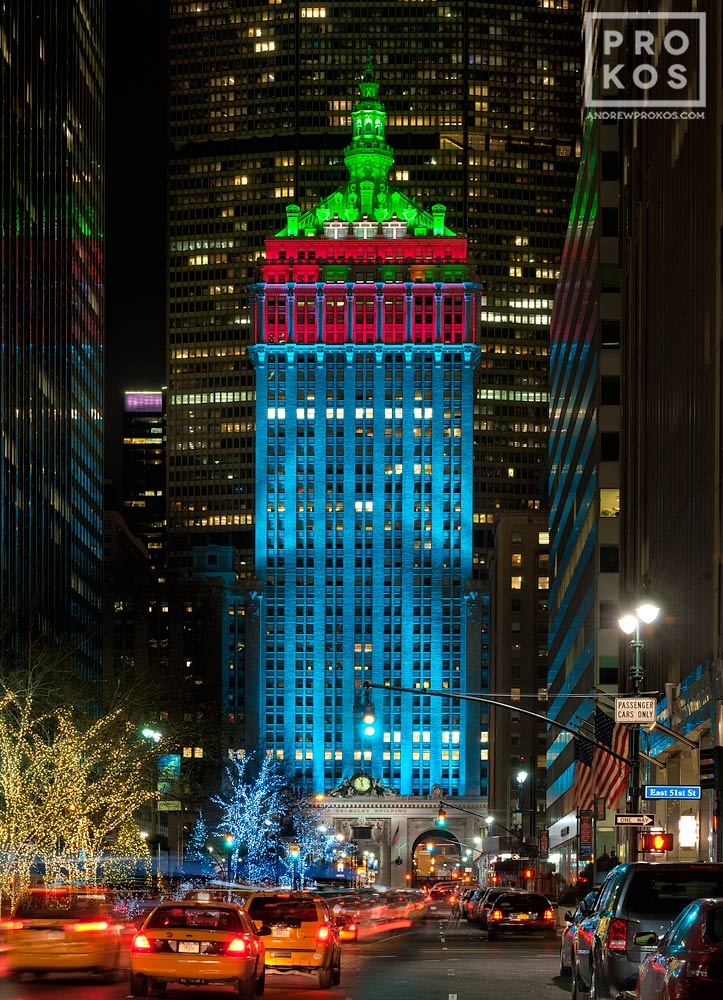
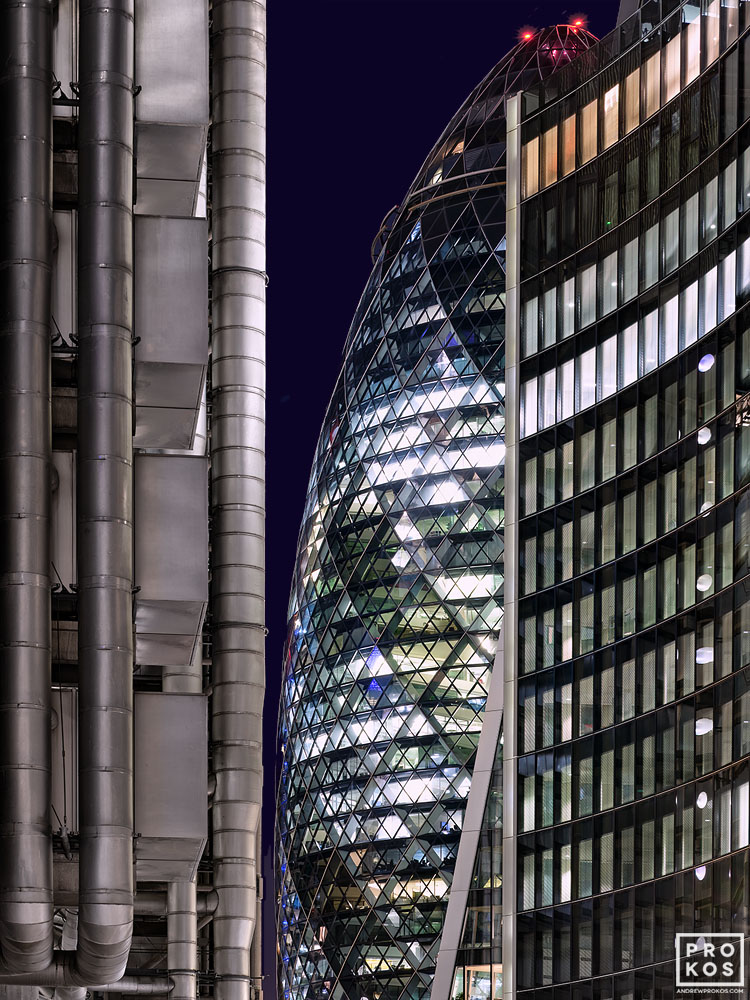
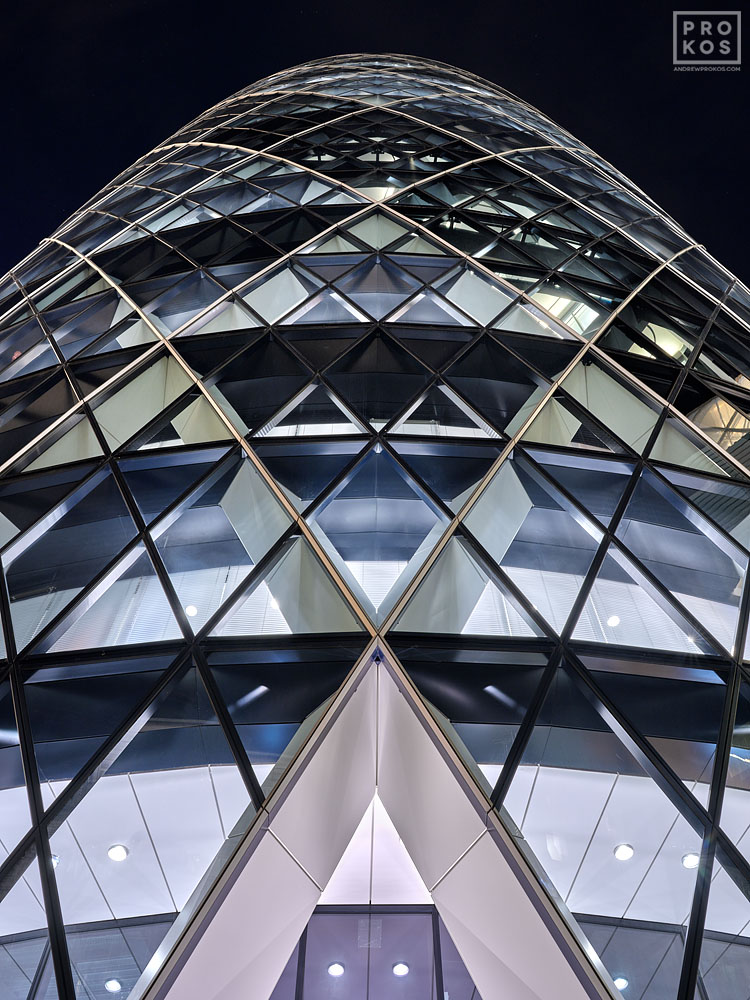
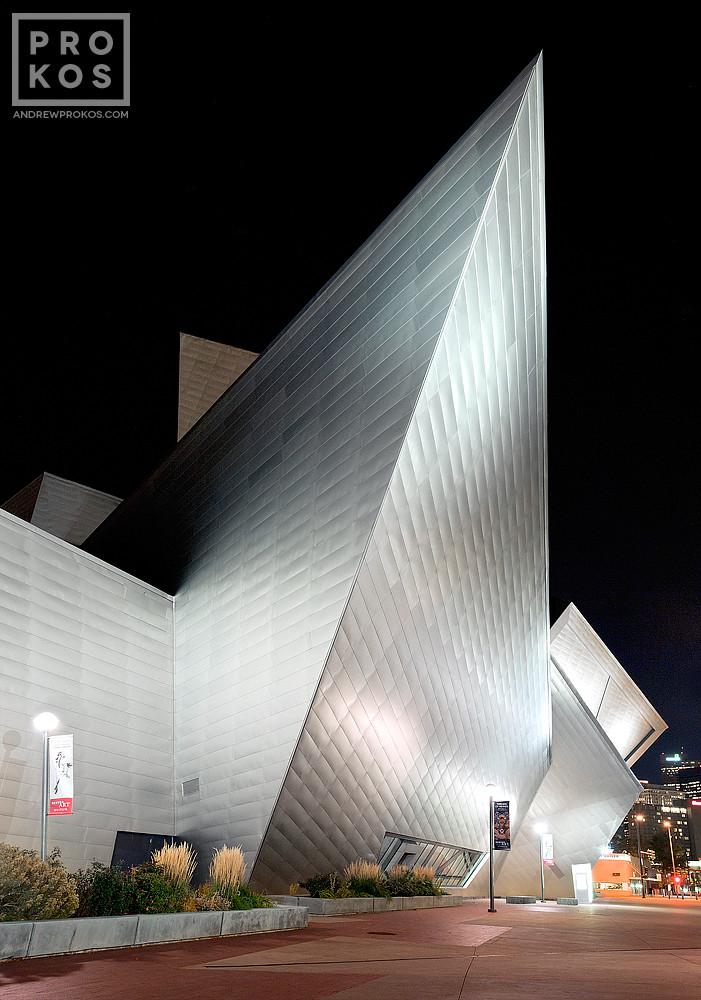
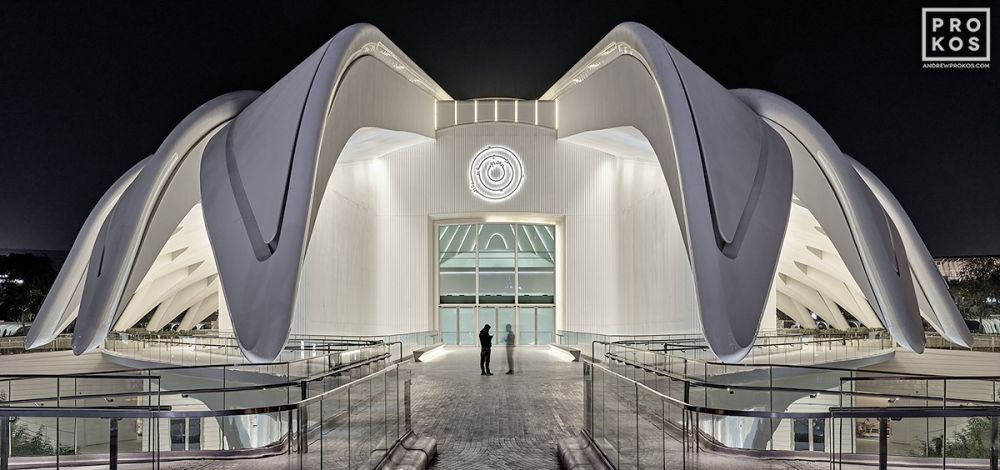
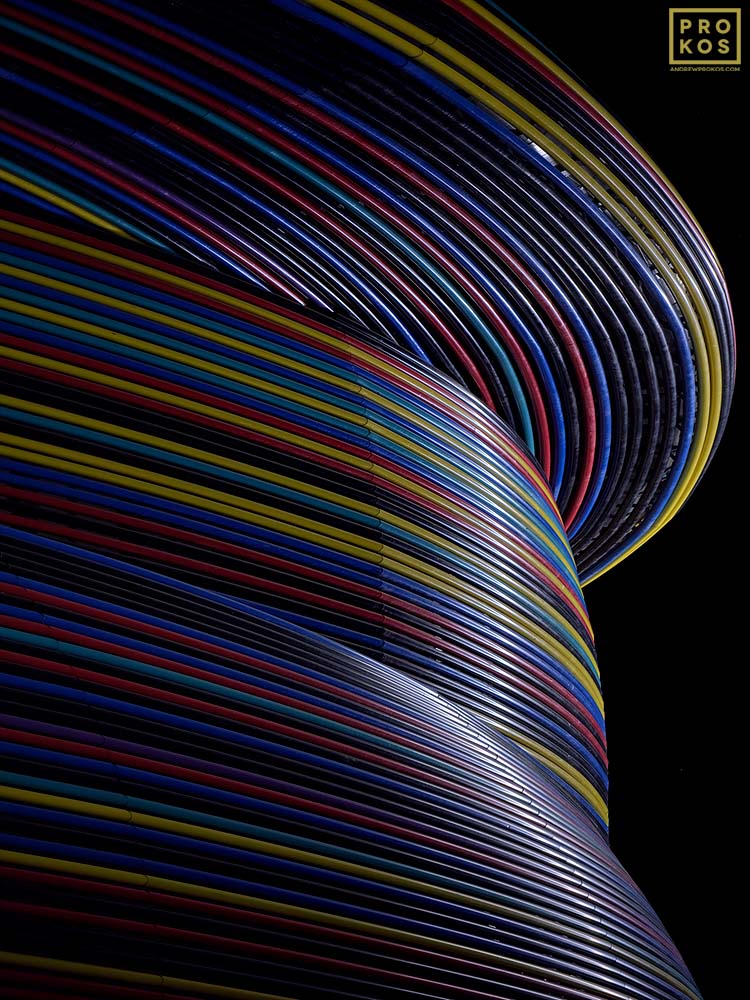
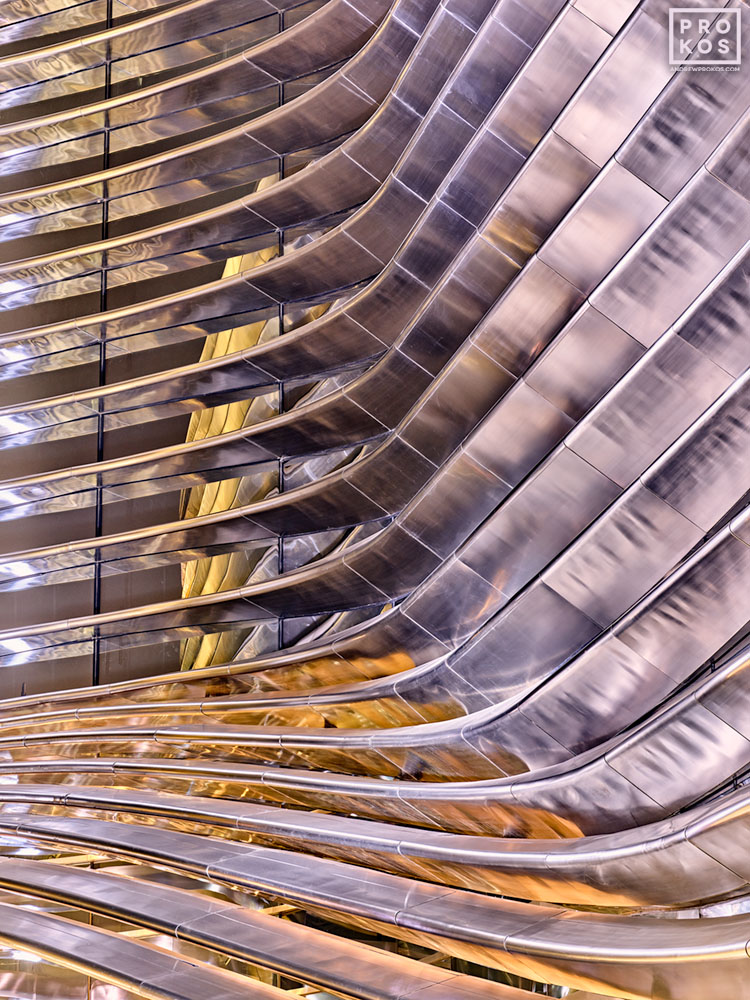
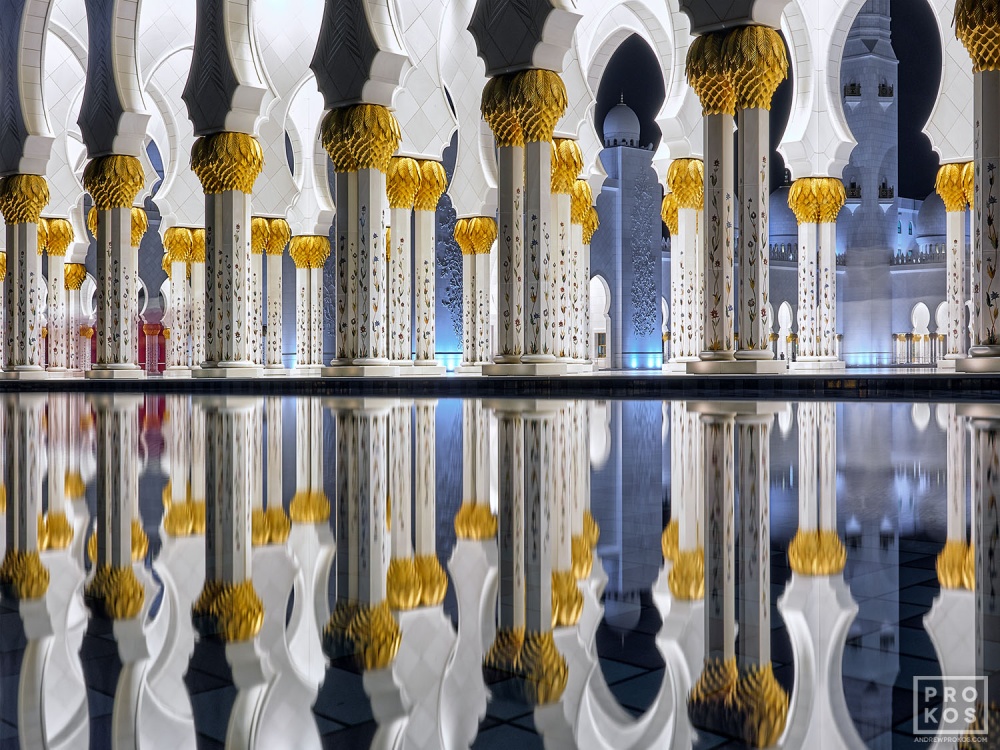
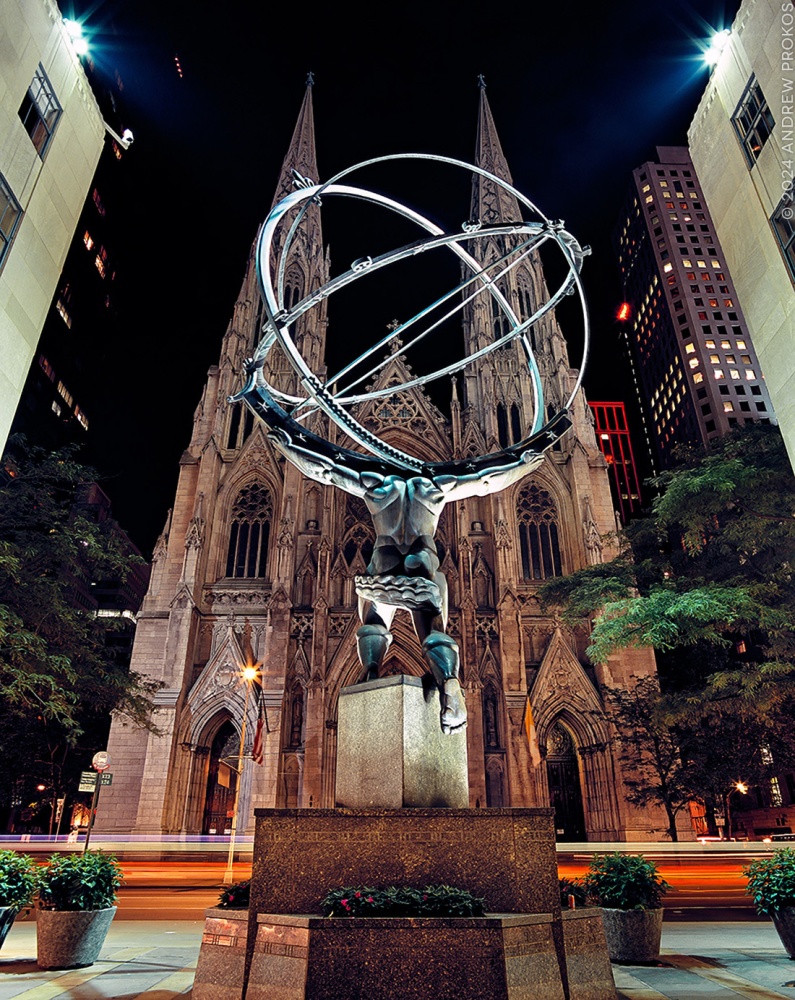
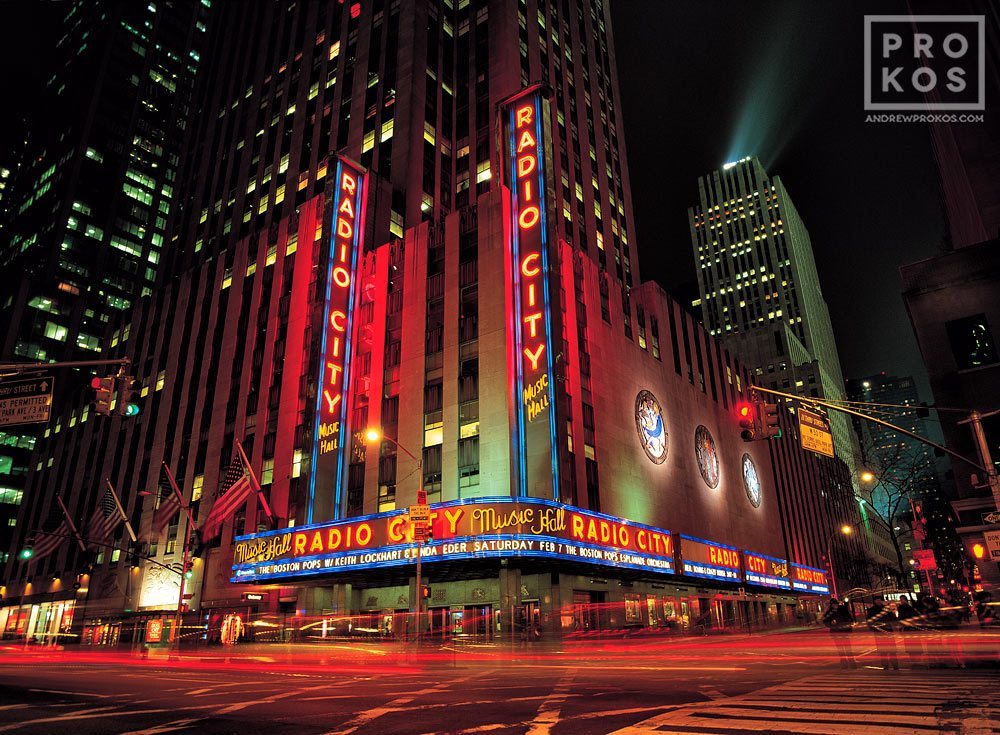
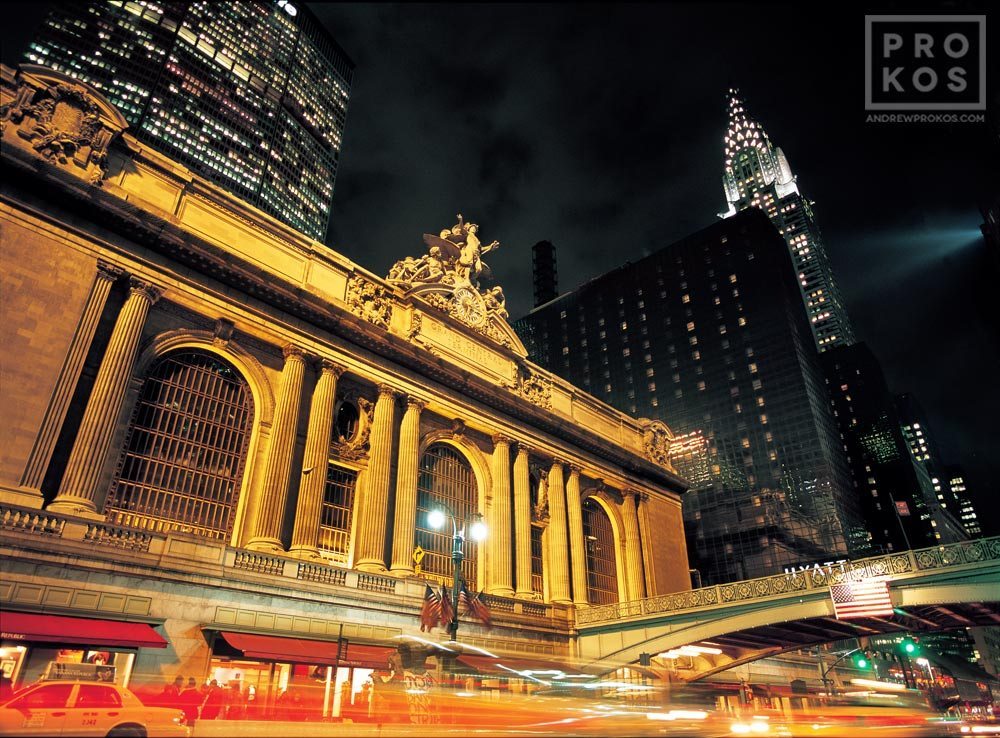
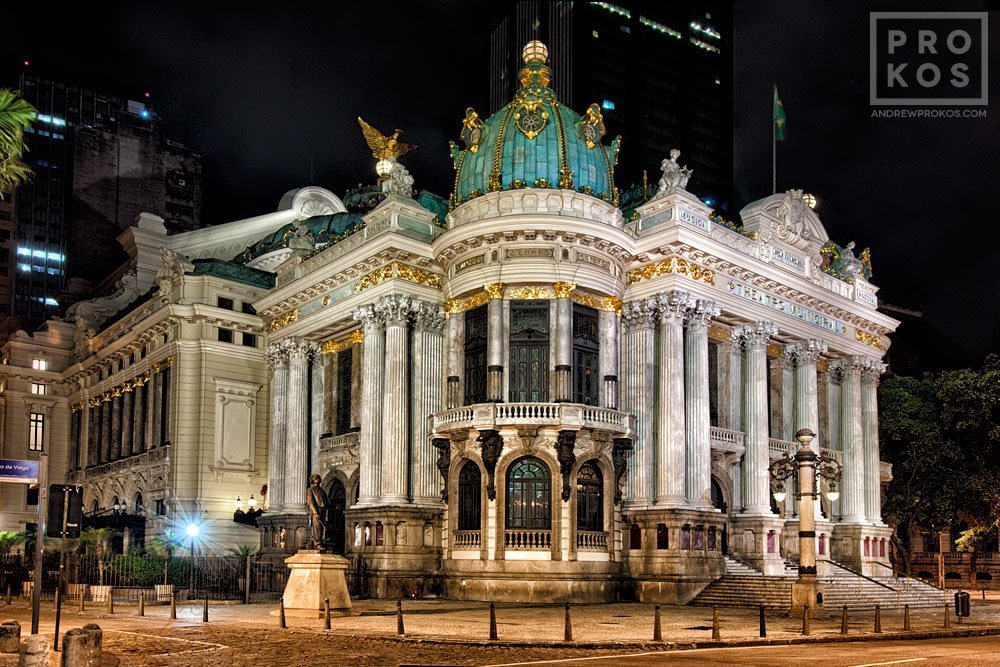
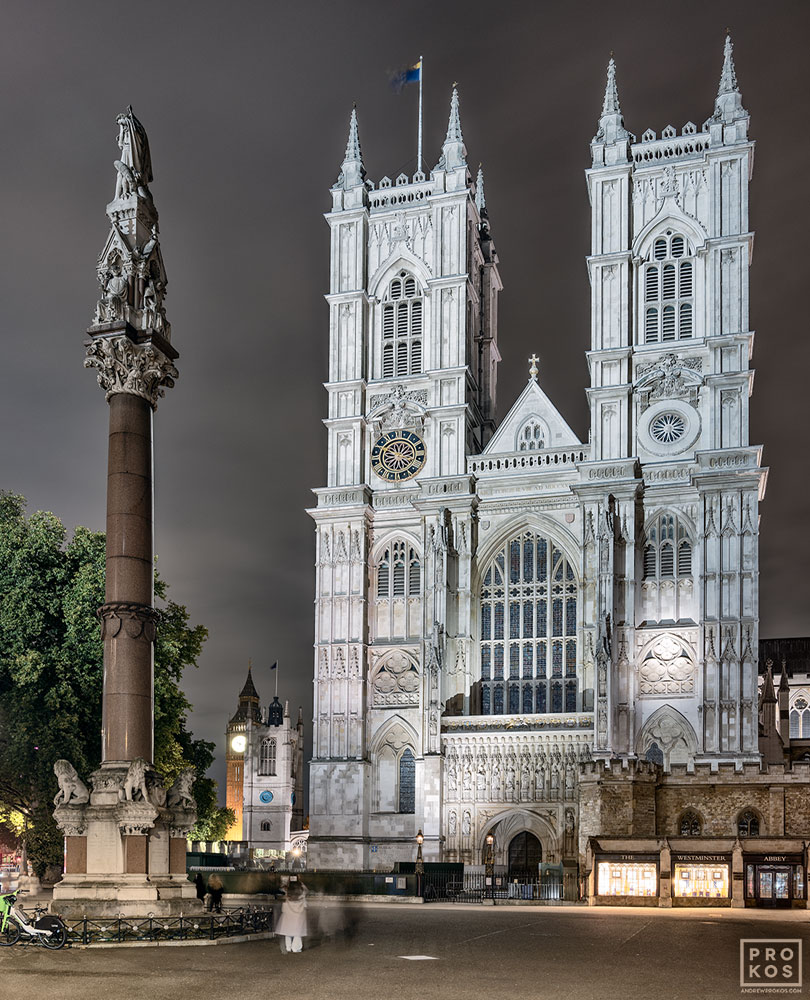
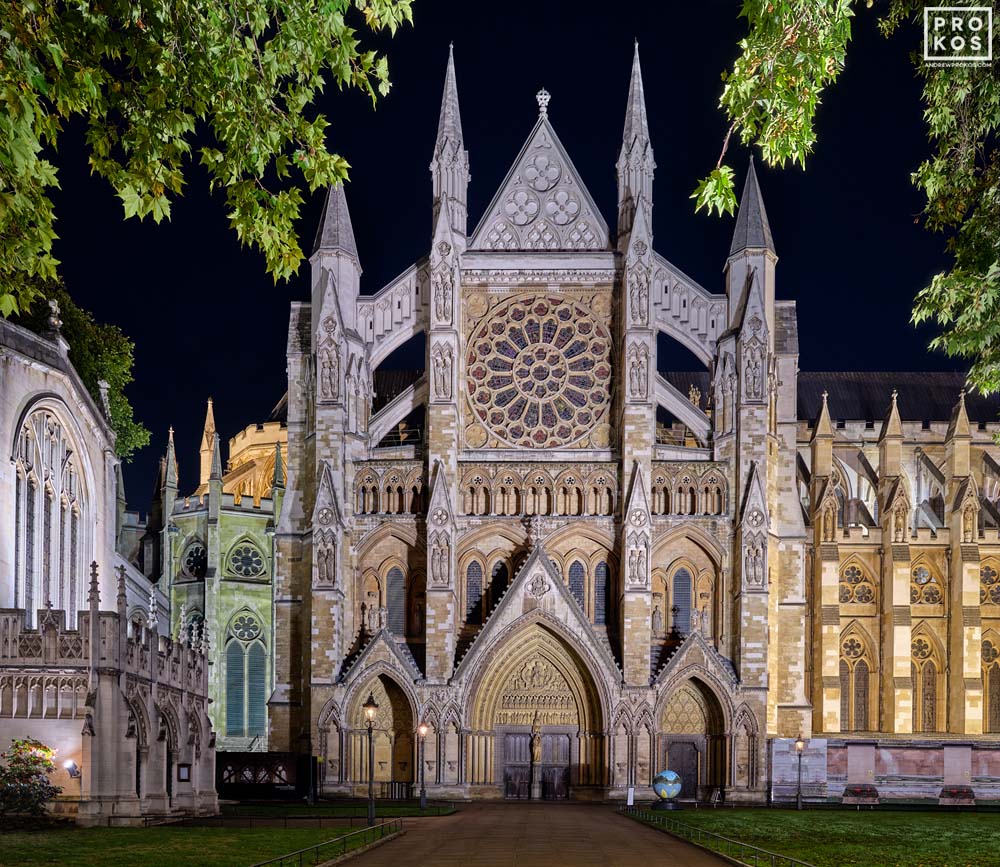
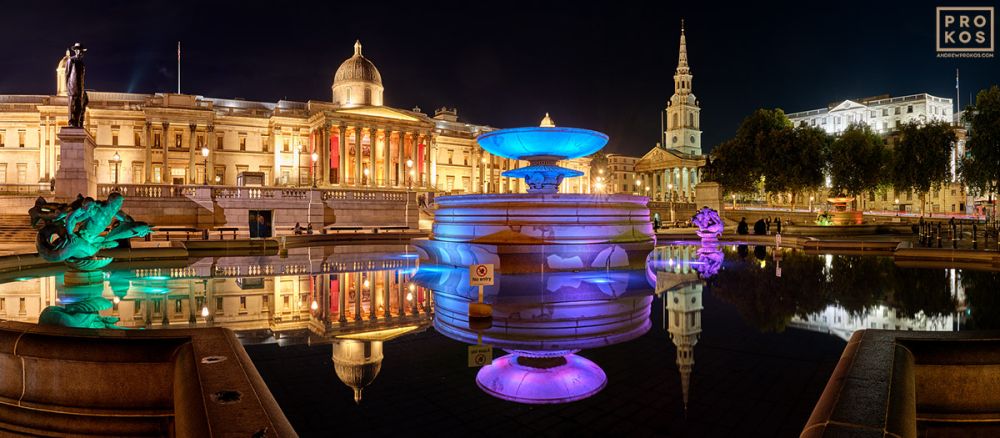
Over the course of the last twenty years I have had the opportunity to photograph a lot of striking contemporary architecture and beautiful historic buildings at night. Below are examples from some of my favorites from NYC, London, Dubai, Abu Dhabi, Rio de Janeiro, and Denver, Colorado. Why shoot them at night you might ask? Well, typically these buildings are located in challenging areas with high foot traffic during the day. Shooting at night allows me to have a respite from the onslaught of people who are in the way, and more than that, it allows me to portray the building with a completely different type of illumination than one finds during the day. The long exposure times and interior light which emanates from these buildings creates jewel-like tones and and an inner glow that has always attracted me as a photographer. I have always said that New York City, for example, is far more beautiful at night than it ever could be during the day. The long exposure time needed to capture these scenes contributes to bathing the entire scene in a non-directional light which I find very appealing as an artist.
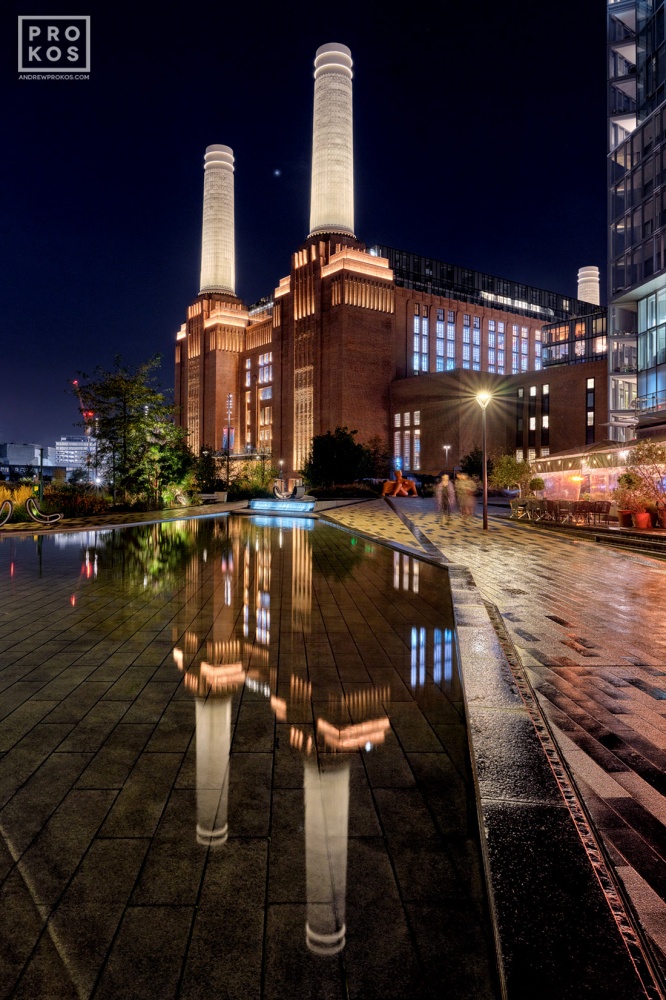
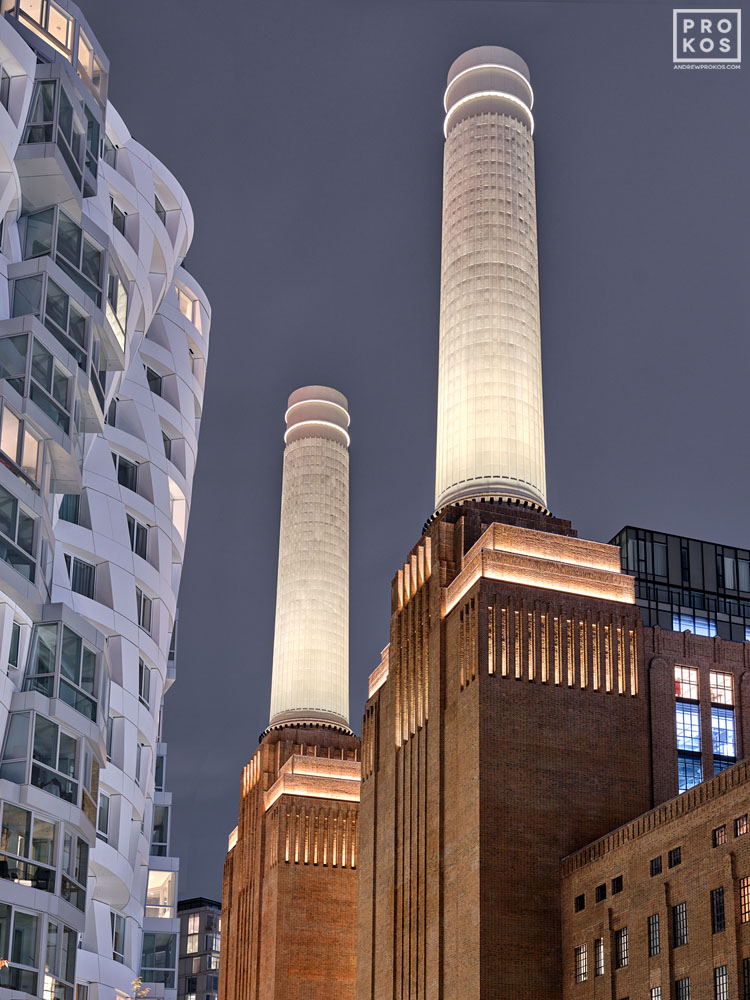
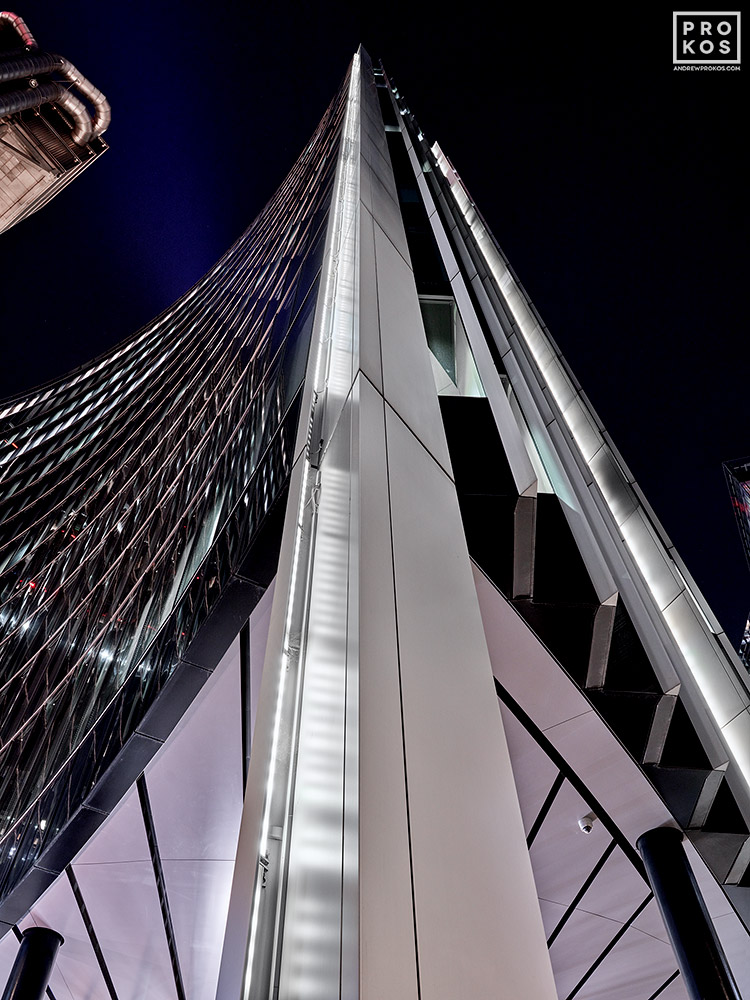


Cities at Night
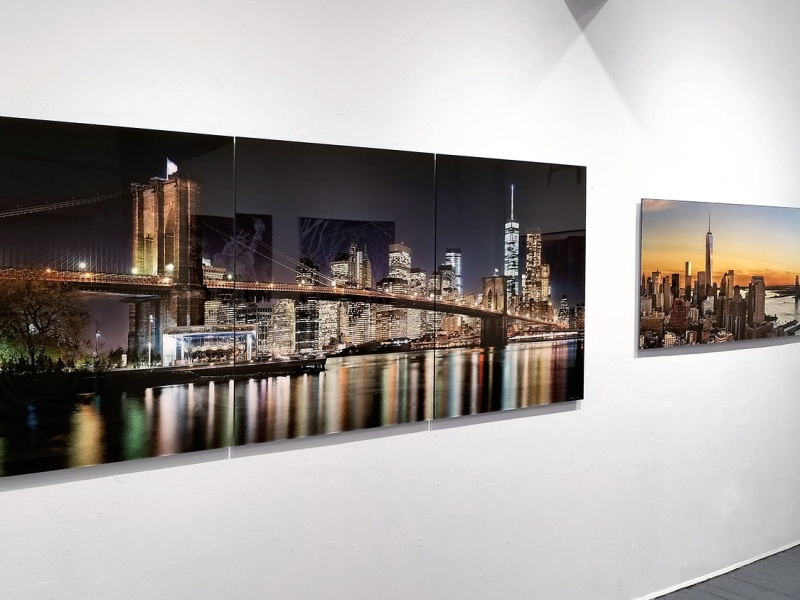
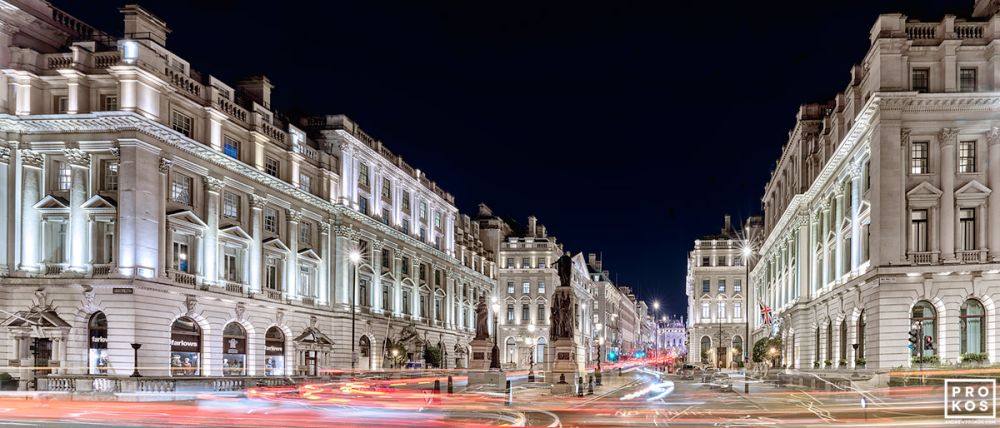
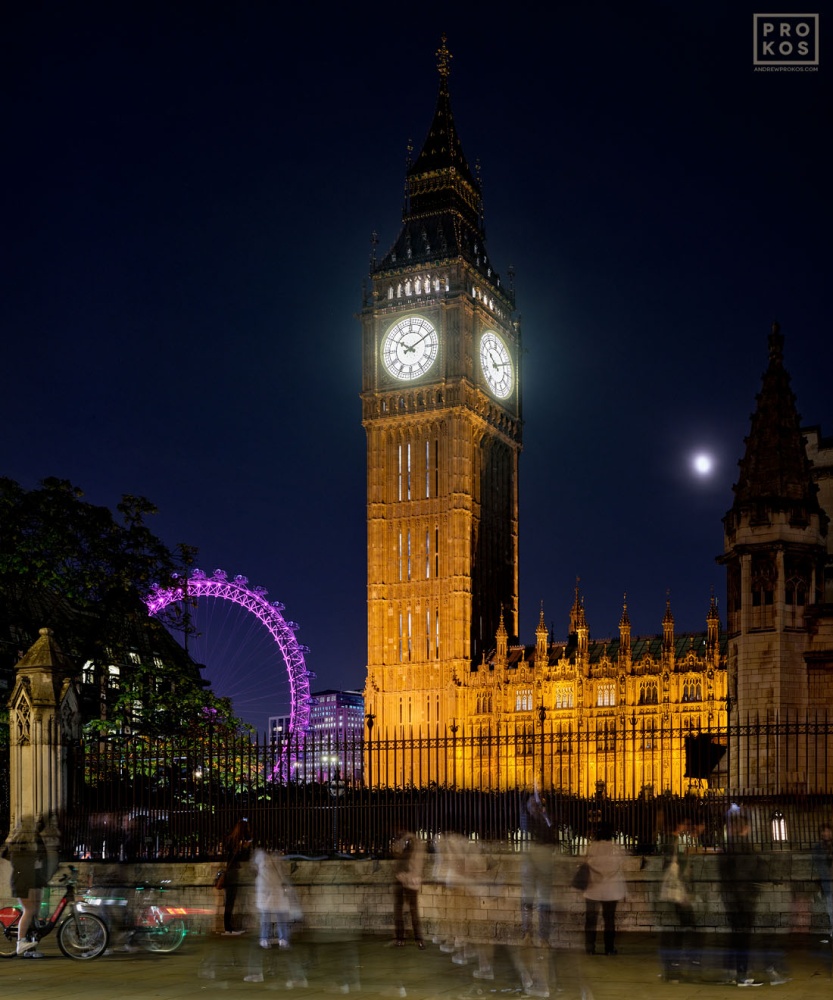
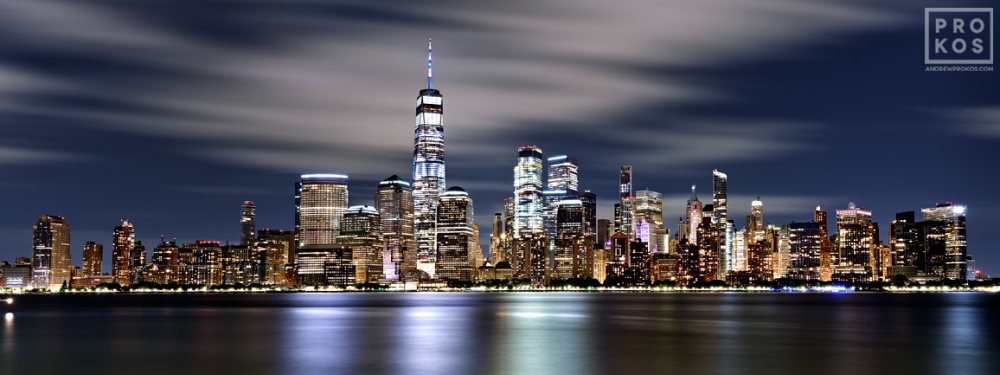
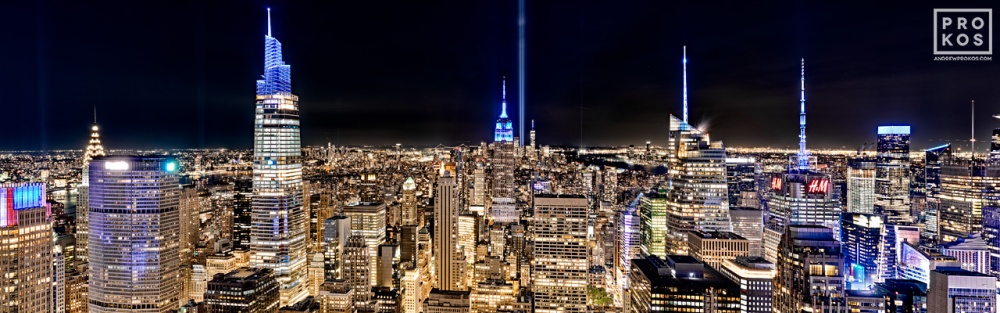
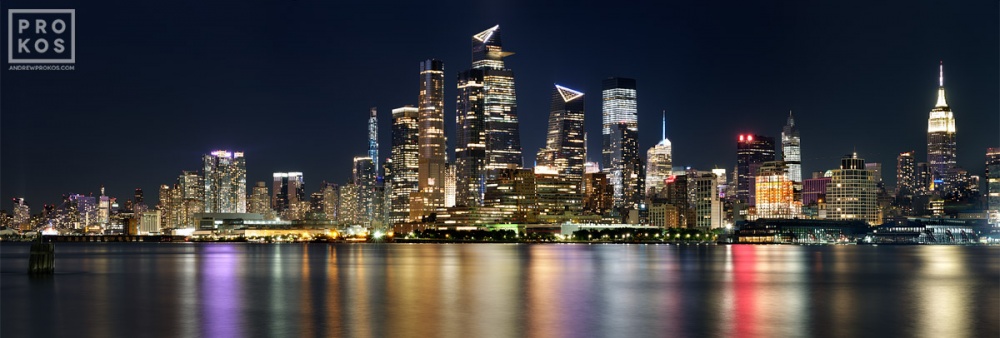
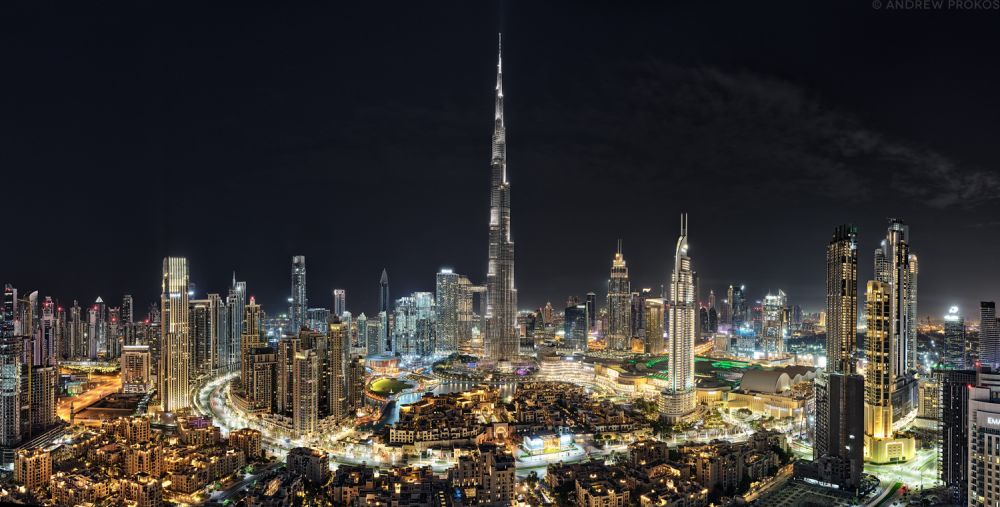
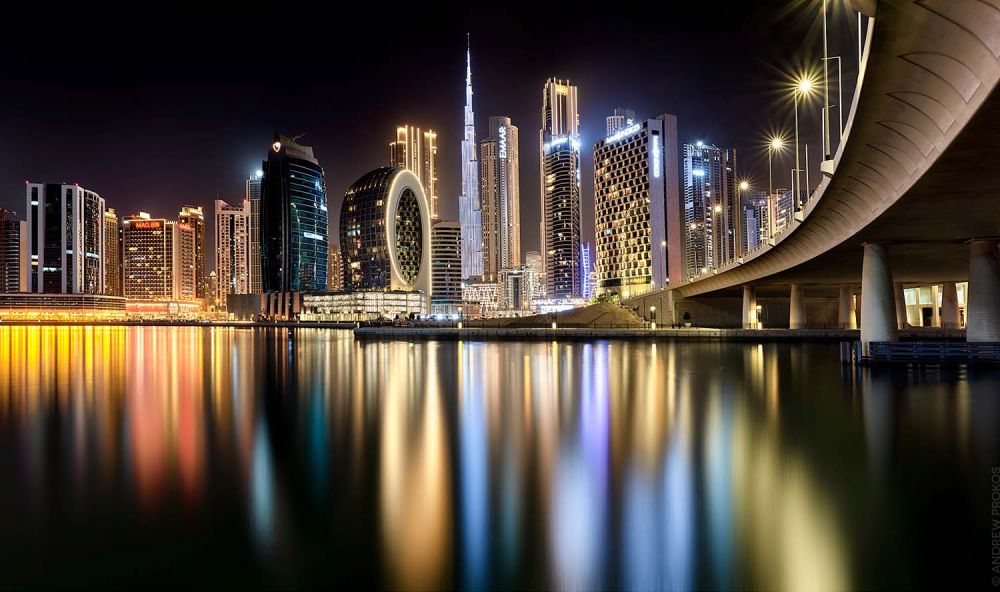
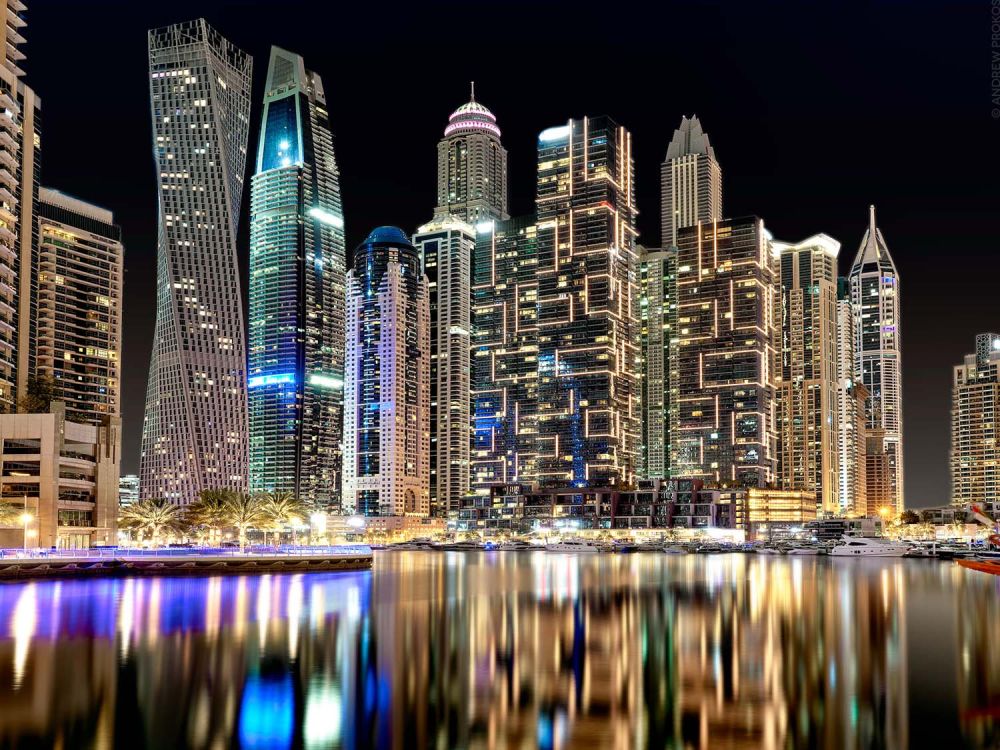
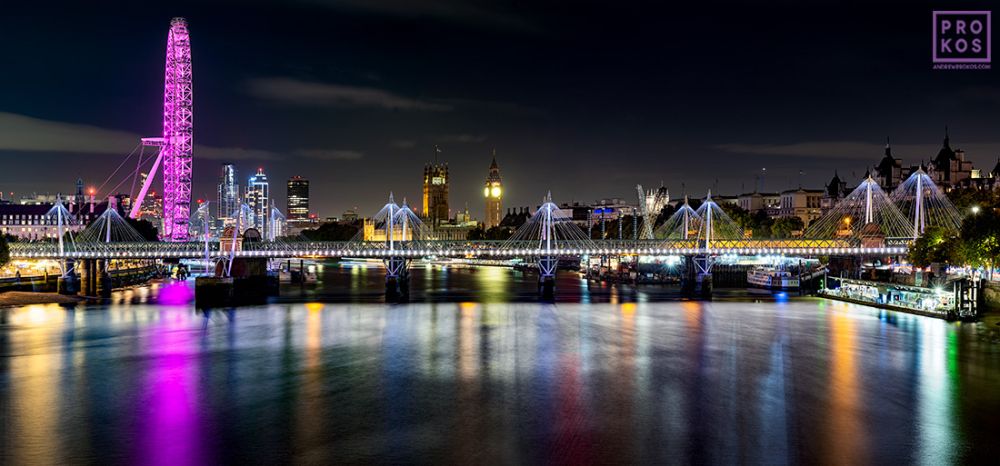
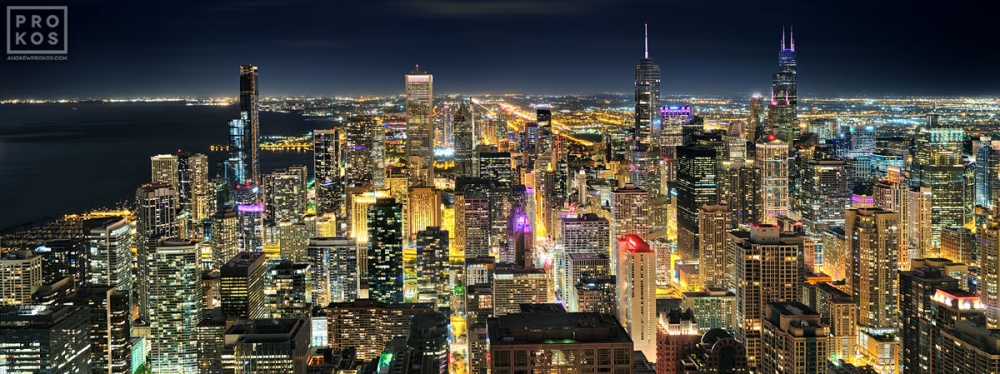
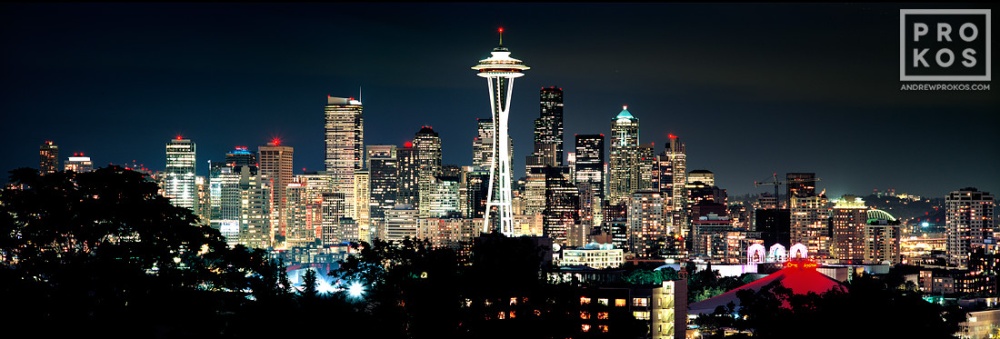
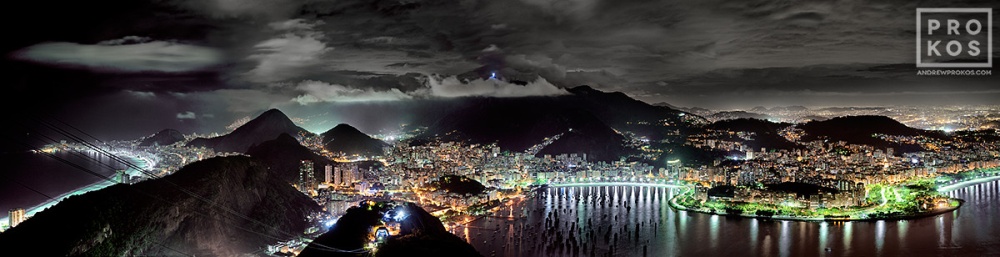
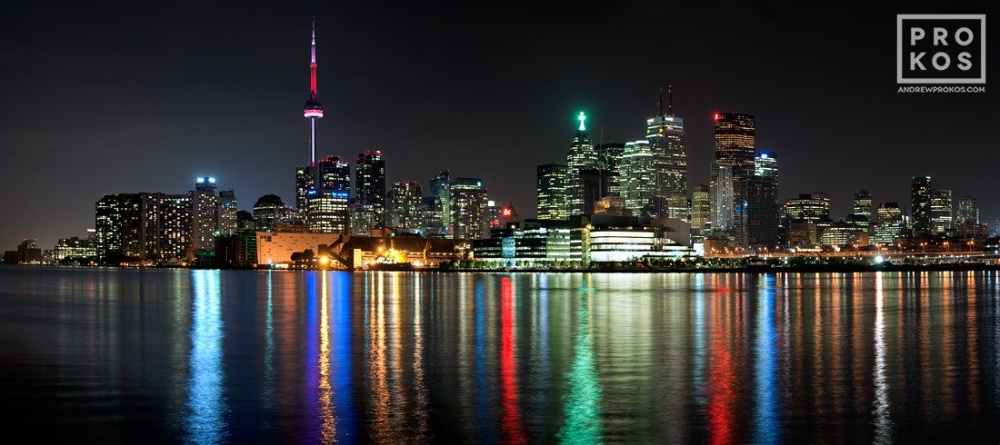
Last, but certainly not least, we have stunning examples of cityscapes and skylines from various cities around the world, including; New York City, London, Dubai, Rio de Janeiro, Toronto, Washington DC, Seattle, Chicago and others. These cityscapes are captured at extremely high resolutions and are often the product of merging numerous long-exposure night images into one large image. If you think that sounds laborious you;d be correct, it is…extremely. This type of work requires a certain mentality and fortitude on the part of the photographer…night photographers tend to like to work alone, and they don’t mind the hardship of bitter cold or the vulnerability of being left wide open with your expensive camera equipment in isolated places where nobody can help you if something happens. We are a tough breed.
Conceptual Night Photography
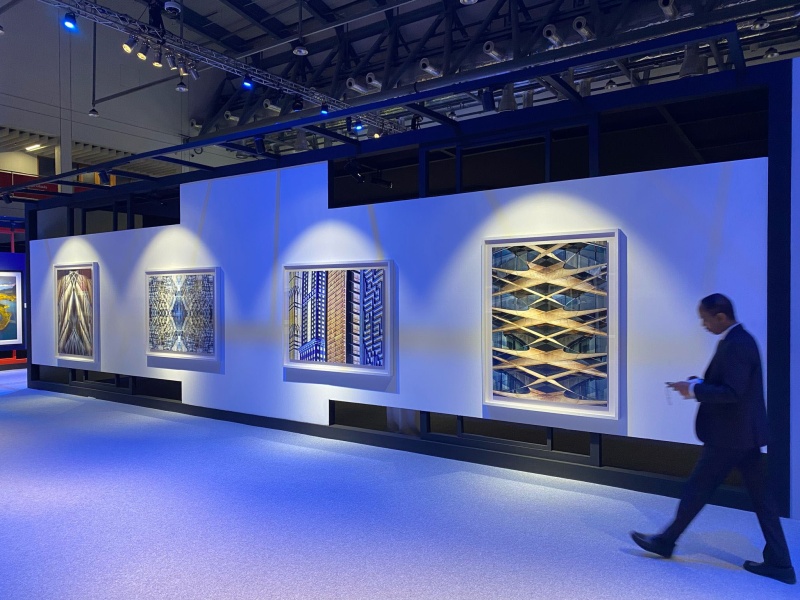
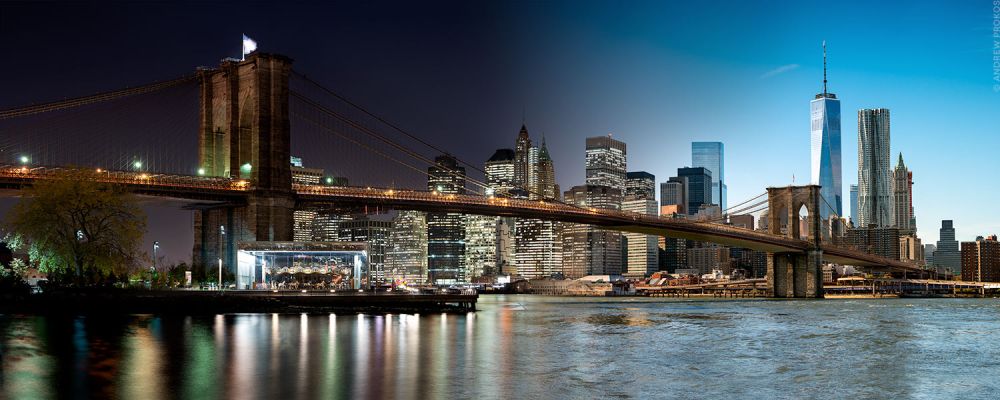
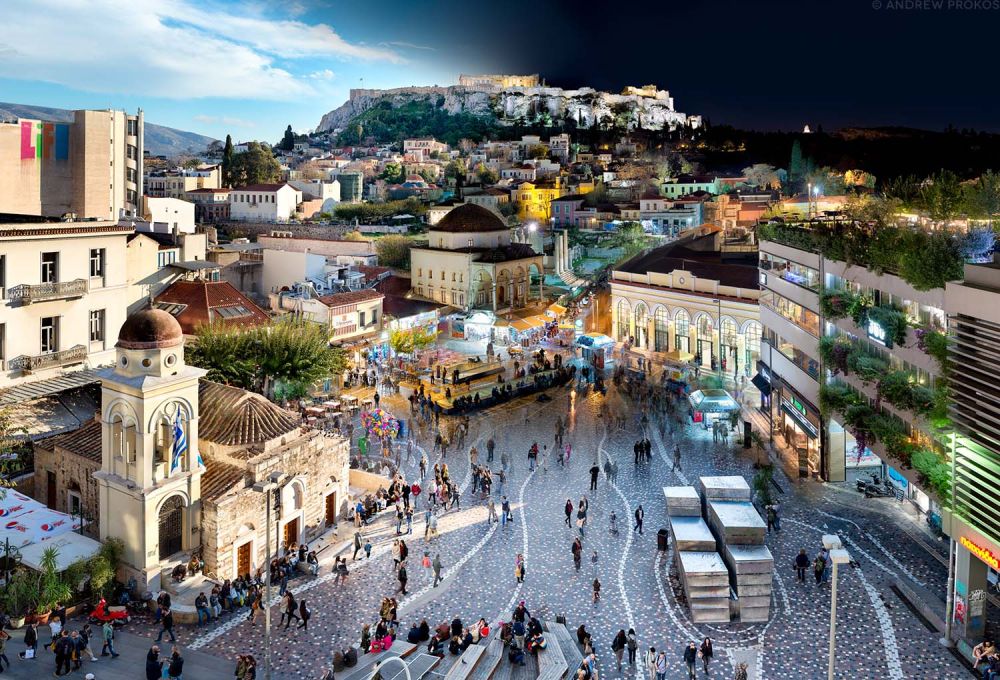
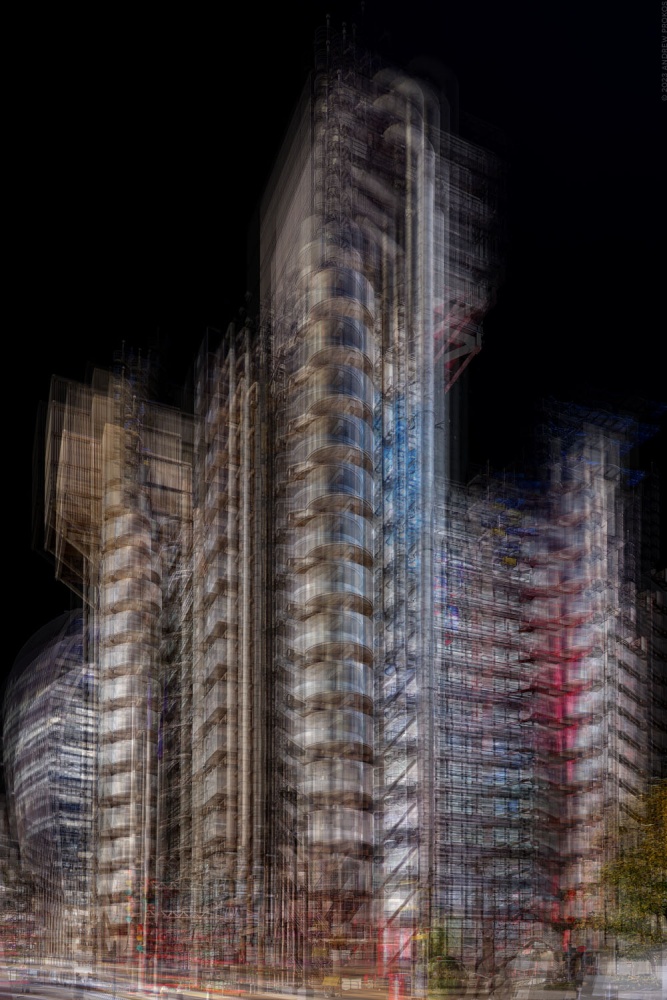
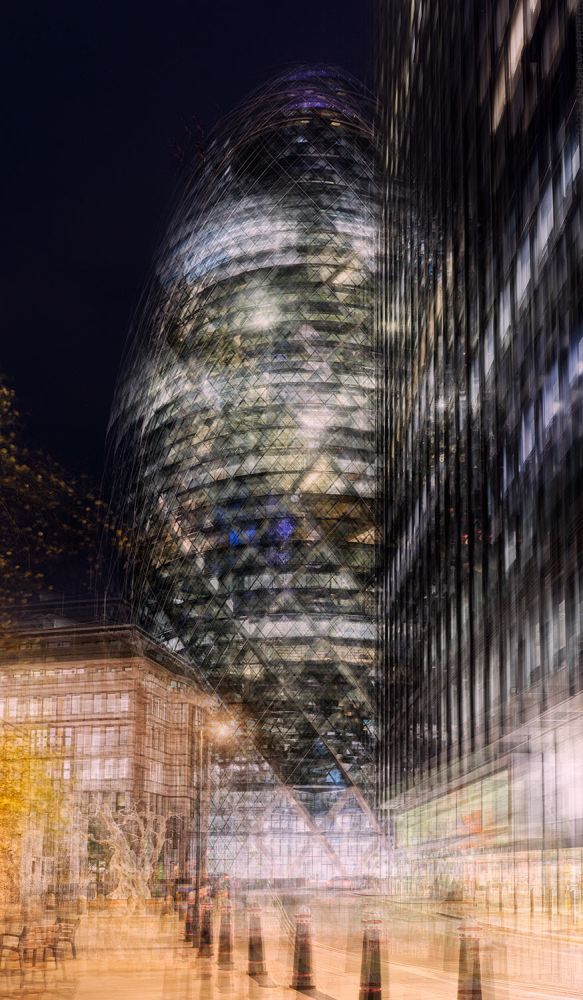
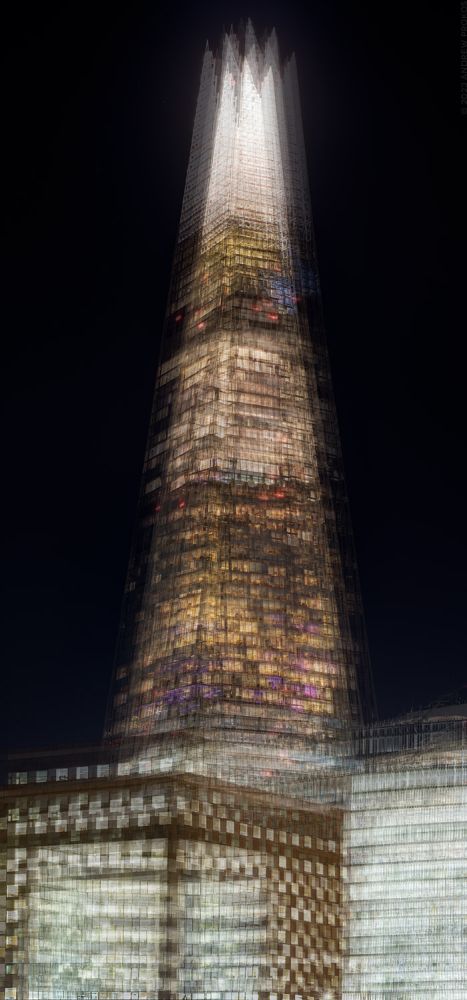
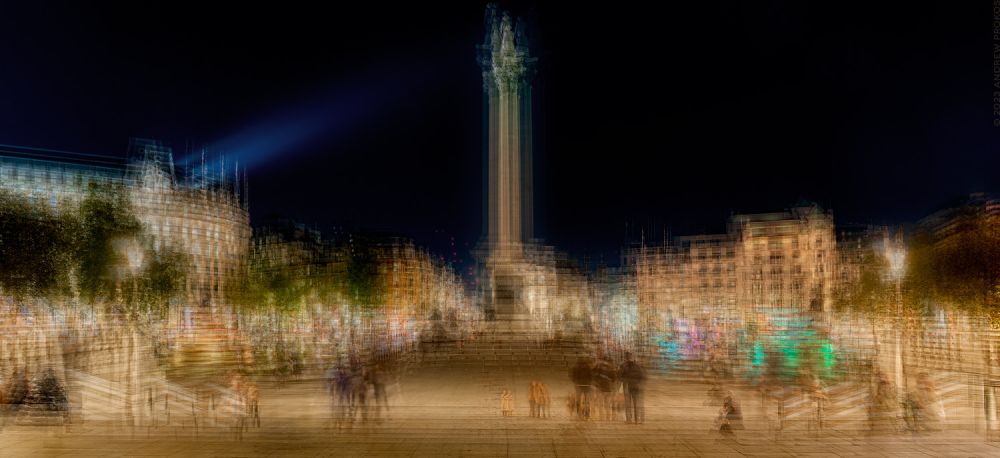
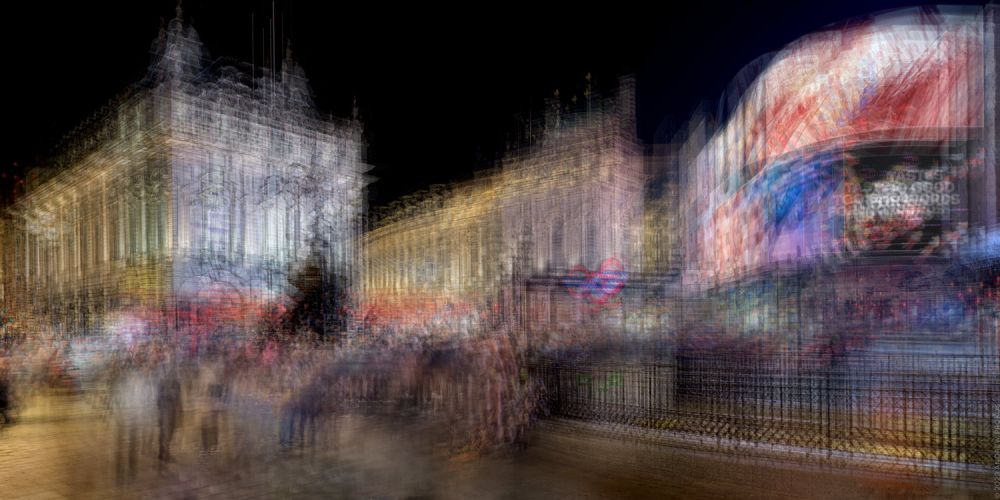
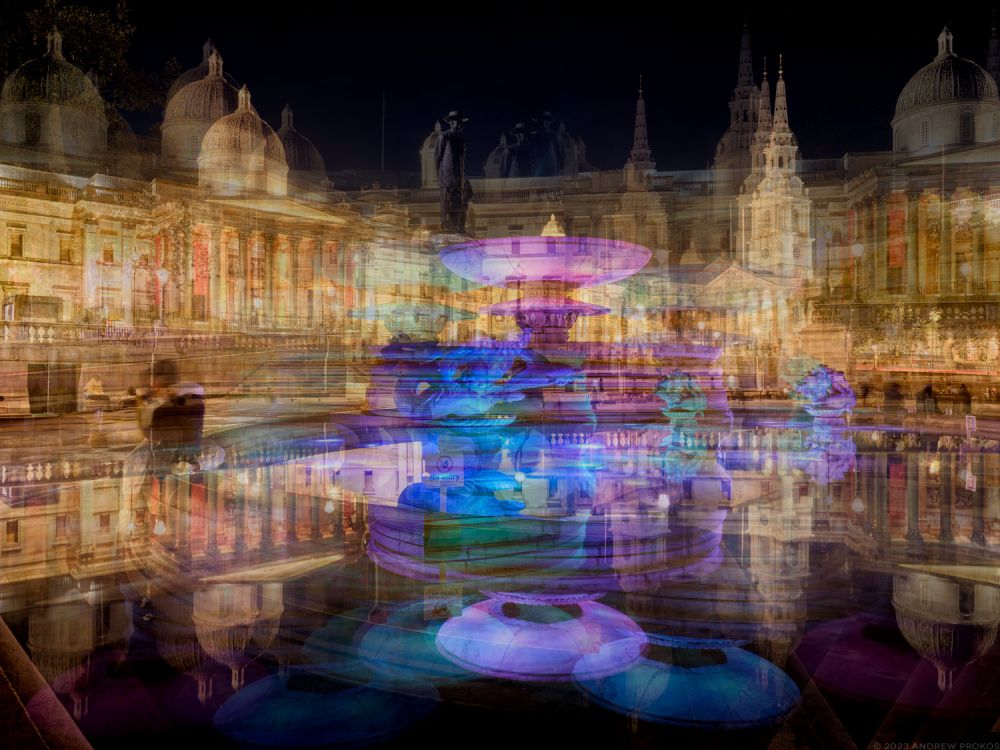
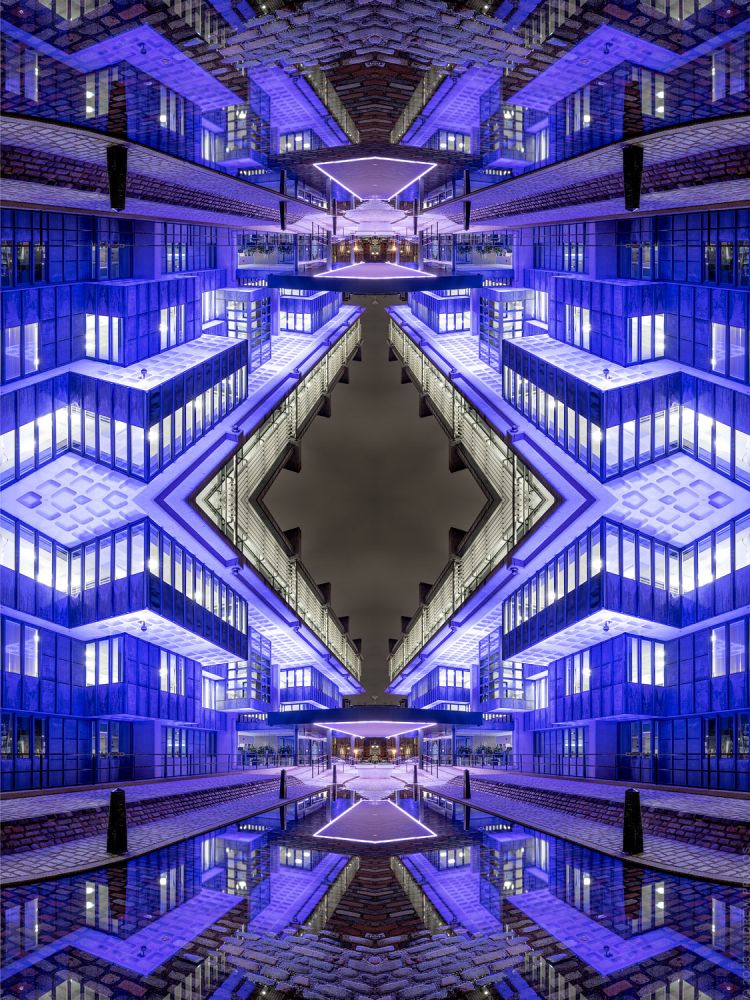
In this section I present night photography of a more conceptual nature. What does ‘conceptual’ mean in this context? The images are taken from series which have an overarching concept driving the creation of the images. In my series ‘Multiplicity‘ I capture multiple angles of the subject at night and merge the myriad 100 megapixel images into one scene. In the series ‘Archistracts‘ I mirror 100 megapixel scenes taken at night in ways which make them come to life and entirely different visual objects. In ‘Night and Day‘ I depict the transition of time by capturing the scene during a long span of the day and into night and merge the numerous images into one scene.
Night and Day is perhaps the most demanding of the series as it often requires capturing dozens of high-resolution images from the exact same spot during the course of a long period of time. The camera and tripod cannot be moved even a centimeter during that time. Often these conceptual series take a bit of time to truly understand what is happening in the image, they are not as direct and approachable as the other images of street scenes, architecture and cityscapes presented above. Conceptual work requires a rigorous and demanding workflow, but the resulting photographs are often well worth the time, skill, and patience required to complete the series over months or years.
A Note on Night Photography Technique
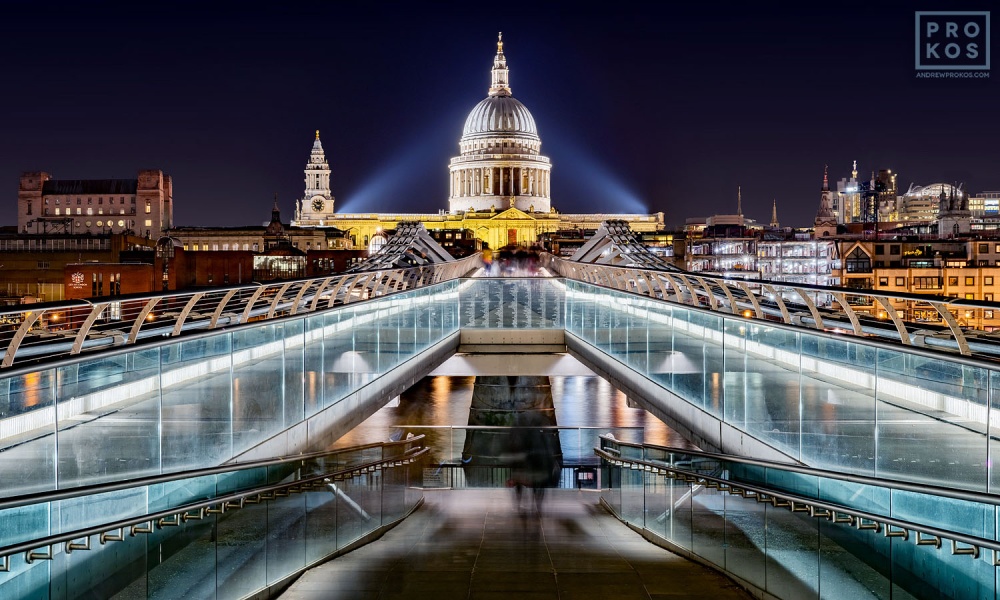
There is definitely some overlap between these genres…the night photo of the Millennium Bridge in London above is both architecture and cityscape…but wait there are people as well, is it a street scene? The edges of these broad categories will overlap from time to time. While I don’t intend for this article to be a how-to or a primer on night photography, I should point out that the older images were captured on medium format (6×4.5cm) or panoramic (6x17cm) chrome film at ISO 50 or 100. I rarely used negative film for color work, and certainly not at night. Negative film is better at capturing the extremes of contrast during the day, but at night chrome film really shines. It has less latitude in terms of exposure, but the film grain is minimal and the details are razor sharp.
Almost all of my night photography after 2016 or so is captured digitally. It was a big shift for me in terms of workflow. Rather than shooting one big chrome which captured the entire scene I had to switch to capturing multiple long-exposure images. Yes, you could see the results on the spot, but the amount of time dedicated to completing one entire image was now 9-10X what it used to be. On the other hand, there was not scanning and spotting images involved…what liberation that was! Ultimately I think the jump from film to digital made my work a bit easier and my images were better than what I had captured on film. But I still have to access my film photography archive all the time as customers are still purchasing the images I shot years ago on film and blissfully unaware of the difference.
Related videos
Related articles
-

Your Photography Questions Answered – Part Two
Photographer Andrew Prokos answers questions about photograp...
-
Your Photography Questions Answered – Part One
Photographer Andrew Prokos answers questions about creativit...
-
The Essential Elements of Gallery-Quality Fine Art Photography
Photographer Andrew Prokos discusses the process behind maki...
-
The Beauty of Acrylic-Mounted Gallery Prints
Photographer Andrew Prokos discusses the process behind maki...
-
Stories from My Time in Front of the Lens
Photographer Andrew Prokos reveals his never-told story of w...
-
So You Want to Work With Galleries? – Advice for Artists
Photographer Andrew Prokos discusses the benefits and pitfal...