Your Photography Questions Answered – Part One
Posted in Photography Articles
Text and Images by Andrew Prokos
Over the years I have had many students from around the world write to me to ask questions about my photography career and the photography industry in general. I had always intended to create a resource on my website for students to refer to, and here it is. Many of the questions students have asked me are touched upon in the various interviews I have given over the years, but this post will sum up the most common questions and the most important ones.
Due to the number of questions, I have broken the article into two parts. Part One deals with issues of Creativity and Inspiration and answers questions about specific fine art series. Part Two of the article deals with questions of a more technical nature and photography career related questions. If I have neglected to answer something you might think is important, please feel free to drop me a line and let me know. I may even update this post with the answer.
Below are interviews which I have given over the years which include responses that students may find helpful:
- Digital Photographer – Discuss my long-exposure work and my series Flux
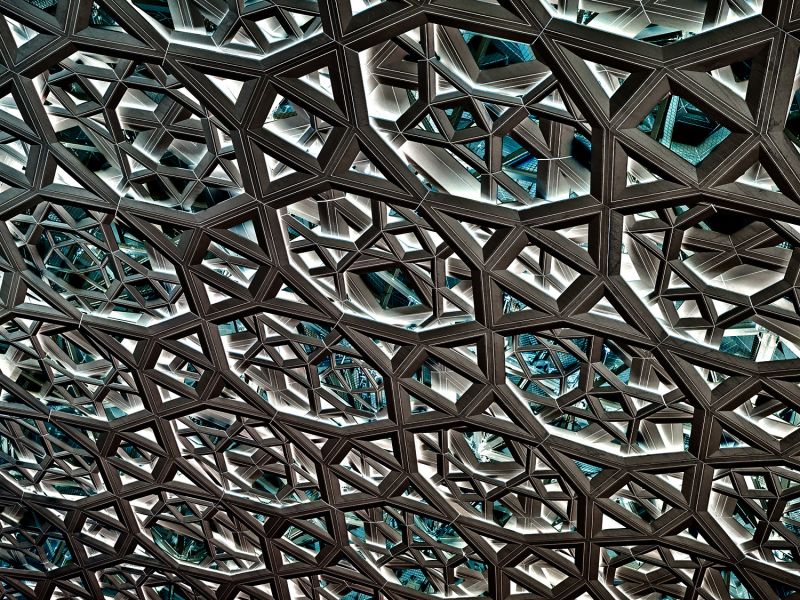
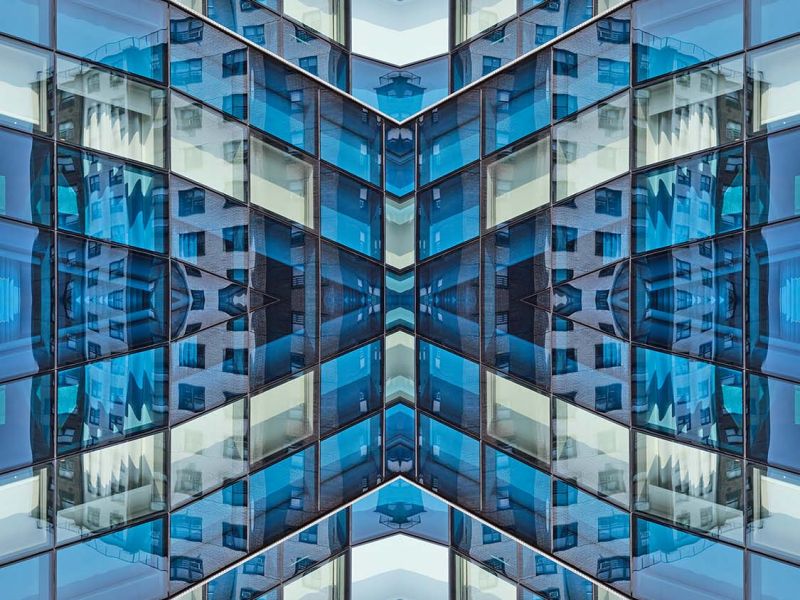
- Xposure Festival Video – A guided tour of my series Inverted and Metropolis Abstracted
- Medium Format Magazine – I discuss the series Metropolis Abstracted and my other work here
- Widewalls Art – I discuss the concepts behind my series Inverted and Metropolis Abstracted
- Archisearch Interview – architectural photography
- Arcspace Interview – architectural photography
Don’t forget to follow me on your favorite social media…I don’t do TikTok and I don’t use Twitter much anymore, but Instagram is here, Threads, Facebook, and YouTube.
Questions about Creativity, Vision, and Inspiration
I am studying A Level Photography and as part of my course I am completing a related study/dissertation on ‘Should photography be considered a fine art?’ I am studying your photography as part of my dissertation and would love to include your opinion / thoughts on this question and why you can state that your photography is fine art.
– Katie from the UK
Thanks for your questions Katie! This is a very involved topic, and one which has been the subject of much discourse since photographers first started pushing their work into Pictorialism and other fine art genres, and way from mere representational depiction and documentation. I am not an art historian nor am I a museum curator, so I can only comment on what my own beliefs are, which are based on my reading over the years.
Ultimately this question has been settled by decades of discourse and the gradual acceptance of photography as a form of fine art. That is due to the fact that so many photographers have pushed the medium to its limits in every direction, and I consider myself to be one of them. When I use my camera to capture images that ultimately end up being utilized as abstract works which have no relation to the original subject (and which make no attempt to represent the original subject) then I am in the role of artist and not simply photographic documentarian. That is one way of looking at it where my own work is concerned.
My motivation and concern is the presentation of a new visual language with my images. That that might sound a bit haughty but it also happens to be the truth. At a certain point I became much more motivated to create something new, and not just continue to capture scenes beautifully. I could have continued to do that for years and continued to sell them and make a lot of money. I didn’t need to push myself into new and risky territory as a photographer. I say ‘risky’ because any time you attempt to depict things in a new way you open yourself up to judgment and even contempt or ridicule. That is part of the territory as an artist.
An must follow their instincts and take chances in order to make new work. It’s a process of discovery. You first capture the work and perhaps you are not exactly certain what you have on your hands. You then start to “work” the images…to apply transformations based on your own perceptions, your previous experience as an artist, your own personal style, and your own interests. This is no different than a sculptor working a block of stone, or a painter working a canvas.
The difficulty that people seem to have in accepting photography as an equal art form as these others is that our hand is typically not physically on the actual work. Photographers first capture light with a mechanical process (and in the case of film, a chemical process too) based on the principles of optics. It can end there and we have a document of what is observed. That in itself is a worthwhile cause, but the photographer in this case is a technician not an artist. It’s not art yet as there is no effort to pass the image through the artist’s own filter of perception, imagination, and lived experience. Ultimately, if you are lucky, you hit upon a hint that something new and interesting is emerging.
So I have digressed quite a bit here. Getting back to your original question of why I consider my own photography as art. I consider that I am making artwork because I am creating the work along the lines of my own personal interpretation of the image, and utilizing my own visual style to portray them. As a photographer I have a particularly broad range which actually exemplifies my own journey as a photographer, and my own need to try new things and to evolve as an artist. My abstract and conceptual series are certainly the most ‘fine art’ of my work…more than the cityscapes and architectural images. It is fairly unusual for any artist to have such a broad range, and to have started out basically creating representational images but to have pushed into completely new visual territory.
What inspires your projects and travels?
– Addison from the USA and Ellis from Scotland
Where do you get artistic motivation?
– Addison from the USA
I have been asked this before and it’s not an easy question to answer. Motivation ebbs and flows. The more successful you become that definitely motivates you. Getting attention, winning awards, getting published all motivates you. But ultimately the only motivation that counts (and which is long-lasting) is the internal need and desire to create. Artists don’t just find motivation from external sources, they do what they do because nothing else satisfies them as much as creating their art and because it’s usually the only thing that they are really good at.
What is your thought process when starting a new project?
– Addison from the USA
I don’t overthink it…meaning I am generally not concerned with theory since I didn’t go to art school and it was never pounded into me as a student…although I have read plenty of texts that are required reading in art school. I usually become fascinated with an idea or a visual theme and start to flesh out the concept. I wish I could say that the marketability of the work is not a factor, but it is. I have had work that I lavished a lot of attention on that simply ended up taking my attention away from things that are in more demand. I definitely also see whether the concept has been done before, and whether I can possibly add a new perspective or not. If not, then I probably won’t pursue it as a series.
Photography Series
Where do your current ideas come to you from?
– Samantha from the UK
Any number of sources, but mostly from looking at art and photography, film, reading, friends, and from nature. Sometimes an idea emerges when I am already on location…a certain set of images may be thematically similar and very strong so I will keep working on it to make a complete series.
Do you have any criteria for accepting/rejecting ideas?
– Samantha from the UK
Good question! Not every idea is worth pursuing. I will assess whether the new series has been covered extensively by other artists in a similar way…if so it’s usually a hard pass. That is not to say that I wouldn’t shoot things like botanicals that many others have tackled in the past, but I would try to put my own stamp on it. I will also determine whether the new work will be a sinkhole of my time and effort. I have been there and I have learned that I don’t want my all my days and nights taken up with extreme levels of post and complicated shoots. Sometimes simplicity works just fine.
What part of projects do you find most challenging and why?
– Samantha from the UK
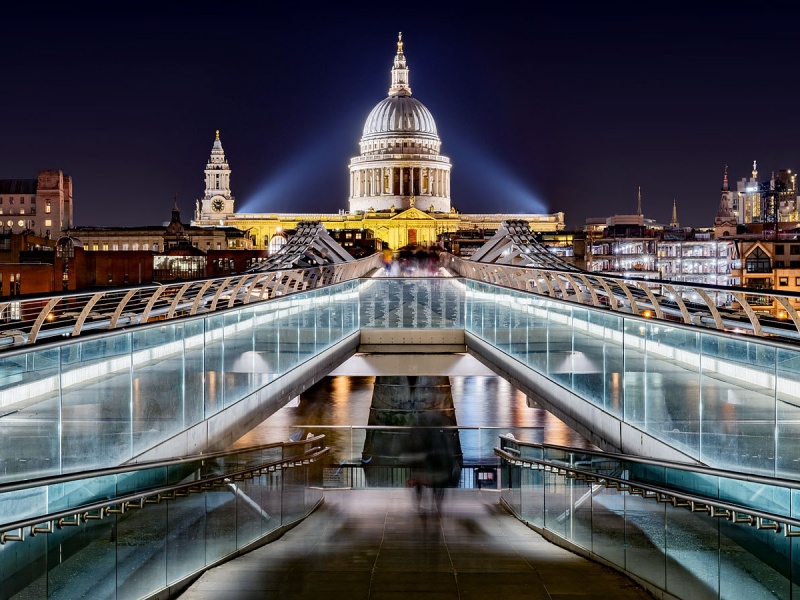
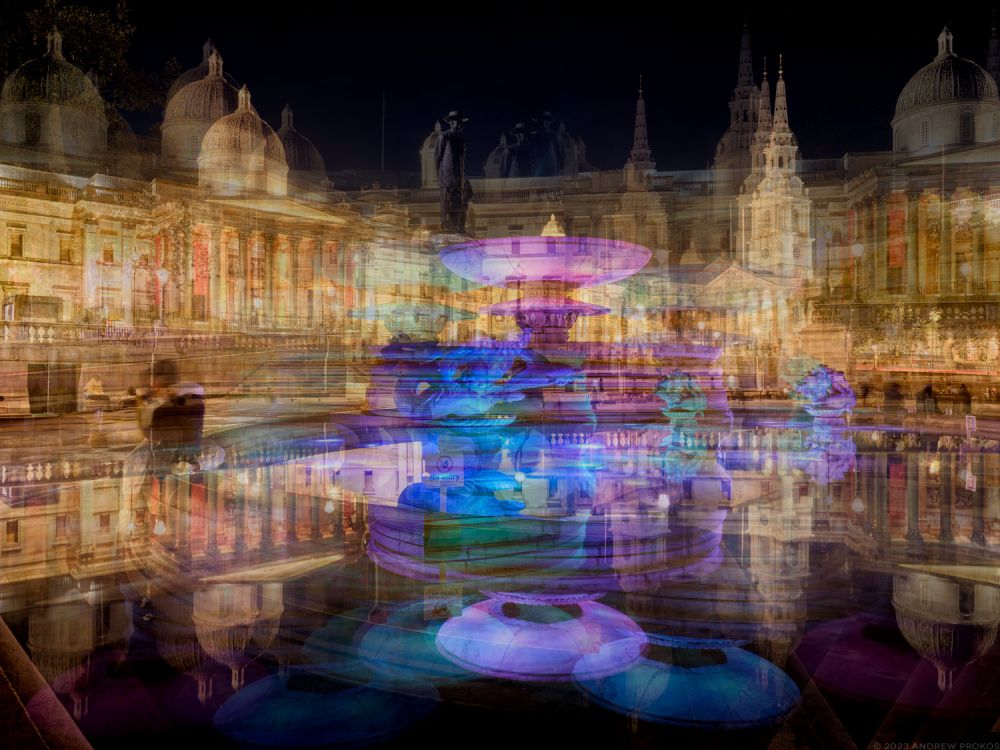
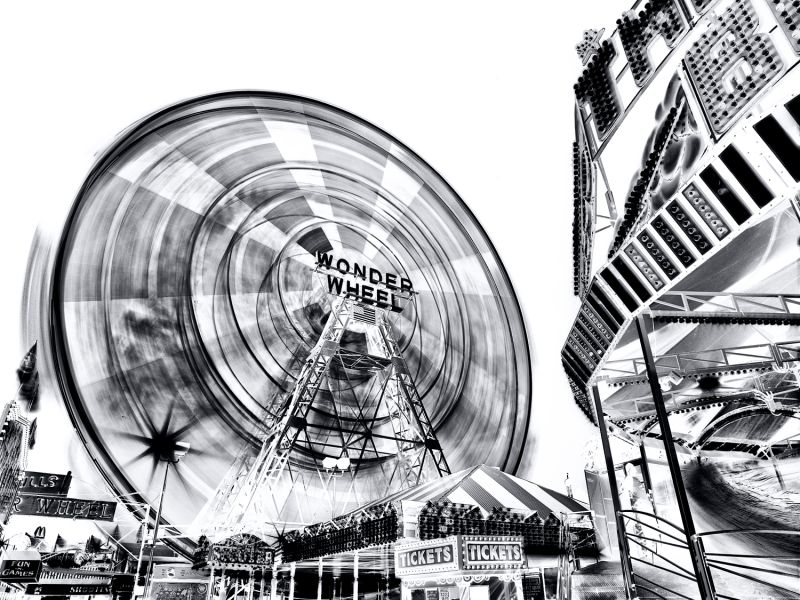
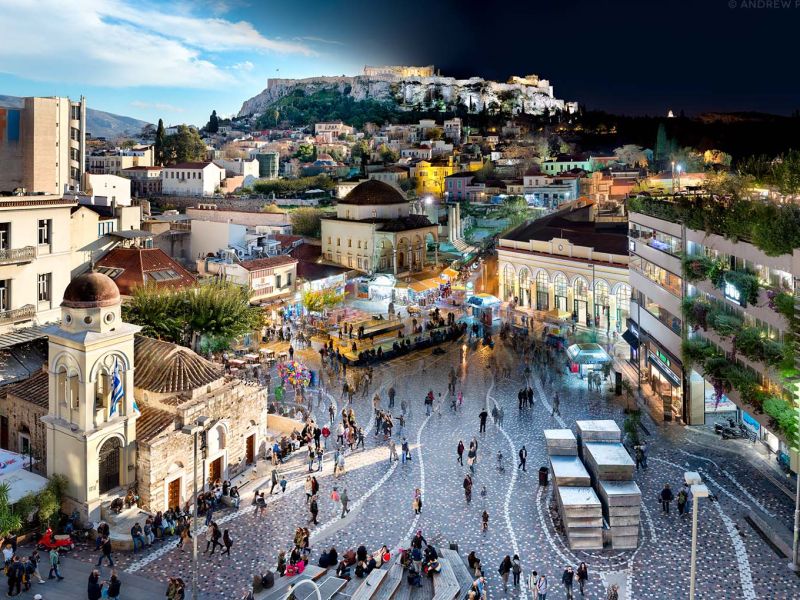
This depends on the project. Certain series like Night & Day are extremely challenging to execute and in post-production as well. You also need to stay in the same spot all day without moving the equipment…that is quite a challenge. With my long-exposure photography I often will sit for hours just to capture one final image…for example, this photo took me hours to shoot as I had to take repeated long exposure images to cover the entire scene. Other projects take a lot of time to gain access, so you have to deal with requesting access and often not getting any response, or pushing for a response as time is of the essence.
What part of projects do you find most rewarding and why?
– Samantha from the UK
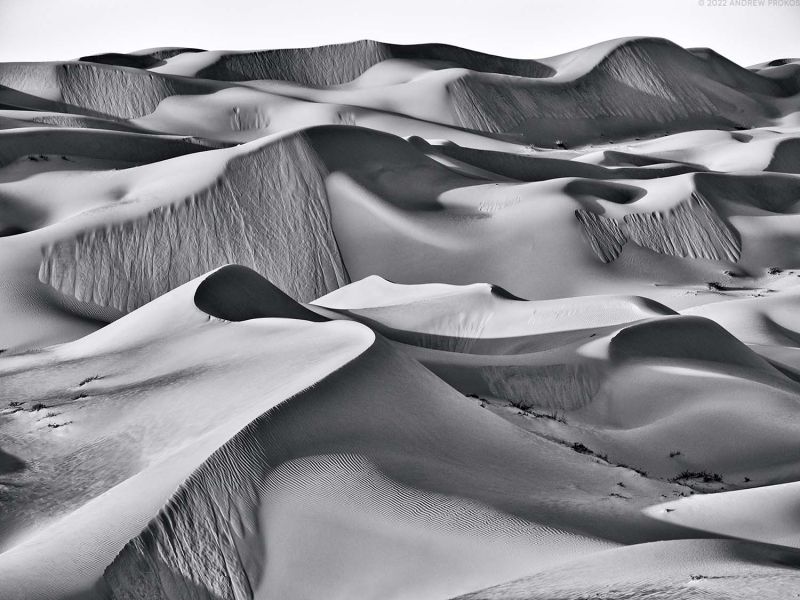
Again, it depends on the project. Some it’s the actual being there and spending time in the location, as in the series Dunescapes. It’s these moments that you look back on and realize how fortunate you have been and that the experience is something you will always remember fondly. With other series it’s less about capturing the work and more about the response it has gotten…that is more ego stroking, which shouldn’t be dismissed as artists need to have their egos stroked often enough to keep them encouraged to continue pursuing new work.
I just wondered if it would be possible to find out where you get your inspiration from and what make you capture what you do e.g. why do capture cityscapes etc.
– Hollie from the UK
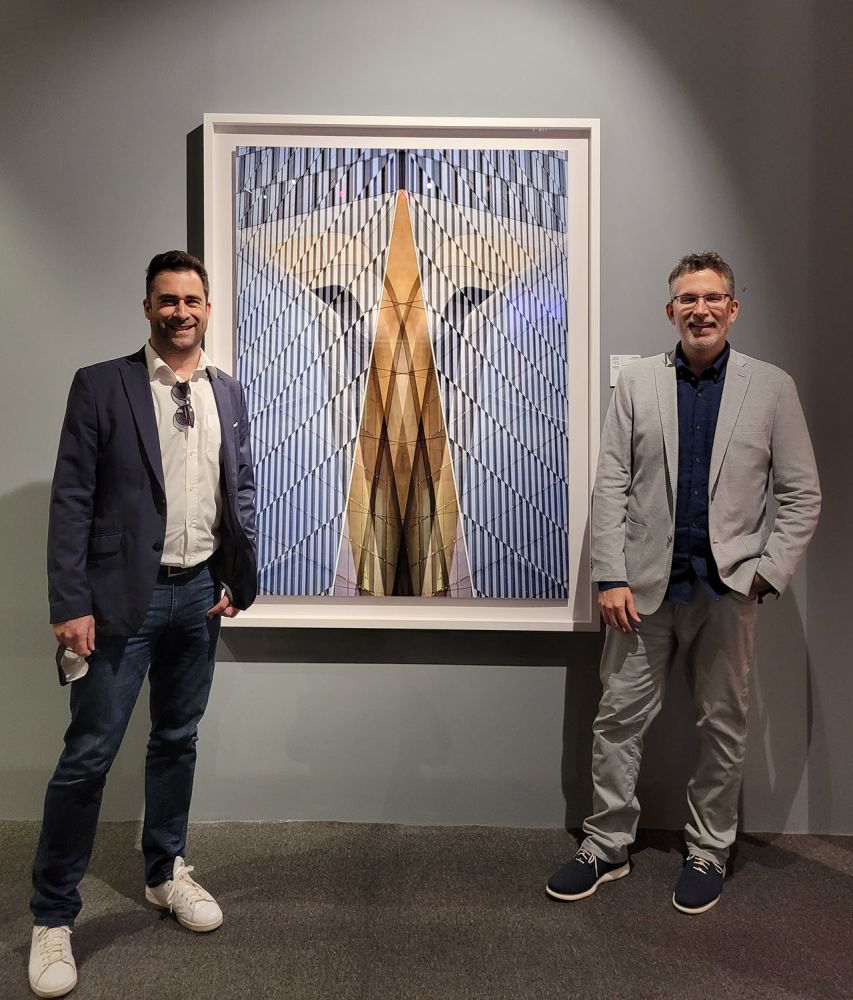
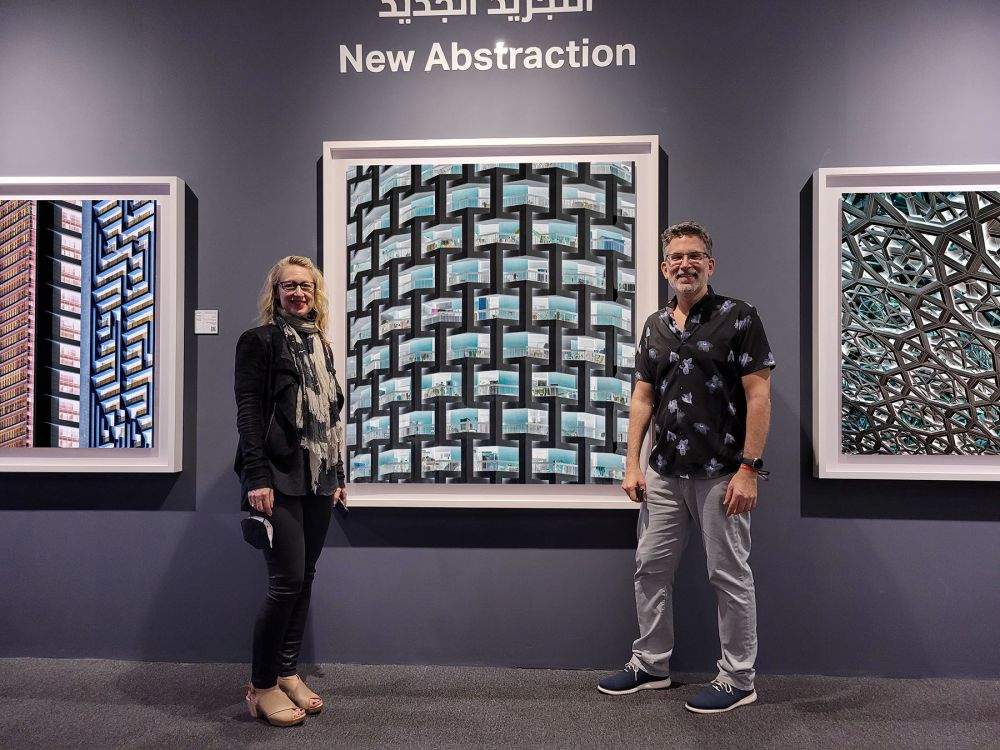
I have touched on this in quite a few interviews over the years, so by all means do check the links posted above as well. I started out capturing architecture and cityscapes out of necessity. I was a young amateur with very limited resources. I wasn’t from New York, and I grew up in a small town in Southwest Florida, so the big city was like a playground for me visually. I was attracted to the history, the architectural genres, the lore of the city, the complex interplay of cultures and styles that made up New York. At that age I wasn’t just shooting the city, I was experiencing it. New York was (and still is) a city of competing ethnic and cultural influences. I would shop in Hassidic Jewish areas of the lower east side and stop in their bakeries, I would buy my fruits, veggies and teas in Chinatown and eat Dim Sum with friends, same with buying curries and eating Indian food, Hispanic food, parades, and culture…it just never ended and the mix in New York was very stimulating to me. At the time I took a lot more street photography…as the years progressed my work became more focused on architecture and capturing the city, not so much people on the street…that’s because that is what sold and made me a living. Travel has also been a big inspiration, and I love to capture different cities as they each have their own character which develops over millennia (Europe) or by some futuristic master plan (Brasilia), or from a surge in wealth, investment and prestige (Dubai).
Who are some of your influencers that you look up to or what aspects of their work you like.
– Hollie from the UK
Good question. I would say that I don’t have influencers per se…don’t forget, I am now 52 and my career and mindset developed before social media even existed. That doesn’t mean that I don’t have photographers whose work I greatly admire. Sometimes I admire them for having mastered the same type of work I do, and other times it’s because they do something radically different than I do. Most of the time they don’t have huge social media following, and I tend to not really consider the number of followers to be an important factor looking at their work. So many excellent and devoted photographers and artists are very much nose to the grindstone and have a heavy-duty work ethic…a grueling, self-imposed and almost maniacal work ethic in many cases. They don’t often have time for posting, or find social media shallow and just aren’t into it. I am somewhere in the middle…I don’t find social media all that useful in reality, but I can’t afford to ignore it either. Some living artists/photographers whose work I admire are (in no particular order):
- Cindy Sherman – What can I say, her work is so clever, subversive, playful and thought provoking
- Massimo Listri – one of the premier fine art architectural photographers of our time
- Andrew Moore – a modern master. I first discovered his work through his books on Cuba and Russia. He also documents the post-industrial wasteland that is Detroit. Each photo a work of art in addition to documenting a particular moment in time.
- Matthew Pillsbury – I love his long-exposure work, which tends to be a bit more impromptu than mine
- Vik Muniz – he managed to make a political statement about poverty, consumption and waste into contemporary art…no small achievement!
- Luca Campigotto – excellent and well composed cityscapes and night scenes
- Richard Berenholtz and Jon Ortner – their books were my first inspiration to seriously start capturing the city back in the early 90’s.
- Debi Cornwall – I know Debi personally. Her documentary work is not easily grasped without first understanding the context. You have to work a bit to understand what is going on in these photos, but then when you finally understand what she has produced it’s an astonishing and powerful visual narrative dealing with the myths America perpetuates in order to justify our military and economic interventions
- James Nachtwey – the world’s most important war photographer. His poetic photos of the human toll of war are unfortgettable.
- Thomas Ruff – Ruff is one of the most innovative photographers of our time. His range of work is astonishingly broad and he tackles visual concepts in a completely innovative way each time. I don’t appreciate all of his series equally, but the ones I like I really like.
- Sebastiāo Salgado – A master of contemporary photography, both documentary and sweeping landscapes. He documents important themes such as environmental change and degradation and the scope of human labor, and he does it in such a poetic way.
These are just a few of the living photographers…if you add the no-longer-living (aka ‘dead’) photographers the list becomes quite long!
Do you have any photographic artists whose work you admire and were there any artists whose style you used before you developed your own?
– Tyler from the UK
What inspires you in your work?
– Tyler from the UK
Photography Series
Do you have a favourite type of shot you like to take?
– Tyler from the UK
What is the best photograph you have taken and why do you think it is your best? (- would it be possible for you to attach it to your reply)
– Tyler from the UK
Do you have a bucket list of images or destinations you would like to photograph?
– Tyler from the UK
My GCSE course is “Photography in Art” and the subject for my assignment this term is Cities vs Nature. Is there anything which comes to mind as to what you, personally, might photograph or an effect I could consider?
– Tyler from the UK
Sylvan Landscapes – Fine Art Photography Series
Questions about Specific Genres / Fine Art Series
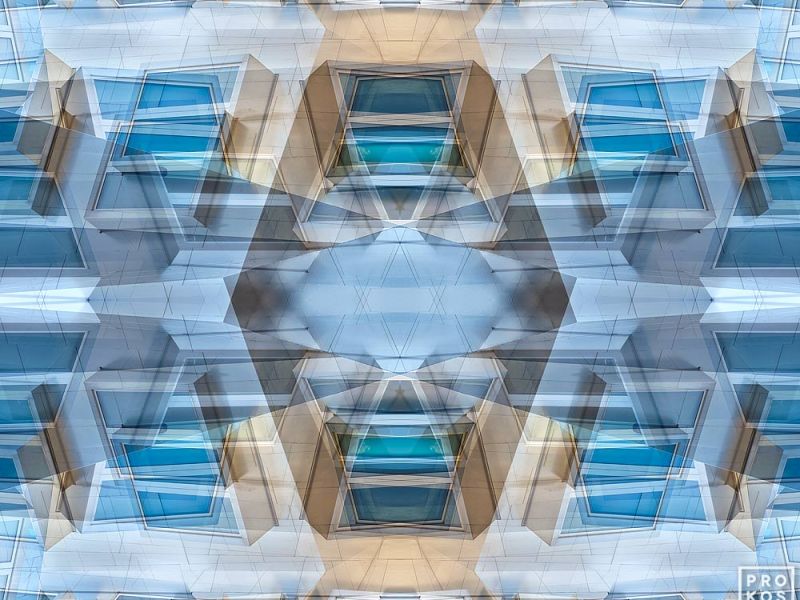
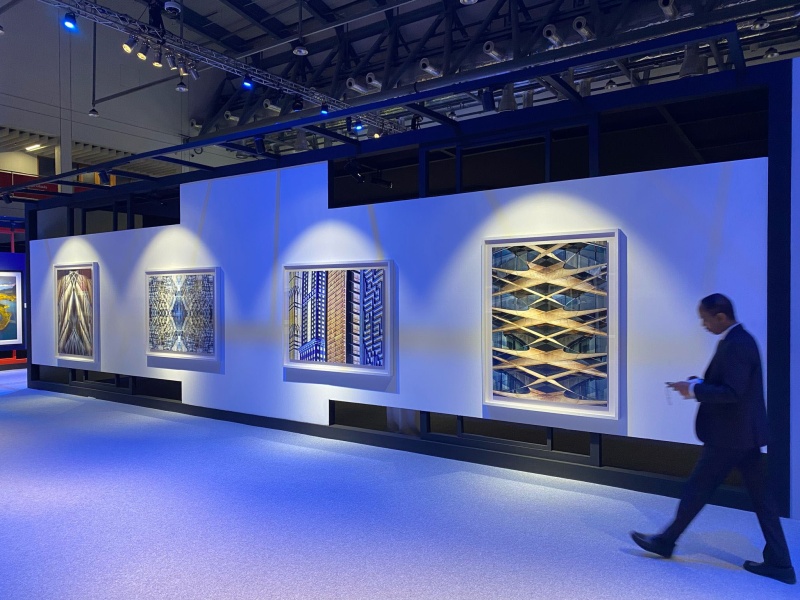
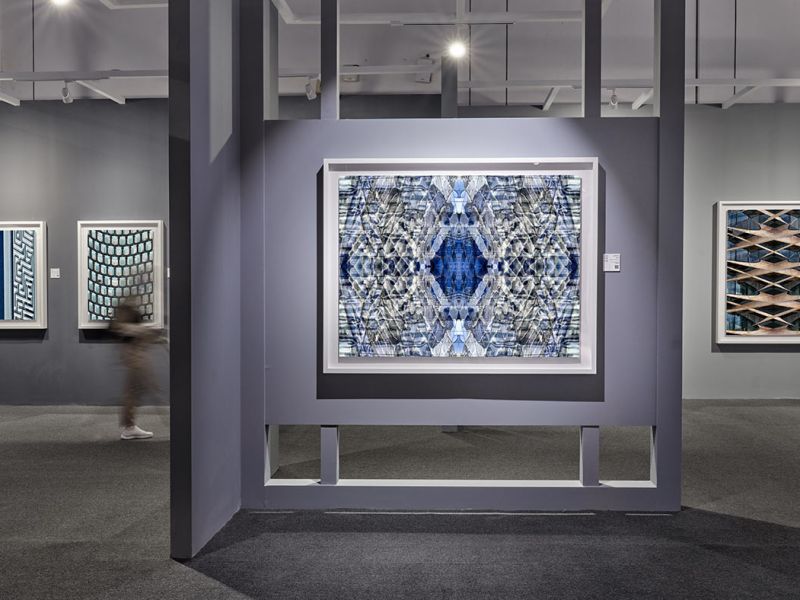
I’m currently working on a school assignment focused on the works of Andrew Prokos. I would greatly appreciate it if you could provide me with more information about his “Inverted” and “Metropolis Abstracted” series. Specifically, I’m interested in understanding the reasoning behind his decision to invert the images in the “Inverted” series, as well as the motivation behind mirroring the photographs in the “Metropolis Abstracted”. Additionally, I’m curious to know about the sources of inspiration that influenced these particular series.
– Morena from Belgium
Hello Morena, thanks for your questions. With regards to motivation behind the series I would point you to this article at Widewalls Art Magazine, which explains the motivation for both series and provides insight from the writer as well.
With regards to specific inspiration for these series…I honestly can’t point to any real precursors to these series. There have been plenty of photographers who have utilized negative imagery in their own way, including Man Ray, Vera Lutter and Nick Veasy. None of them worked with color negatives nor did they focus on any similar subject matter. So with Inverted I originated this aesthetic and it has come to be copied numerous times now by photographers who find my work on Instagram and on my website.
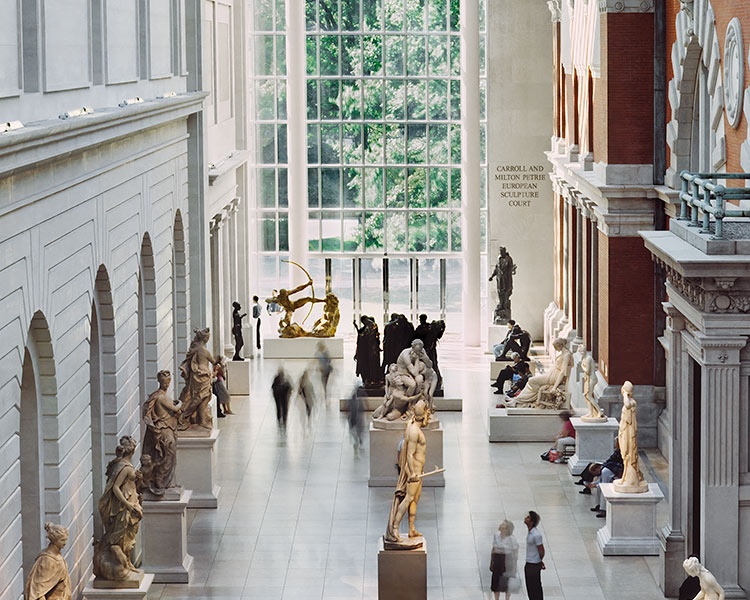
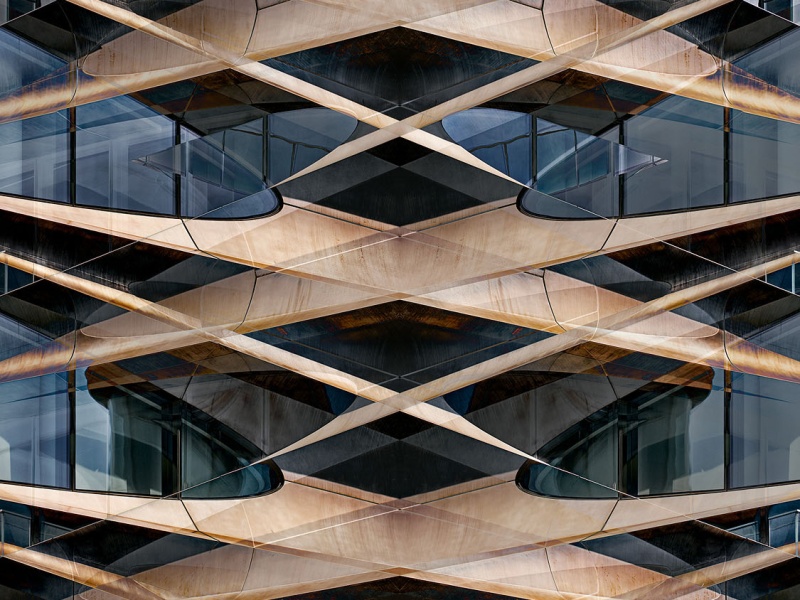
Similarly, with Metropolis Abstracted I haven’t found any precursors to this particular form of abstraction, and that is also why I point you to the Widewalls Magazine article as I thought that the writer really was very perceptive in her observations about these two series. Certainly many, many photographers have played with mirroring images, but not close up architectural details in this fashion and not quite so completely abstracted that the image breaks completely with the original subject. So again, I would say that I originated these works and really didn’t base them on anything I had seen prior to starting the series. I think the closest thing I can think of is Cubist and Futurist painting and sculpture…Umberto Boccioni, Braque, Picasso, Juan Gris, Fernand Leger, etc. The work of Boccioni in particular had a strong pull on me when I saw his retrospective at the Metropolitan Museum of Art in the 1990’s.
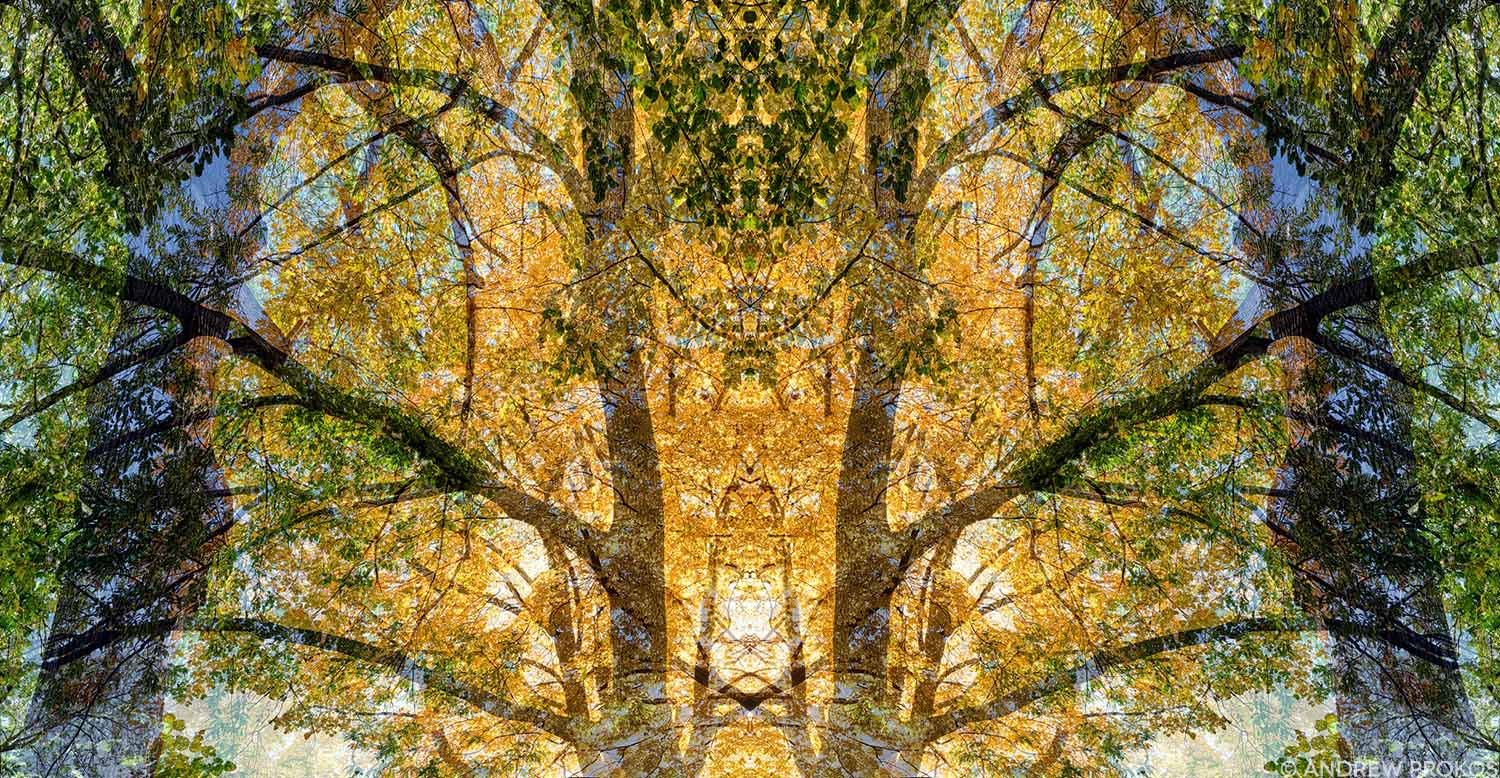
Hello! I am a student studying photography in college and I’m really fascinated by the Sylvan landscapes pieces and have been curious to know how these images have been created. I was wondering what camera has been used and the settings that were used on the camera and how they were edited to create the final pieces.
– Olivia from the UK
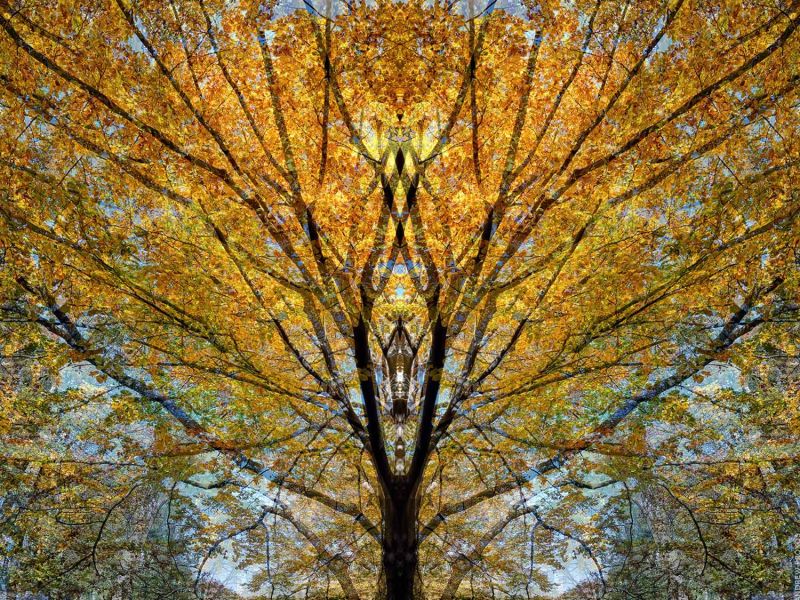
Hi Olivia, thanks for your questions regarding Sylvan Landscapes. This series deals with large deciduous trees and woodland landscapes. It functions similarly to Metropolis Abstracted but using images of tree canopies. I first scout out the locations and find trees which I think will work well for the series. Typically they have vivid foliage and a broad canopy, but they include many species of tree. I capture multiple images of the tree and stitch it together to form one very high-definition image. That image is in turn mirrored on itself. The result is a complex and rather mysterious final composition that conveys a mystical or almost spiritual energy. Organic shapes and figures materialize in the image that are not perceived in the ‘normal’ image. In that regard Sylvan Landscapes is very much like Metropolis Abstracted…they both depend on the element of surprise and the psychological projection of the viewer onto the image. These images are highly detailed, which is often hard to see in small online images. Every leaf, and even the pattern on the leaf becomes apparent at the large sizes these photos can be printed at.
With regards to camera settings…I don’t share all of my technical data as I like for my work to remain somewhat inspirational and part of that is maintaining a sense of mystery. I also think that my camera settings are not so important here…these images are not captured using long exposure times or with any complicated technique at all. They are are captured on tripod with normal settings for daylight capture. It really is more about the visualization and being able to see which landscapes will work, and experimenting once you get the images back in studio.
Why do you shoot architecture?
– Addison from the USA
Photography Series
My name is John and as part of my school photography project for my exams I was planning to use you and Berniece Abbott as my inspirational photographers. For this I am required to analyse two pieces of your work and discuss my chosen photographers background and how their life experiences have influenced their work. My plan for my project is black & white architecture focusing on the destruction of old traditional style buildings. I was wondering if you would kindly be able to give some information that would help me with my analysis.
– John from the UK
Hi John, thanks for your question and thanks for selecting my work as your inspiration. The first part of your question deals with life experience and how it influences an artist’s work. I think that is a very salient topic, and one that isn’t touched on often. I would say that my life experience defined my work and vice versa. I have discussed numerous times in my interviews how my early experience with the city pushed me to focus on the city, architecture and urban themes. This was a function of what was available to me, but also of my socioeconomic position at the time. To put it more clearly…I didn’t have the financial resources to open a studio and taken on fashion, product, or many types of advertising shoots. I also was not of the mindset that I wanted to carry a large infrastructure, involve lots of employees and equipment and complicate my life. I am still of the same mindset 20 years later. I like to keep it simple, and I have managed to make it work for me.
The other end of this analysis is then how work begins to shape your life once your photography becomes commercial successful and all-consuming. My work has basically defined my life and it has at times placed extreme limitations on me, and freed me from the constraints of office work and a conventional life. It has been a worthwhile tradeoff for me, but I have always been highly independent.
My plan for my project is black & white architecture focusing on the destruction of old traditional style buildings. I understand this to mean that you want to focus on and capture urban decay in black and white. While I have captured my share of derelict edifices in my day, It is not specific focus of my work beyond the fact that I am attracted to ancient and crumbling things. I would actually love to spend more time capturing this type of thing, but alas I am pulled in many different directions. I think that the genre is important in that it can highlight the loss of our urban fabric, the loss of context and meaning in our neighborhoods when old structures are pulled down to make room for new development. Beyond that I would say that black and white is uniquely suited to capturing old, decaying buildings and urban scenes as it reduces the focus down to texture and composition. If you do use black and white you’ll need to make sure that your compositions are striking and that you focus on texture, as you won’t be able to lean on color to add interest to the images. I have also seen examples of this kind of work in color though…one photographer that I might point you to is Andrew Moore, who has captured the post-industrial decay in Detroit over time. There are others that I have seen on Instagram but unfortunately I cannot remember their names!
I wanted to ask about the concept and message behind the photographs that Andrew took which were photos of Mosques and Churches.
– Husna from the UK
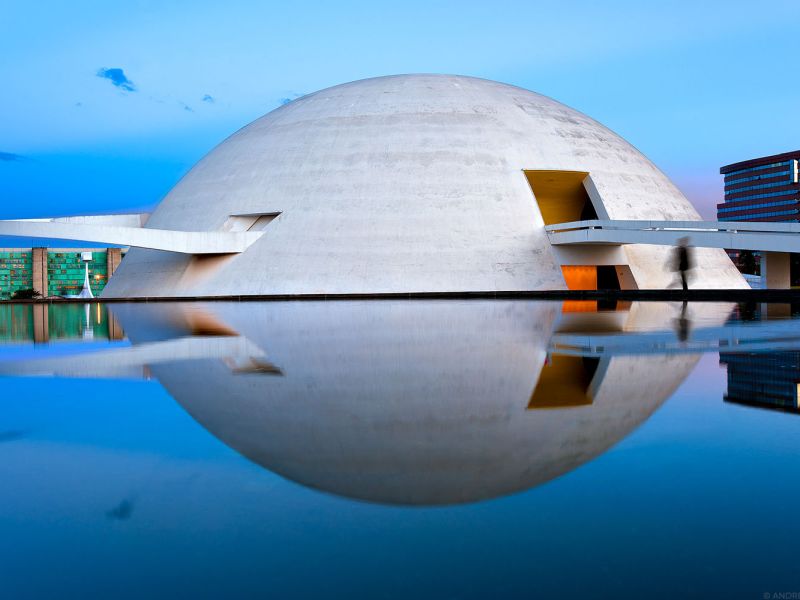
Hello Husna, thanks for your question. I have captured a lot of religious architecture / buildings over the course of my career. I am attracted to places of beauty and significance and often religious buildings have had a lot of resources employed to beautify them. I am interested in the forms of decoration and religious devotion different cultures and religions use to design and beautify their religious structures. The sense of space in these buildings is usually quite ample and I am attracted to monumental scale and soaring heights. The play of light is often very beautiful because the religious structures are often situated in a purposeful way…meaning aligned with the elements to allow for a certain kind of light and vista.
I have incorporated some religious architecture into my series, especially Inverted, which has examples from mosques in the UAE. I didn’t overthink the inclusion of these buildings too much in the series…they worked from a visual and conceptual standpoint so I included them. The process of inversion actually almost elevates the surreal and otherworldly aspect of these buildings even further and emphasizes their spiritual nature.
I am currently a second year PhD student and a huge fan of your work, and was wondering if I could use a small subset of your photos in my behavioral experiments? I am interested in how people respond to and behave in the face of different environmental contexts, and I find your high quality urban and nature photos to be precisely what I need for experimental stimuli. Would it be possible to have your permission to utilize your photos?
– Maria from France
Hi Maria,
Related articles
-

Architecture Photography – 100 Remarkable Examples from Around the World
100 remarkable examples of architecture photography from aro...
-

50 Stunning Examples of Cities at Night – Urban Night Photography
Fifty stunning examples of night photography captured in cit...
-
50 Awe-Inspiring Examples of Abstract Photography
50 awe-inspiring examples of abstract photography to fuel yo...
-
Your Photography Questions Answered – Part Two
Photographer Andrew Prokos answers questions about photograp...
-
Your Photography Questions Answered – Part One
Photographer Andrew Prokos answers questions about creativit...
-
Stories from My Time in Front of the Lens
Photographer Andrew Prokos reveals his never-told story of w...
-

Everything I Know about Art I Learned at the Met
Photographer Andrew Prokos discusses his formative years wor...
-
So You Want to Work With Galleries? – Advice for Artists
Photographer Andrew Prokos discusses the benefits and pitfal...
-
Abstract Photography as Contemporary Fine Art
Photographer Andrew Prokos discusses the role of abstraction...