The Essential Elements of Gallery-Quality Fine Art Photography
Posted in Photography Articles
Text and Images by Andrew Prokos
In my previous article outlining the production process and build quality of acrylic mounted photographs, I demonstrated the actual build of high quality artwork which is sold in galleries. In this article I delve into the essential elements which are characteristic of ‘gallery-quality’ artwork. I discuss both the physical properties and the aesthetic properties of photographs which are sold in high-end art galleries versus. many of the online platforms which are popular today, or retail venues along the lower end of the spectrum. The market is inundated with framed artwork for sale, most of it hovering in the budget realm. However not all artwork is created equally. There is generally a considerable amount of planning, effort, detail, and expense poured into the creation and manufacture (and yes, it’s a manufacturing process) of high-end artwork. Read on to see why…
Aesthetic elements of gallery-quality fine art defined
First, let’s take a look at some of the aesthetic qualities that are characteristic of artwork produced and sold through galleries. They include the following:
– The artwork provokes an emotional response in the viewer. This is the most important quality of higher end artworks, their ability to connect with the observer. That is the artist’s goal from the outset, and any artwork that fails to do that is simply lumped into the category of wall decor.
– The artwork is ‘concept-driven’ (also knows as ‘conceptual art‘). This doesn’t necessarily speak to the visual aspect of the artwork, but rather to the thought-provoking nature of the work itself as the viewer experiences it.
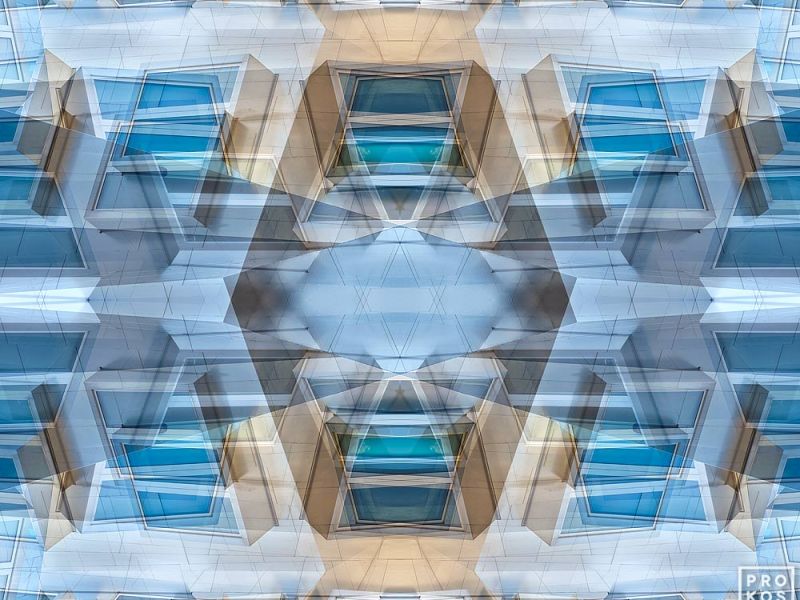
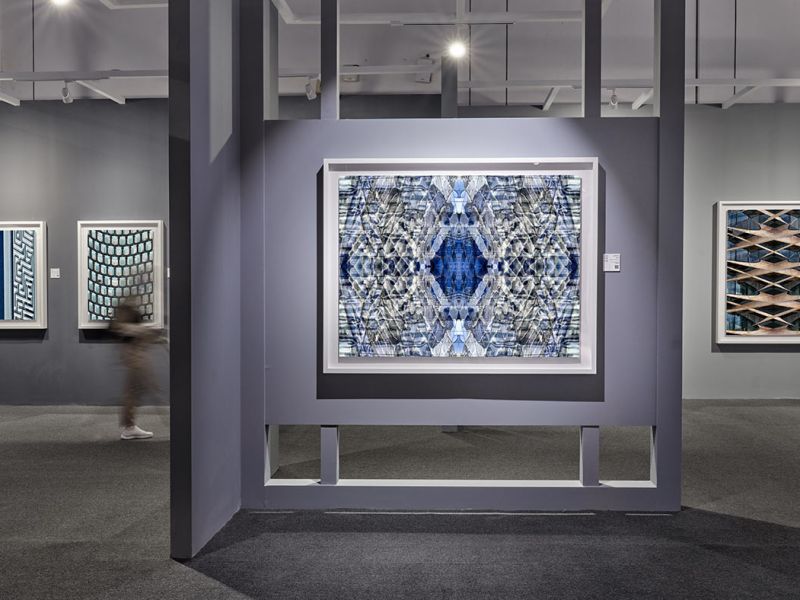
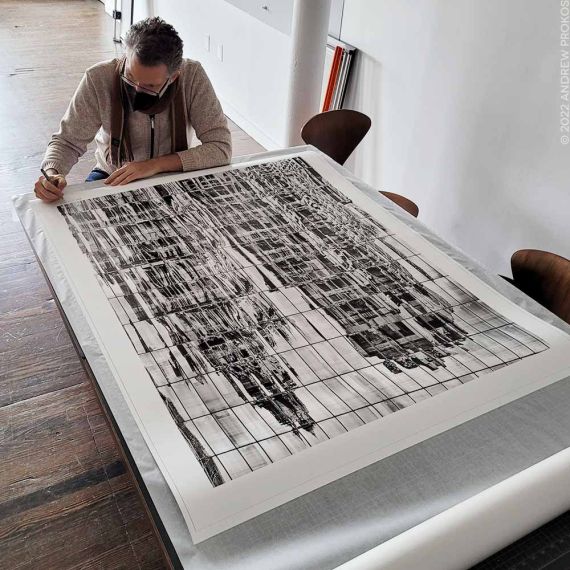
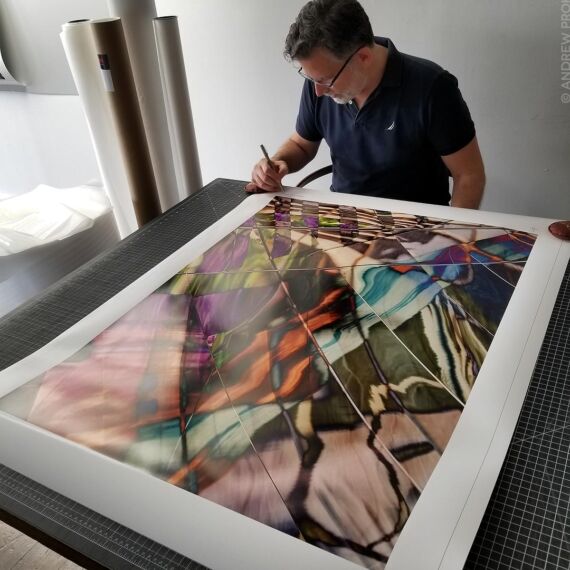
– The artist has clearly demonstrated a surpassing degree of creativity in both the concept and in the design. This is closely related to the point above, but it should be noted that not all creative artwork is necessarily conceptual in nature. Pure abstraction can be highly creative, but is not always rooted in an underlying concept. For example, the opening work on this page is pure abstraction, but it’s not part of any of my own series where the images are created through a specific process or which aims to illustrate a concept through the work.
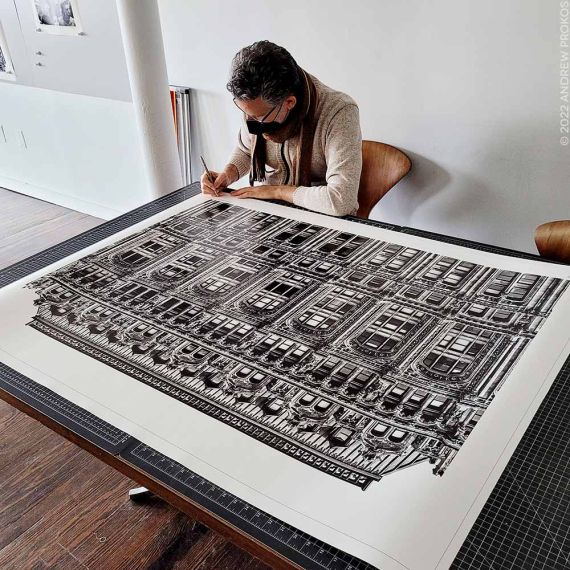
– A considerable amount of skill and labor are clearly involved in the creation of the artwork. This is evidenced by the unique nature of the subject matter, by the clarity and definition of the work even at very large sizes, by the choice of composition or tonality…this can include myriad forms of skill required by the artist to produce a work of art which stands apart.
– The materials used to produce the artwork (and the presentation of the artwork, i.e the framing) are costly and require skill to manufacture.
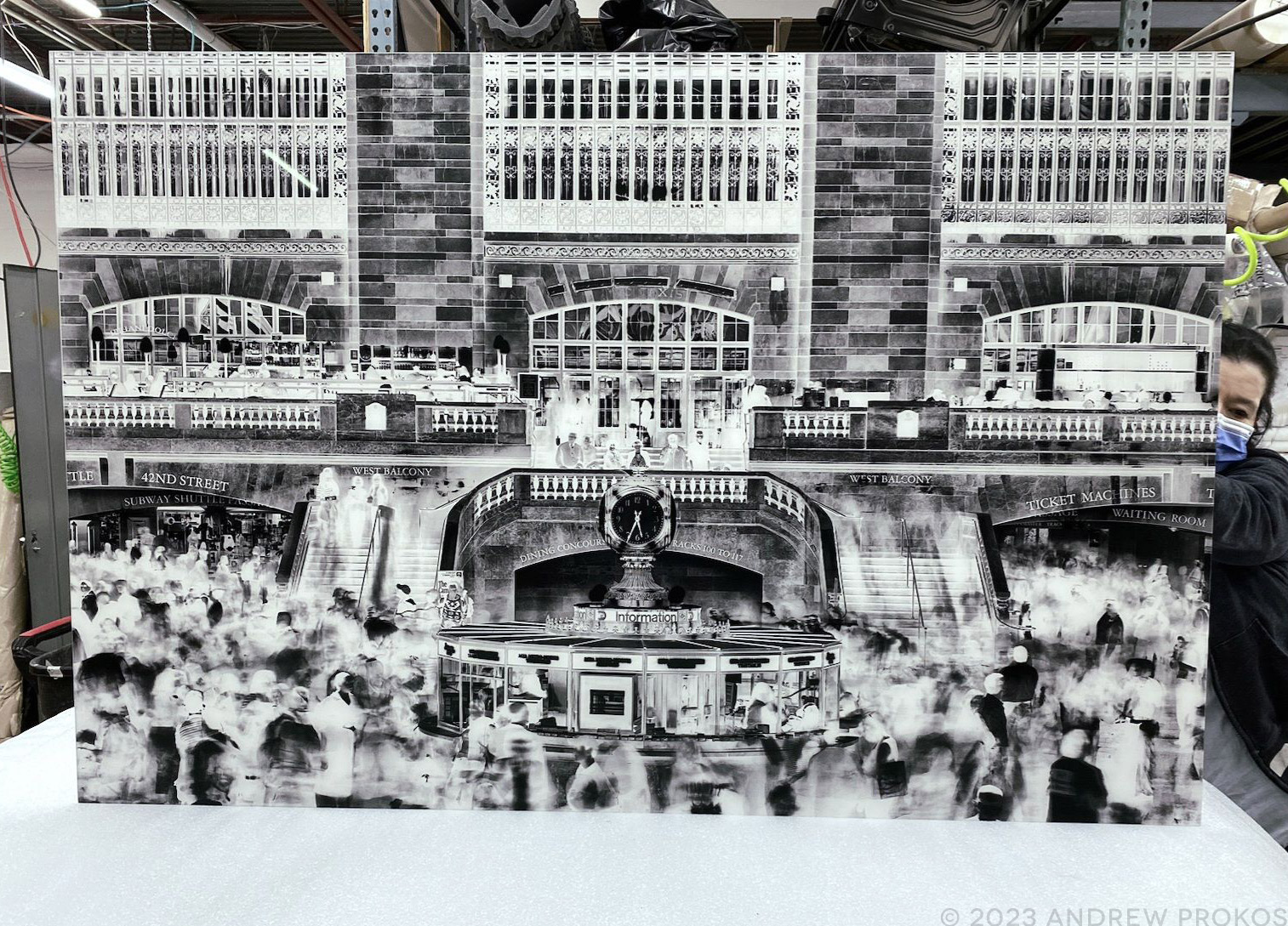
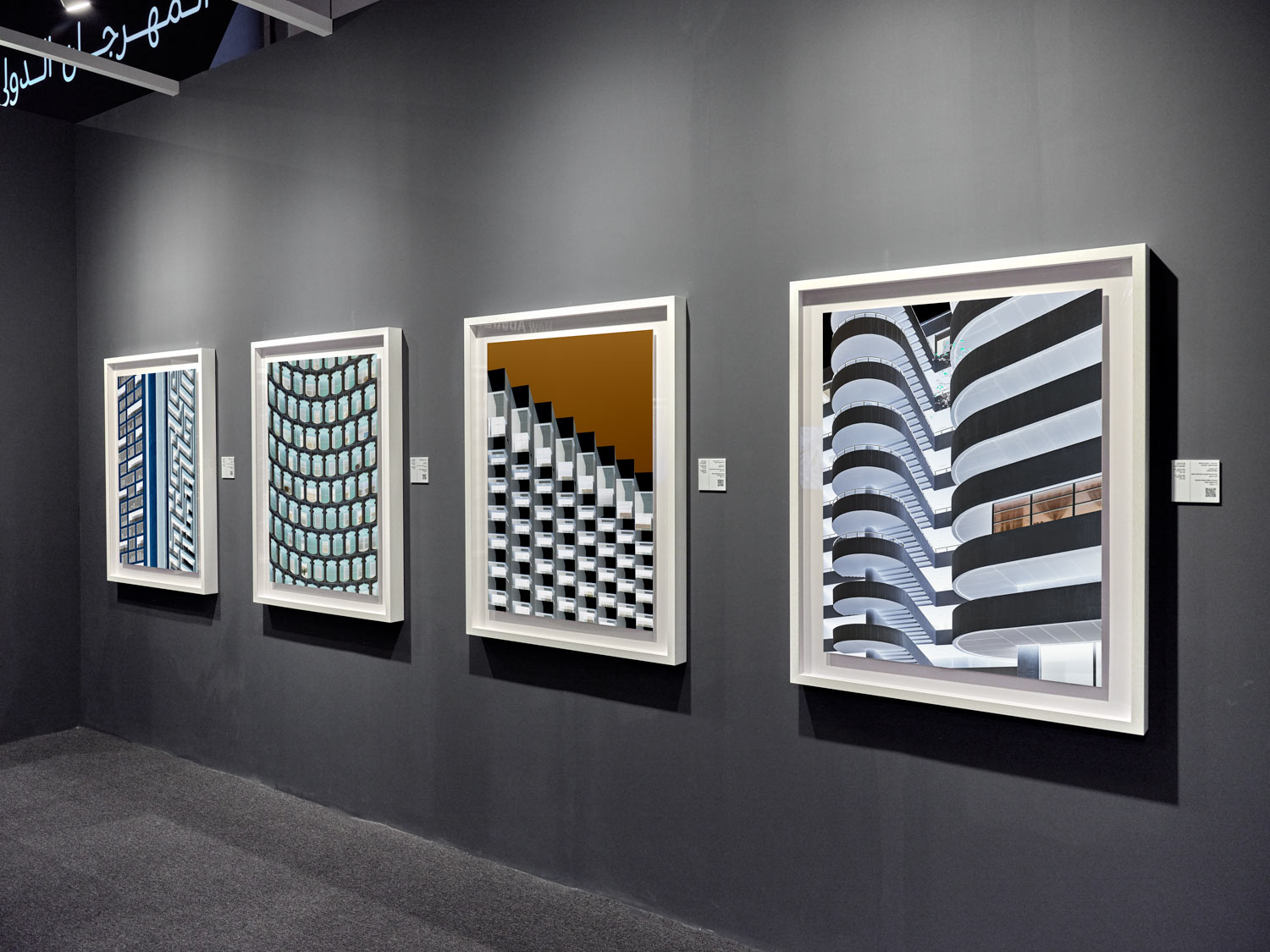
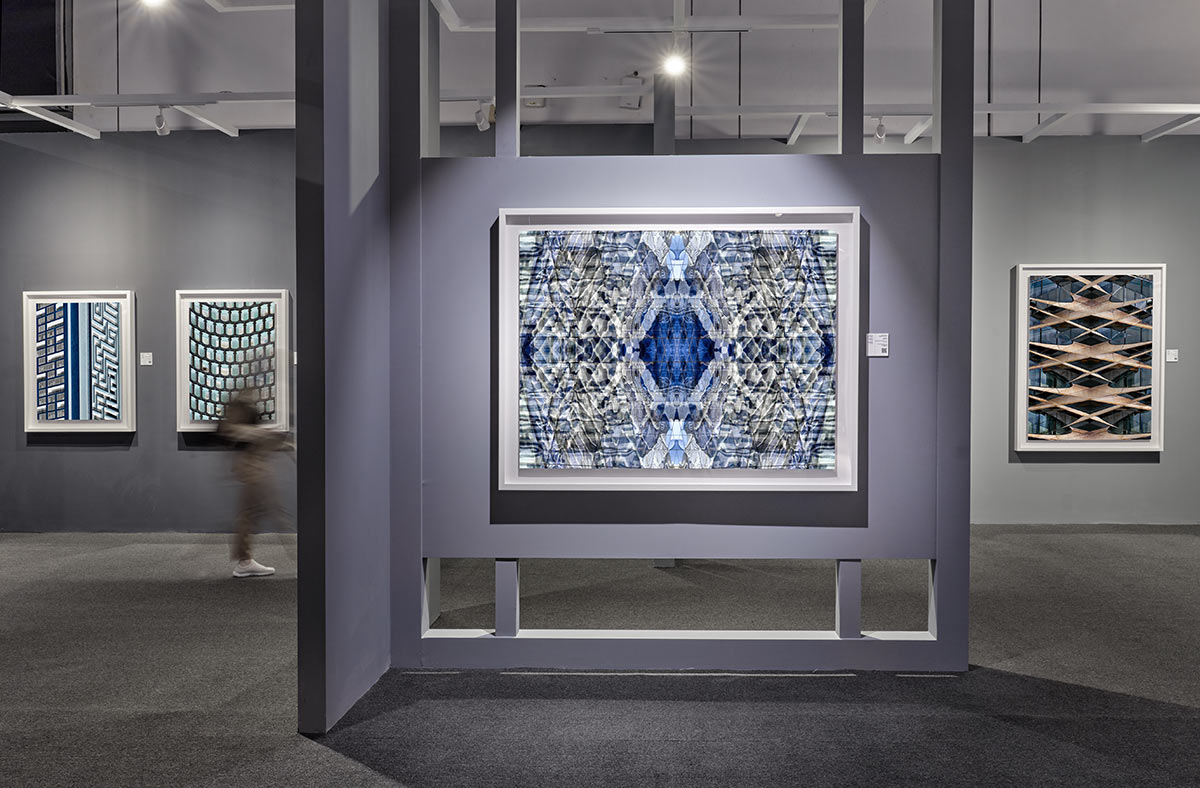
These are some of the ways that I would personally define whether an artwork is actually ‘gallery-quality’. Do keep in mind that not every gallery lives up to this standard, they vary greatly from small frame shops calling themselves ‘gallery’, to well funded corporate behemoth galleries that are typically found in the world’s major cities. It’s also important to keep in mind that artists art not uniform and don’t all focus on the same characteristics. The hallmark of my own work is its precision in composition and capture, detail, sharpness and clarity even at enormous sizes. It’s about having complete control of the process from the shoot to the final framed artwork.
Physical elements of gallery-quality fine art defined
Now that I have introduced the aesthetic aspects of gallery-quality fine art photography, let’s discuss the physical aspects. That includes the following:
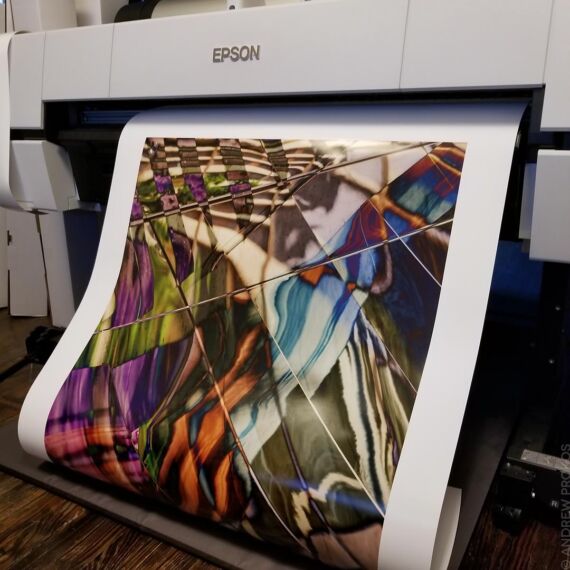
Archival inksets – Gallery-quality artwork will always use expensive archival inksets. This ensures that the colors are rich and lifelike. It also ensures that the colors don’t fade over time.
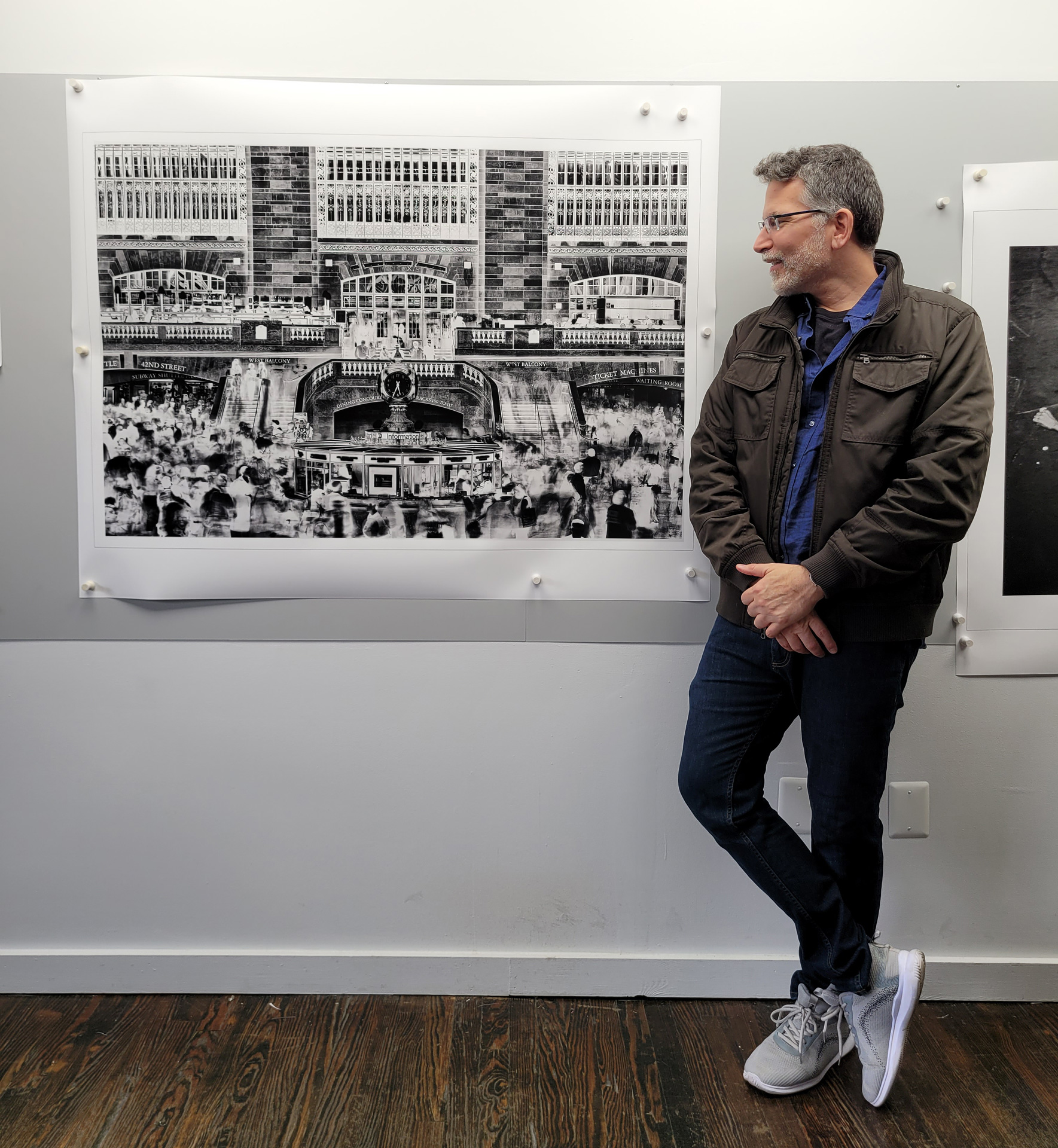
Premium papers – Gallery-quality artwork will always use premium fine art papers by major manufacturers such as Canson, Epson, Hanhnemuhle and others. The correct paper type will be matched to the subject matter. Organic subject matter such as portraiture, animals, still life etc typically use a different type of matte finish rag paper. Architecture, cityscapes, and other inorganic / linear subject matter just doesn’t reproduce well on a matte finish paper. I use a semi-gloss type finish for most of my architectural and urban images as the detail becomes more evident on these types of papers.
Premium acrylic – Some acrylics are more optically clear than others. Gallery-quality artwork will always use a premium acrylic, and for the most important pieces for collectors we use museum grade Optium acylic. It’s quite a bit more expensive, but well worth the upgrade. You can read more about Optium museum acrylic here.
The printers and framers are highly skilled at their trade – I only work with professional level printers and framers in New York, in Miami, in Paris, in London and in Australia. Wherever I need production to happen I make sure to do my research and find them. If I need to call local galleries to inquire and get recommendations I will. The printers and framers I use work with artists, galleries, museums and corporate art collections in the largest art market in the world.
Quality control – Each framed artwork is inspected by me or a member of my staff personally. While I generally trust the vendors I work with, New York is a very busy place, mistakes happen. It’s important to check each piece before it ships out to the client.
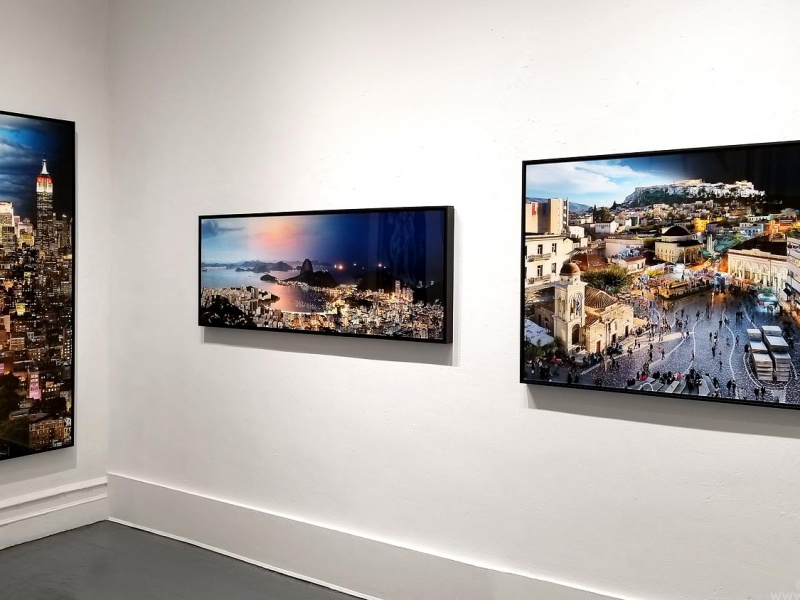
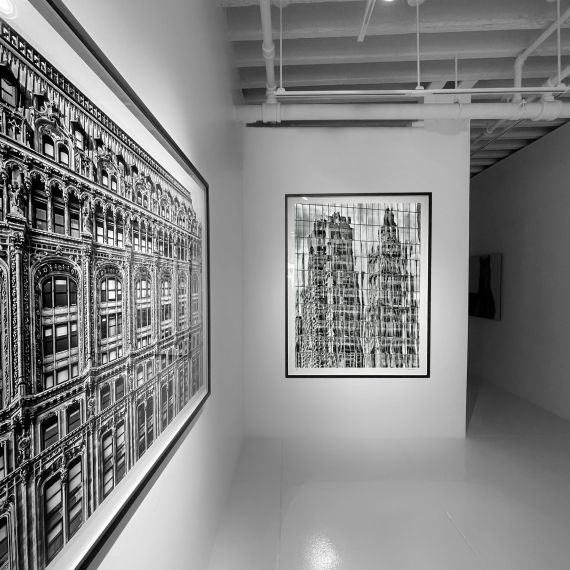
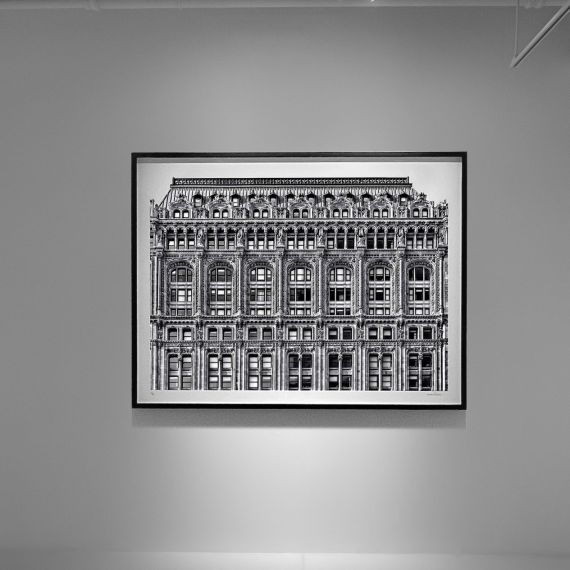
Examples of gallery quality photography prints and framed artwork
Related articles
-

12 Top Photography Museums to See in New York City
Fifteen of the top museums in New York City which prominentl...
-
14 Top Photography Galleries in New York City
A comprehensive list of the top fine art photography galleri...
-
50 Awe-Inspiring Examples of Abstract Photography
50 awe-inspiring examples of abstract photography to fuel yo...
-
50 Stunning Examples of Cities at Night – Urban Night Photography
Fifty stunning examples of night photography captured in cit...
-
Abstract Photography as Contemporary Fine Art
Photographer Andrew Prokos discusses the role of abstraction...
-

Architecture Photography – 100 Remarkable Examples from Around the World
100 remarkable examples of architecture photography from aro...