The Beauty of Acrylic-Mounted Gallery Prints
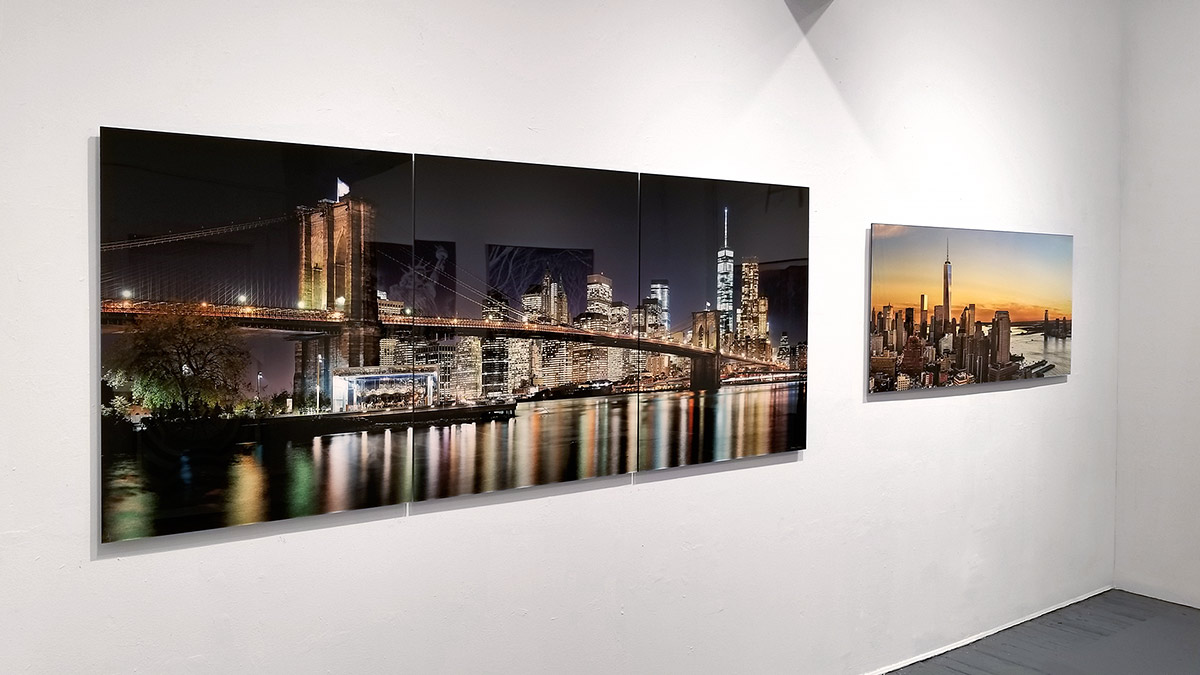
Posted in Photography Articles
Text and Images by Andrew Prokos
In my previous articles I have discussed the capture and print production process for the creation of large-scale fine art prints. In this article I will discuss the reasons why I choose to present my large-scale prints under an acrylic face-mount. We’ll see the benefits of this process in terms of display and preservation of fine art photography. I will also illustrate the exacting methods used to produce large-scale photographs mounted with acrylic, and the stunning visual rewards derived from this costly and time-consuming process. Read on to learn more…
A visual spectacle on every level
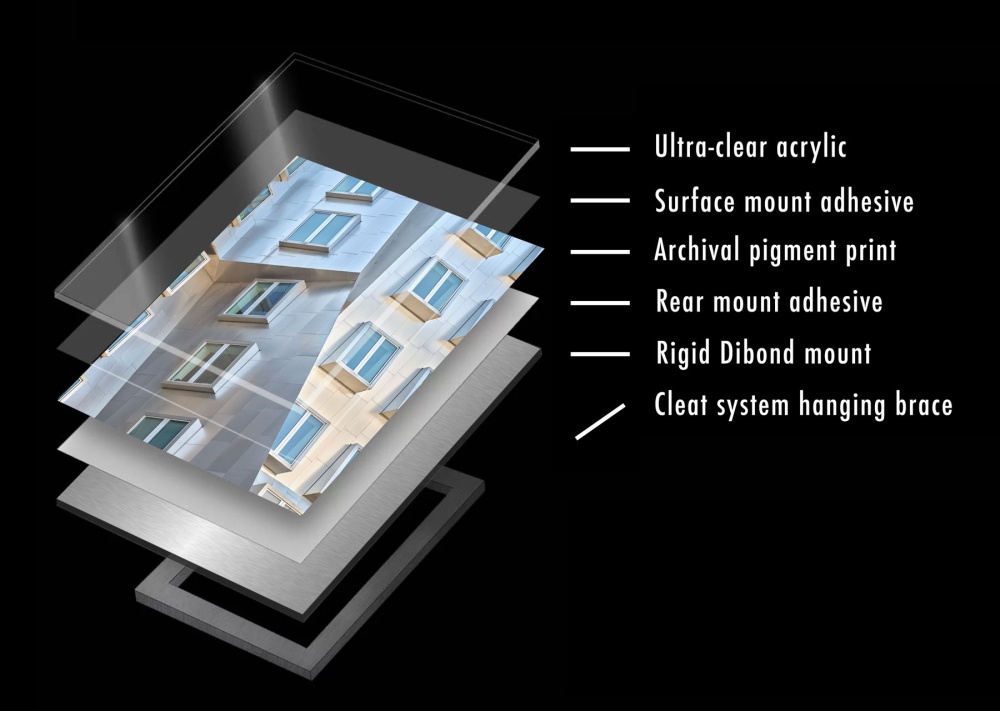
Below is a visual demonstration of the exacting process used to construct my acrylic face-mounted artwork. The print is sandwiched between the acrylic surface layer and the Dibond (aluminum composite) substrate. The acrylic both accentuates the detail and the color in the print, and protects the print from the elements.
The Dibond substrate keeps the large prints rigid and prevents the print from warping over time. Sheets of archival adhesive are used to permanently bond the acrylic to the surface of the print in the ‘dry mounting method’. An alternative is the Diasec method, where a clear gel is spread over the surface of the print in a delicate process which ensures that minute air bubbles do not form under the acrylic surface layer. The Diasec method is often referred to as the ‘wet mount method’ and is typically used more in Europe than in North America.

Front: Acrylic surface layer
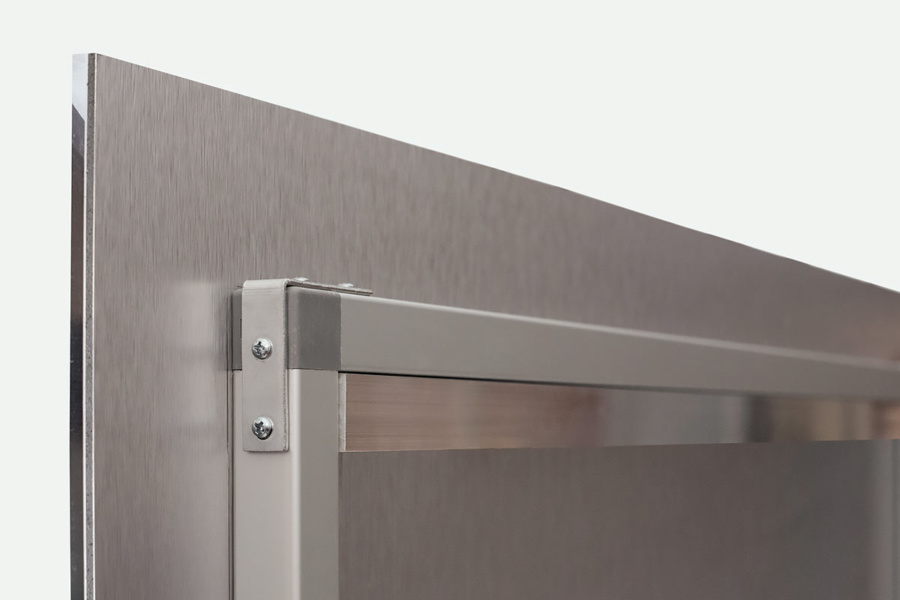
Back: Dibond substrate and cleat hanging system
Physical properties of gallery-quality artwork
If I can sum up my experience with production of gallery-quality large-format artwork into one very simple statement, it would be this: Quality is paramount. What does that mean in a practical sense? Let’s leave aside any discussion of the quality of the image itself, which is just a given if you want to sell anything in an extremely competitive global photography market. The printing and framing must also adhere to the high standards that typically only artwork sold through galleries can reach. I learned early on not to cut corners with the production of my work. It has taken me years to climb to the level where I can use the best quality production standards for my art, and for my customers.
Archival ink sets and papers are always used – this ensures that the colors are rich and lifelike, and without color casts. It also ensures that the prints do not fade over time. Archival grade adhesive is also used. The adhesive is placed between the print and the acrylic, and it’s important that only the best quality is used so that it doesn’t yellow or produce air bubbles under the acrylic over time.
Premium ‘ultra-clear’ acrylic is used – This was a mistake I made when I first started. The framer I used used to use a cheaper grade and thinner acrylic for framing, and it showed. I quickly learned that acrylic materials are not at all the same. Some acrylics are more optically clear than others, and for the most important pieces for collectors we use museum grade Optium acylic. It’s quite a bit more expensive, but well worth the upgrade. You can read more about Optium museum acrylic here.
Printers and framers are highly experienced and skilled at their trade – I only work with professional level printers and framers in New York, in Miami, in Paris, in London and in Australia. Wherever I need production to happen I make sure to do my research and find them. If I need to call local galleries to inquire and get recommendations I will. The printers and framers I use work with artists, galleries, museums and corporate art collections in the largest art market in the world.
Quality control – Each framed artwork is inspected by me or a member of my staff personally. While I generally trust the vendors I work with, New York is a very busy place, mistakes happen. It’s important to check each piece before it ships out to the client.
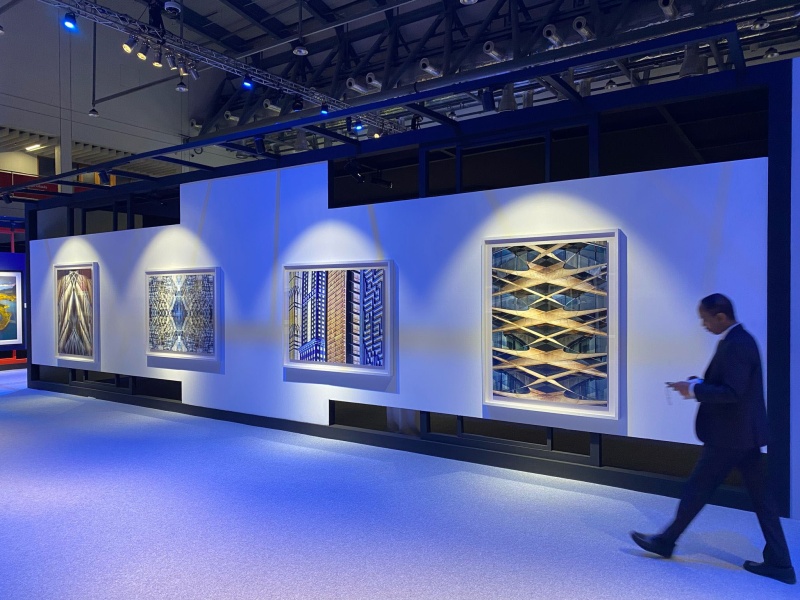
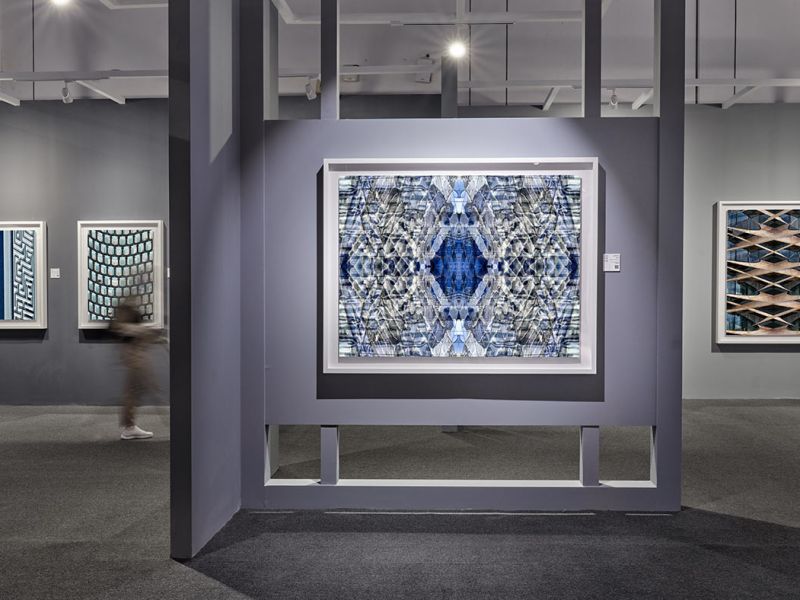
Examples of acrylic face-mounted photographs in images and video
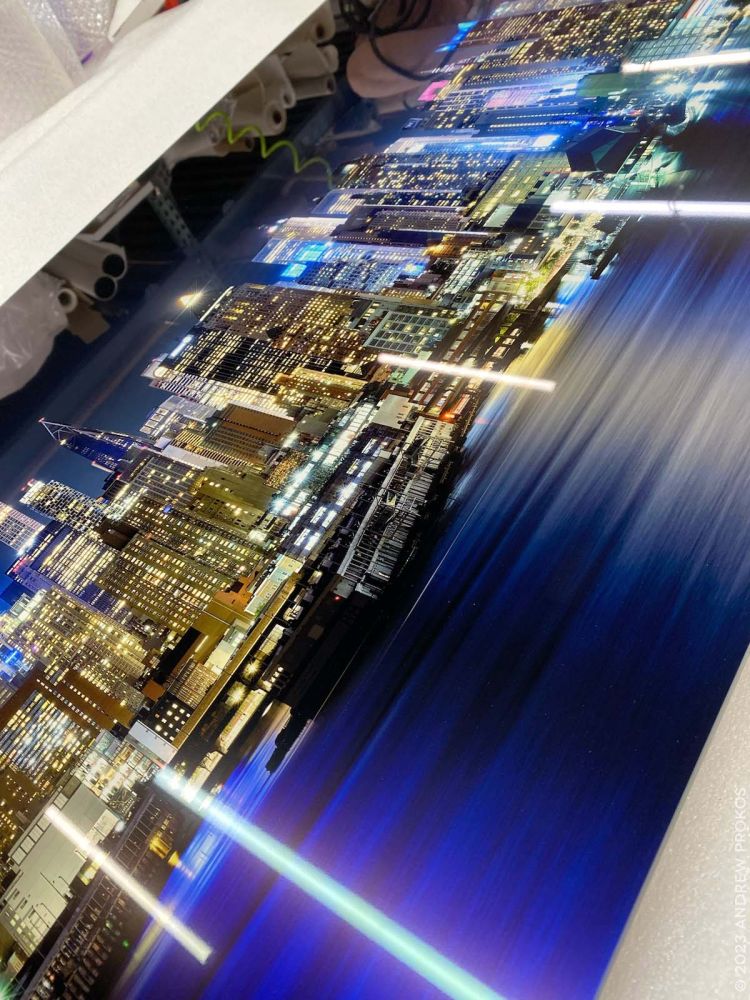
A large-scale print of Panoramic Skyline of Midtown Manhattan at Night with an acrylic float mount
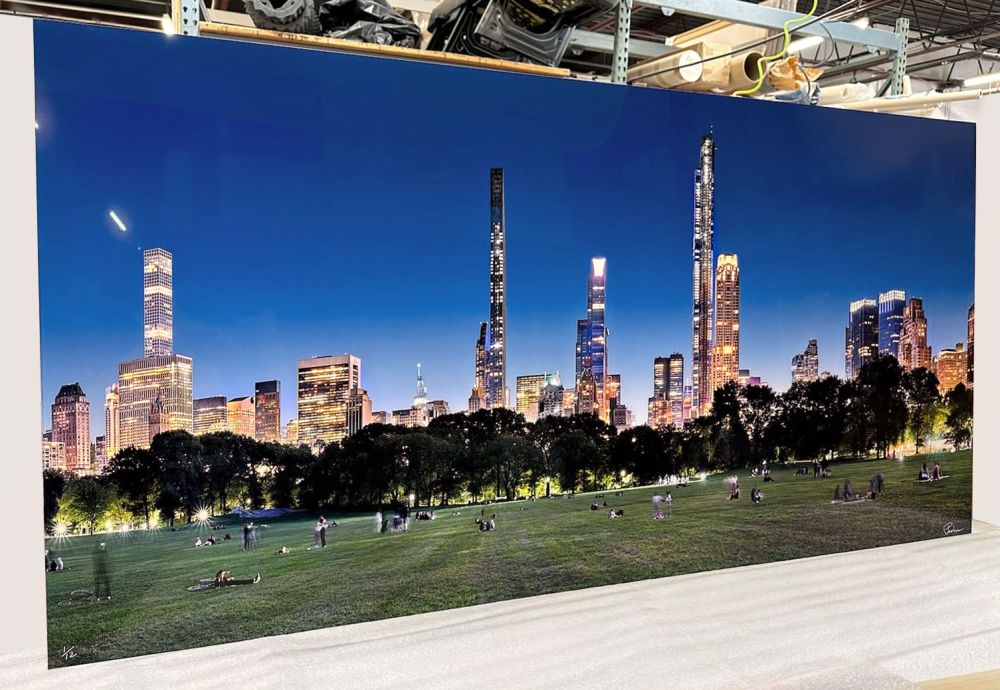
An 80 inch large-scale print of Sheep Meadow and Midtown Skyline at Dusk, Central Park with face-mounted acrylic
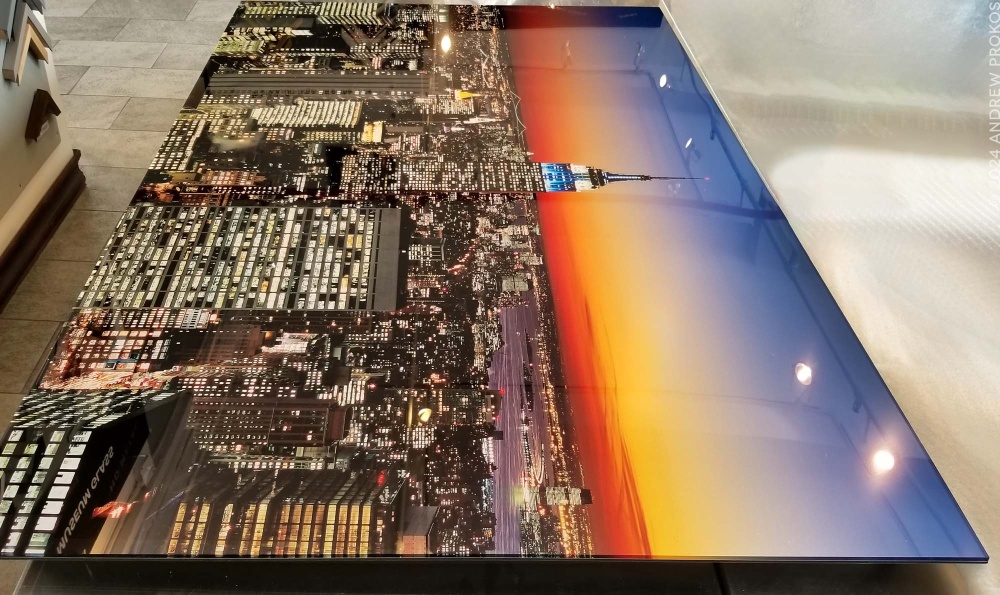
A 60 inch acrylic float-mounted cityscape of Midtown Manhattan at dusk
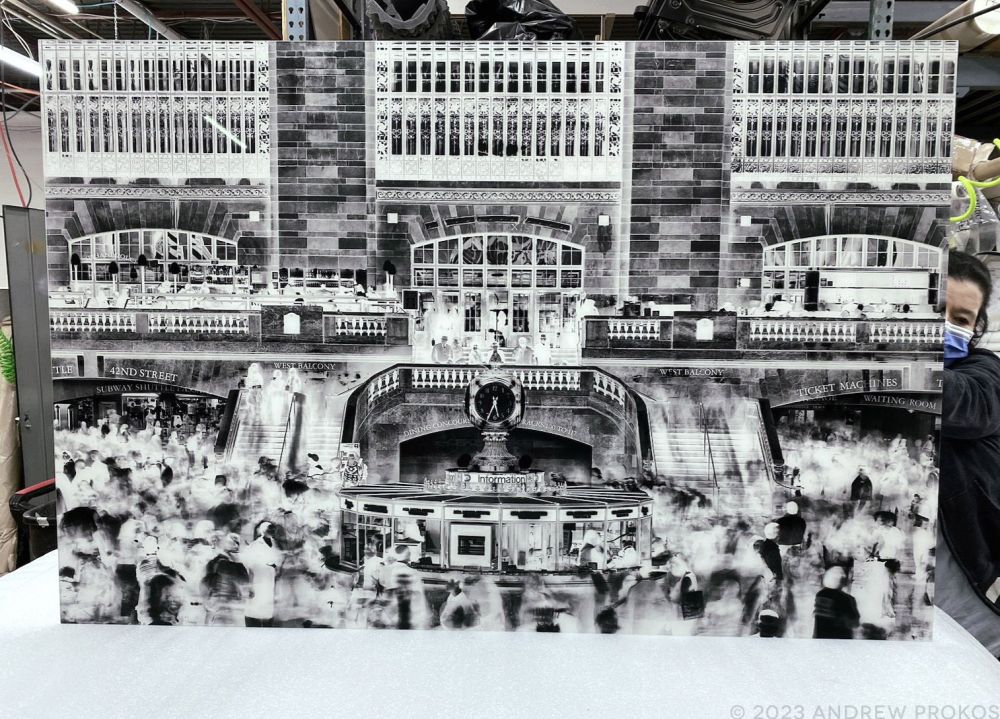
An 50 inch acrylic face mounted print of Inverted Grand Central
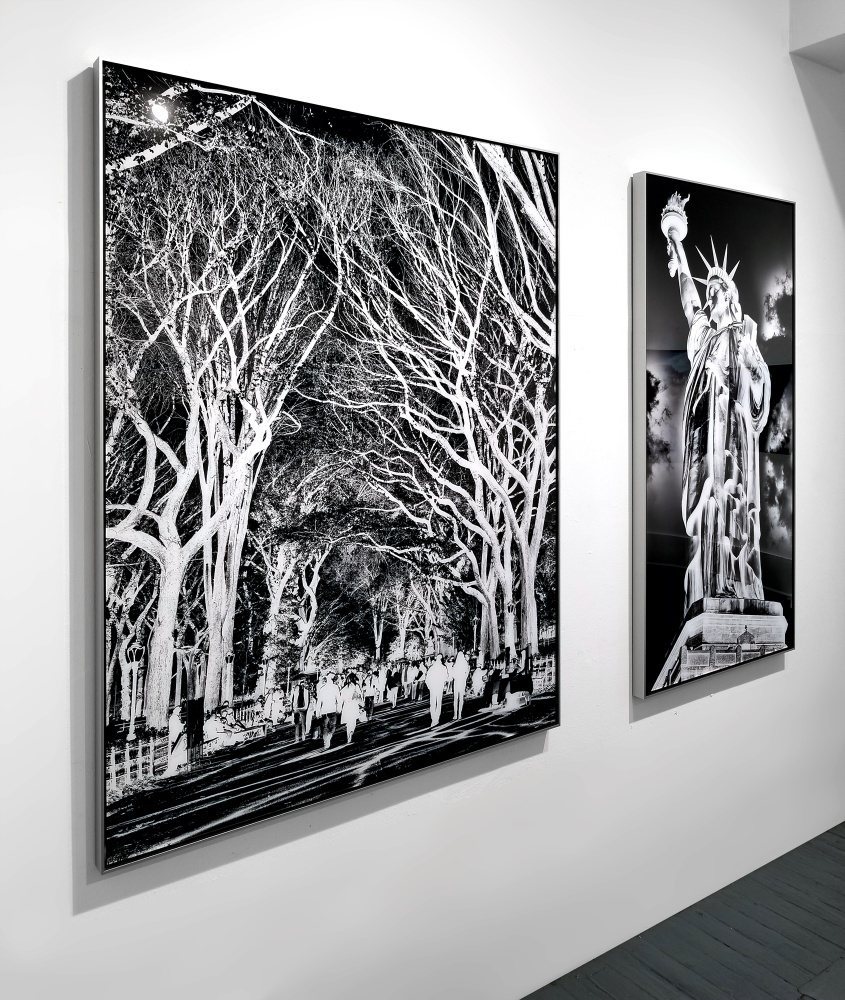
Two large-scale photographs from the series Inverted NYC with our brushed aluminum floater frame
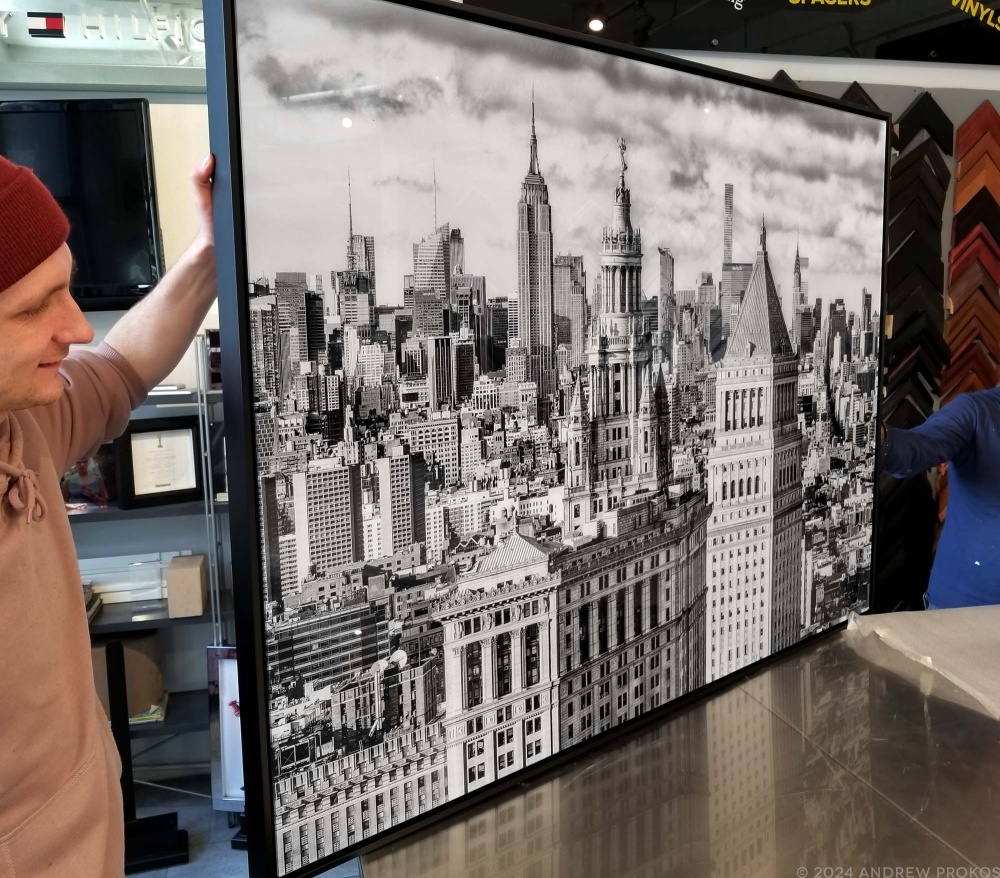
A large-scale black and white print of Municipal Building and Midtown Skyscrapers with our floater frame in black wood
Related articles
-

Architecture Photography – 100 Remarkable Examples from Around the World
100 remarkable examples of architecture photography from aro...
-

50 Stunning Examples of Cities at Night – Urban Night Photography
Fifty stunning examples of night photography captured in cit...
-
50 Awe-Inspiring Examples of Abstract Photography
50 awe-inspiring examples of abstract photography to fuel yo...
-
Your Photography Questions Answered – Part Two
Photographer Andrew Prokos answers questions about photograp...
-
Your Photography Questions Answered – Part One
Photographer Andrew Prokos answers questions about creativit...
-
Stories from My Time in Front of the Lens
Photographer Andrew Prokos reveals his never-told story of w...
-

Everything I Know about Art I Learned at the Met
Photographer Andrew Prokos discusses his formative years wor...
-
So You Want to Work With Galleries? – Advice for Artists
Photographer Andrew Prokos discusses the benefits and pitfal...
-
Abstract Photography as Contemporary Fine Art
Photographer Andrew Prokos discusses the role of abstraction...