So You Want to Work With Galleries? –
Advice for Artists
Posted in Photography Articles
Text and Images by Andrew Prokos
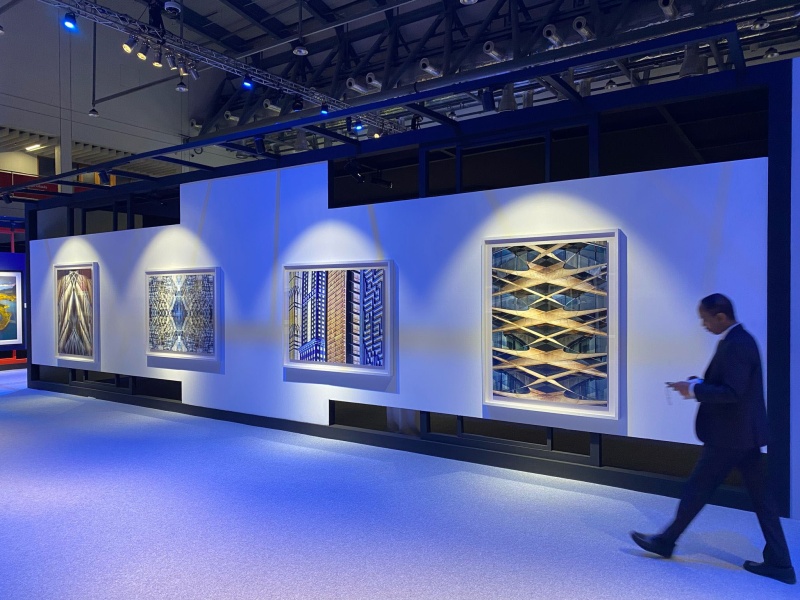
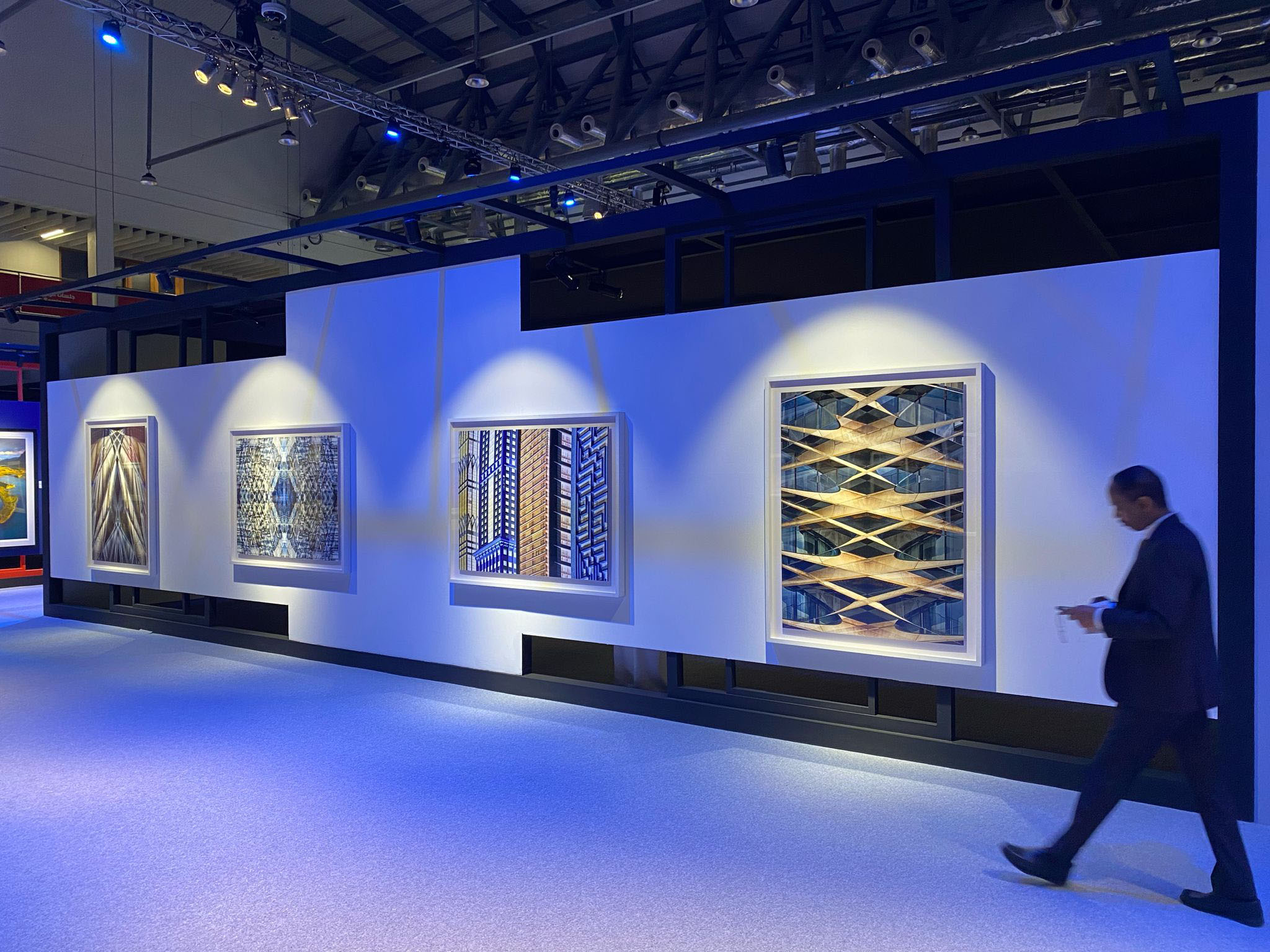
In my previous article I discussed my motivation for making large-scale photographs, and the essential elements that define a fine art photograph that might be found in high-end art galleries as opposed to photography being offered on many online platforms. In this article I will delve into the business of art galleries and my own experience in dealing with them. I have included information from my myriad conversations with photographers, painters, and other fine artists over the years. My take on the benefits and drawbacks of working with galleries is purely my own, and I don’t hold back. Much of what I discuss below is spoken between artists, but not put out there publicly. It is not an attempt to dissuade you from working with galleries, but to approach the relationship with eyes wide open.
The Artist / Gallery Relationship – Potential Benefits
First, let’s take a look at why an artist or photographer might want to seek out gallery representation, and when it might be more useful to them in their career vs. going it alone. Seeking gallery representation can offer artists several significant benefits:
Exposure – Galleries typically have a steady stream of visitors, including art collectors, curators, critics, and other artists. Being represented by a gallery exposes an artist’s work to a wider audience, potentially leading to increased visibility and recognition.
Credibility – Gallery representation can enhance an artist’s credibility within the art world. Being associated with a reputable gallery signals to collectors and other stakeholders that the artist’s work has been vetted and deemed worthy of exhibition.
Networking Opportunities – Galleries often facilitate connections with other artists, collectors, curators, and art professionals. These networking opportunities can lead to collaborations, commissions, and other career-enhancing prospects.
Professional Support – Galleries typically provide professional support to their represented artists, including assistance with marketing, promotion, pricing, and logistics. This support allows artists to focus more on their creative practice while the gallery handles the business aspects of their career.
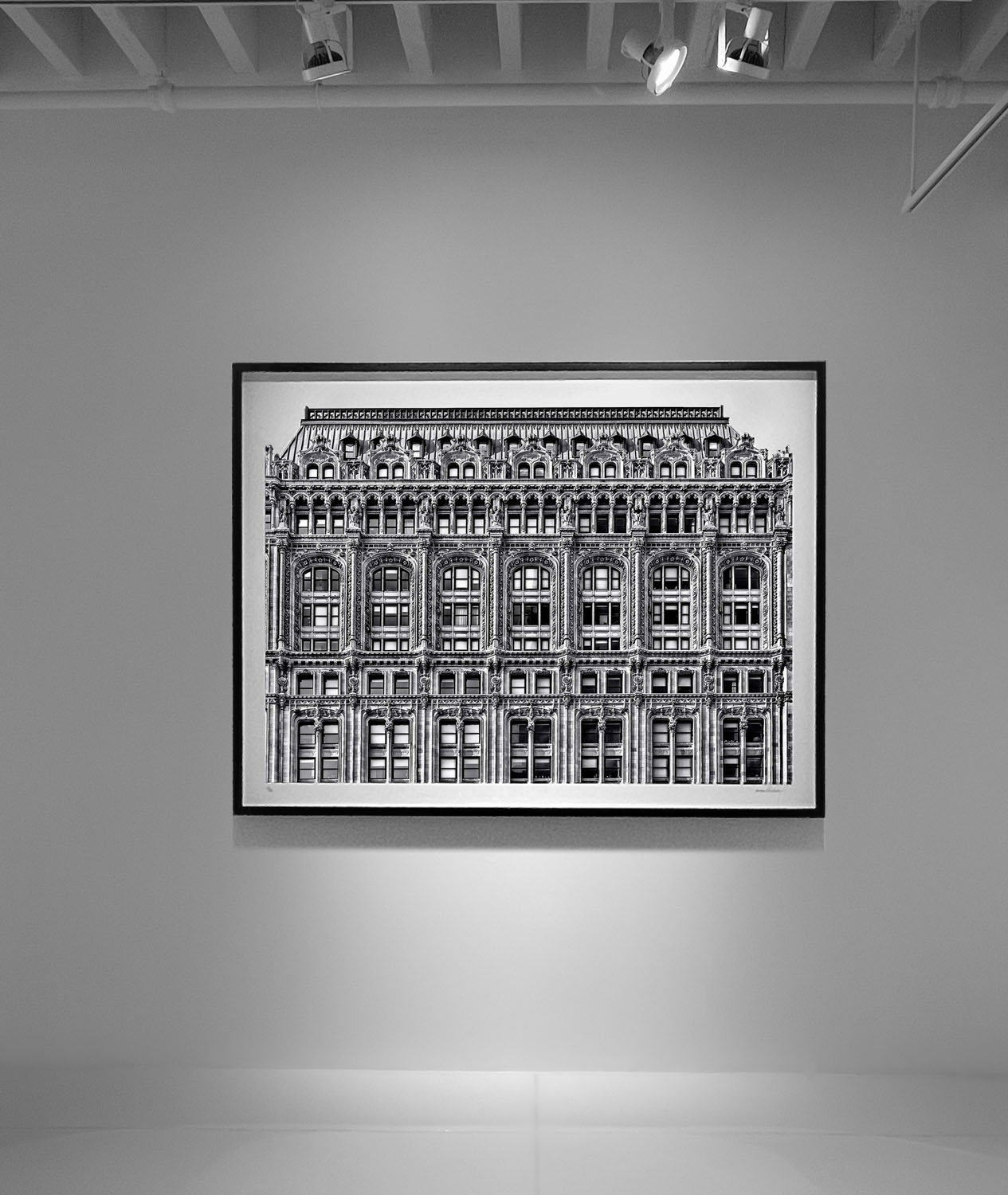
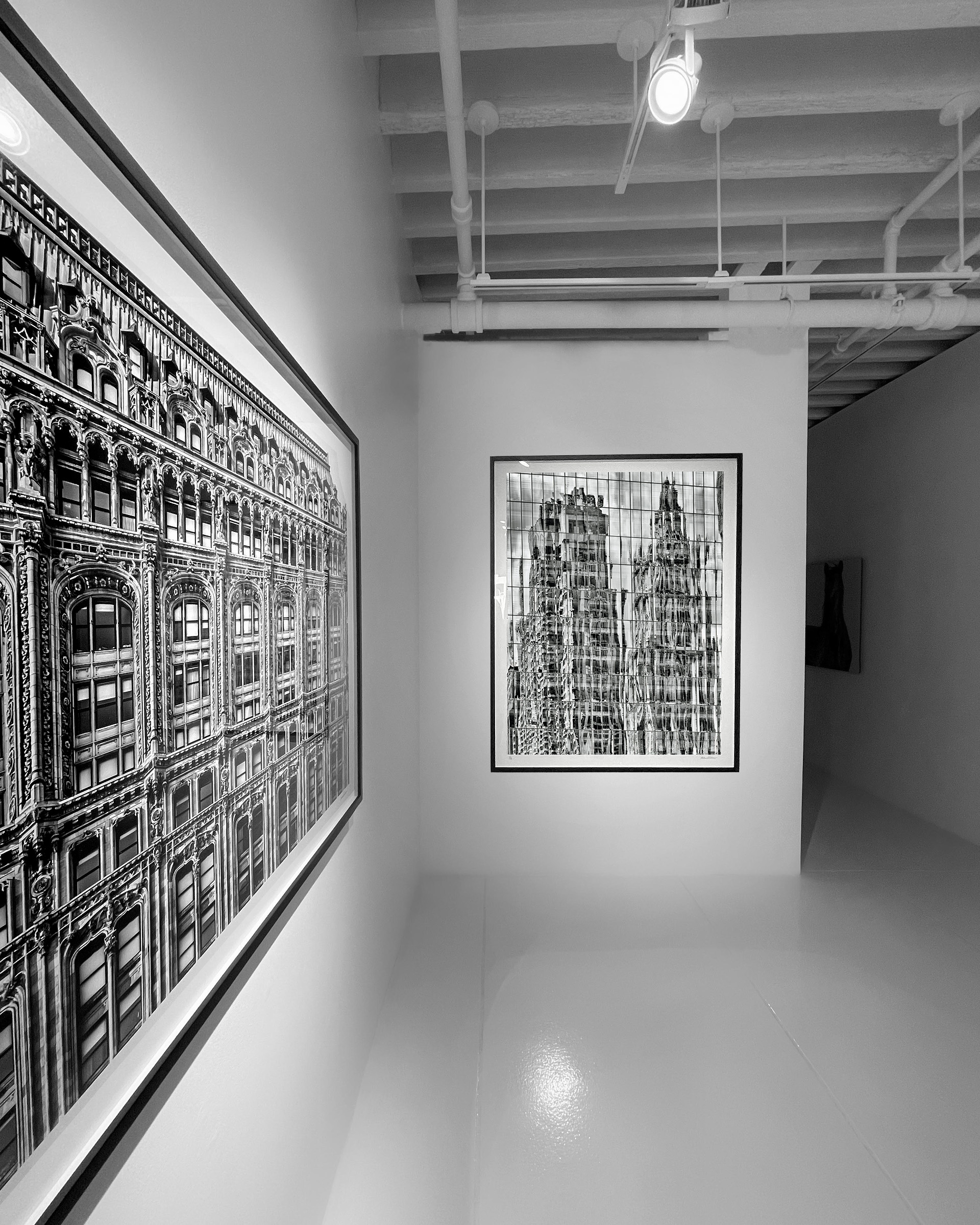
Photography Galleries
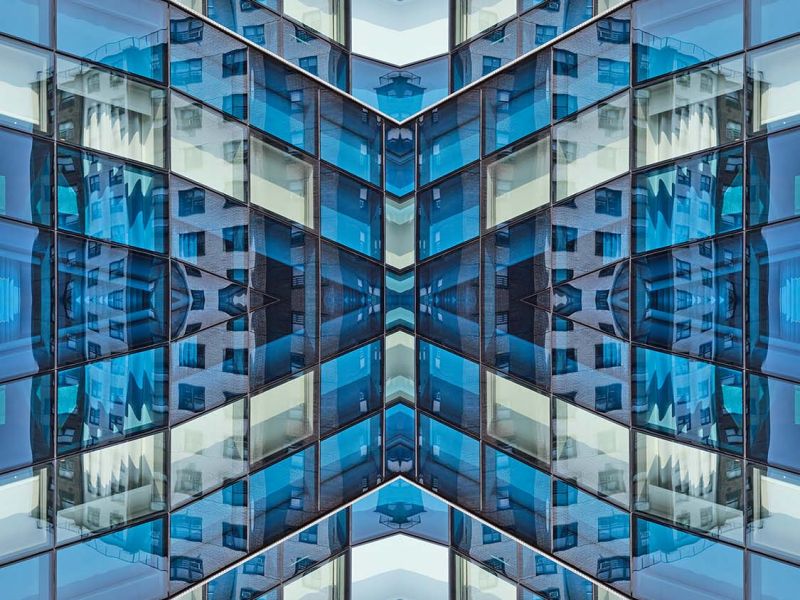


Sales and Financial Benefits – Galleries act as intermediaries between artists and buyers, handling sales transactions and negotiations on behalf of the artist. This can lead to increased sales and potentially higher prices for the artist’s work. Additionally, galleries may offer advances, stipends, or other financial incentives to their represented artists.
Exhibition Opportunities – Galleries organize exhibitions and art fairs where artists can showcase their work to a targeted audience. These exhibitions can lead to sales, press coverage, and critical acclaim, further advancing the artist’s career.
Long-Term Career Development – Gallery representation often entails a long-term commitment from both the artist and the gallery. Establishing a stable relationship with a reputable gallery can provide stability and continuity to an artist’s career, allowing for sustained growth and development over time. This aspect of the artist / gallery relationship has evolved considerably in recent years. More on that below.
Overall, gallery representation can provide artists with the resources and exposure needed to advance their careers and achieve their artistic goals. However, and this is very important, it’s essential for artists to carefully research and consider the reputation and terms of any gallery before entering into a representation agreement.
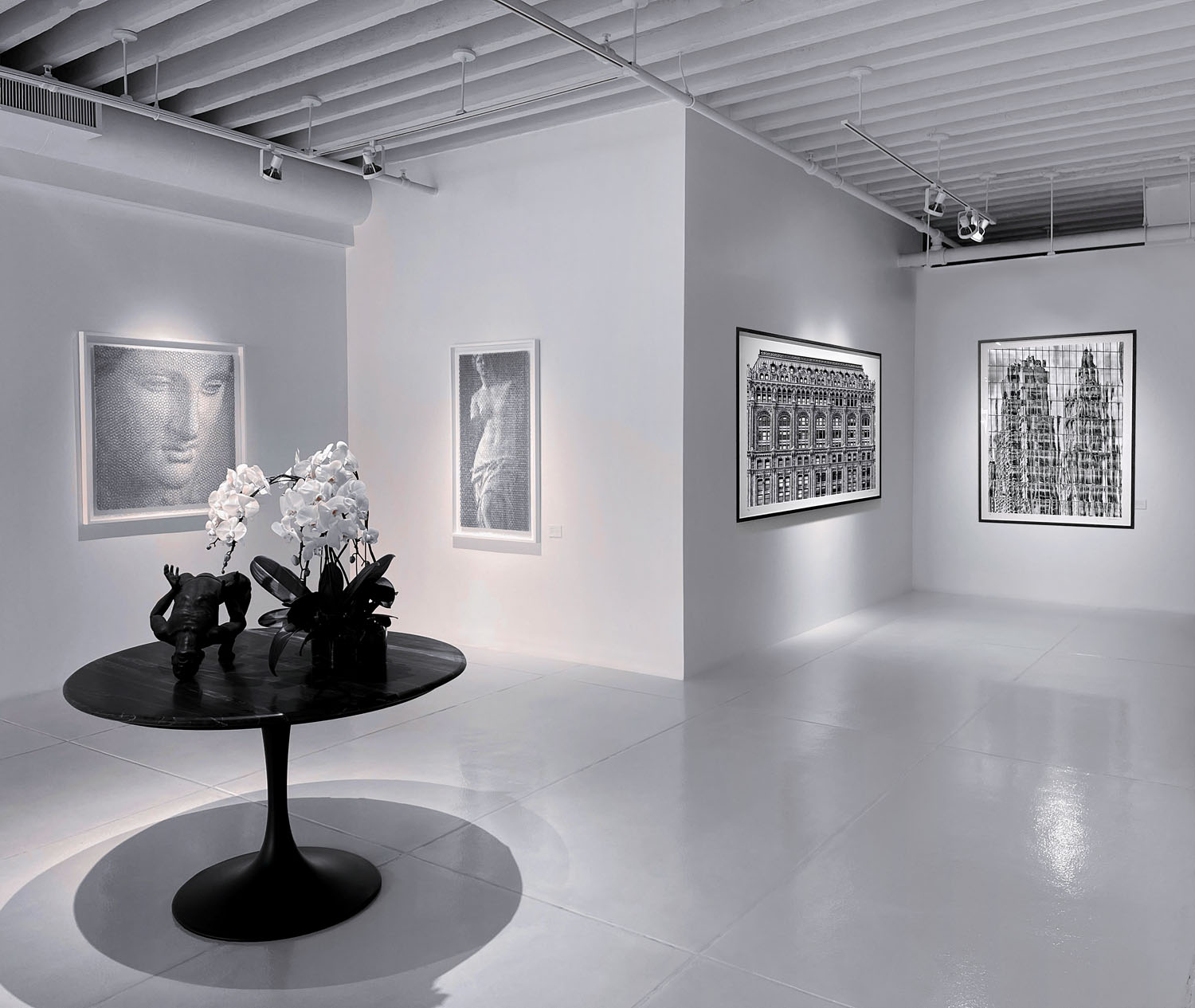
The Artist / Gallery Relationship – Not Quite What it Used to Be
Now that I have introduced some of the theoretical benefits of working with art galleries, let’s take a look at the current reality of the artist-gallery relationship. I say ‘theoretical benefits’ because the relationship that supposedly existed between artists and galleries years ago, and which many older artists benefited from, has morphed into something completely different today.
Long gone is any real commitment to the artist on the part of most galleries, nor any desire to develop the careers of the gallery’s roster of artists. This may seem harsh, but it’s an accurate assessment for the great majority of galleries out there today, who are intent on receiving the maximum benefit from the relationship while spending as little as possible (or nothing) to promote the artist. Artists are all, in effect, free agents now. This is about business and the gallery owner’s profit margin on your work. As an artist you would do well to understand that and remove any rose-colored glasses before approaching galleries.
I base this opinion on my own personal experience with galleries, and on the many many discussions I have had with other photographers, painters, and artists of every stripe. I would describe a fair number of gallery owners as falling somewhere along the spectrum between manipulative and predatory. To be fair, there are still gallery owners hanging on out there who really do want to do right by their artists and invest in their careers. The problem is that you have to go through so many of the first kind to meet a single example of the latter kind. Some of the gallery owners I have spoken with have expressed that they feel that artists are no longer as loyal as they used to be, and jump from gallery to gallery. The gallery owners don’t invest resources in any single artist that might just move on, or who might try to sell in competing galleries. The truth is always somewhere in the middle.
Below are some of the very real pitfalls of working with galleries today:
Investment in Inventory – This is the main reason which gives me pause when assessing whether to work with a new gallery, and the reason why I have terminated so many gallery relationships that just weren’t paying off. In order to play the gallery game you need inventory, and inventory carries risk. Any time you produce expensive artworks you are investing your time and your money into pieces that you have absolutely no guarantee will sell. This is especially so for photographers, who need to invest in the best quality printing and framing in order to sell through art galleries. Choose the wrong work to send to a gallery, or the wrong frame style or color and you’re stuck with it. That is not a profitable business model for the artist in general. Most galleries do not have the cache to guarantee sales to any artist these days. If you are fortunate enough to be working with one of the top flight galleries in the world with branches in every major city then its not a concern as the gallery has the wherewithall to push their artists and sales. But alas, that is not the case for 95% of artists or galleries.
Decline in Foot Traffic – It’s no secret that art galleries have been experiencing declining foot traffic for years, and that trend was greatly exacerbated by the pandemic. Fewer and fewer visitors means lost sales opportunities for artists. Many small and medium sizes galleries have closed their physical locations for good and are now depending on online sales through platforms like Artsy and 1st Dibs, which charge high commissions themselves or on very expensive art fair stands.
Inflated Commissions – As galleries have become less profitable due to falling foot traffic and increased expenses across the board (rent is the main expense for any gallery), they are demanding higher commissions and using more predatory tactics.
Photography Galleries

Shared Expenses – I also call this the ‘We Win, You Lose’ scenario. The “deal” with galleries is that they take a commission of 40% or 50% of the sale of the artwork and bear the cost of rent, utilities, marketing, exhibition openings, art fairs, etc. However these days galleries are passing on many of their own expenses to the artist, mostly due to higher costs from rent, but also because they have realized that they can and the artists will accept it. That can include billing the artist for bringing them to art fairs, passing along commissions from online platforms such as Artsy to the artist, and charging for expenses for exhibitions and openings. All of this should be the gallery’s expense, after all they are taking a 50% cut, right? I advise artists to consider some of their own costs in producing artwork when taking all of this into consideration.
Lack of Commitment to the Artist – Long ago on a distant planet in an alternate universe, artists had solid relationships with gallery owners based on mutual respect, and a true partnership where both sides profited equally. If those days actually ever existed, they are long gone now. The relationship is strongly tilted in favor of the gallery, and the focus is not on you and your career or your ‘vision’ dear artist, but on the gallery owner’s income and lifestyle. Artists are interchangeable, and you will only really get galleries making major accommodations for you when your work becomes absolutely integral to their bottom line. Until that point, consider yourself easily expendable, and make sure the gallery is paying for the return shipment of your artwork if the relationship heads south. (see: “Get It In Writing”)
Long-Term or Long-Gone? – This is another myth of the gallery relationship, and one that has changed considerably over time. In the distant past artists used to keep the same gallery for years, or even a lifetime. These days galleries are so unstable that artists have to be ready to jump ship when the representation no longer serves its purpose. That may sound brutal, but this is business after all, and the artist is not there to subsidize a poorly performing or failing gallery. Everything ends, move on and free yourself up to find new representation or to focus on selling your own work.
Financial Instability – This is the unfortunate reality of our new economy…small and mid-sized galleries are just not as profitable as they used to be. That is not all the gallery owner’s fault. Most art galleries are located in major urban centers, and the retail and office rents in these cities have continued to skyrocket unabated. That trend, in tandem with the trend of fewer people shopping in person and lower foot traffic, has meant that smaller galleries are under a lot of financial pressure. Many have closed already, and many more will close. I predict that most small and medium sized galleries will move to online-only presence, with a physical presence at art fairs. Even the art fair craze is diminishing, with many galleries cutting back or skipping them entirely.
Overhyped Career Benefits – As an artist you must make critical judgements about relationships and expenses. In the past galleries were willing to do a lot more leg work to promote artists and their careers. They played a critical role in the development of the artist. That may have included assisting the artist with writing their Artist Statement and CV, promotion at art fairs and in print, exhibiting the artist in group and solo shows, and placing editorial pieces in art journals. There are galleries that will still perform these tasks, but more and more there is a fee attached. As foot traffic and sales have declined, galleries have turned to charging the artists they represent for services. Many claim that it’s a must in order to keep the space open. That is arguable, but every artist needs to judge for themselves whether the amount asked for these services is in line with performance and the return on the investment. I say ‘investment’…because with every expense you are literally investing in your own career. Make sure it’s worthwhile. I have personally seen ridiculous fees being requested for an artist’s share of art fair booth placement, for platforms such as Artsy and 1st Dibs, for editorial, and for social media “management”. Please be aware that all of this is being marked up considerably by the gallery and their vendors. Caveat Emptor.

The Anna Delvey Effect
Here is where the gallery fairytale takes a bit of a more sinister turn…and again, I am speaking from firsthand experience in my dealings with galleries and I have spoken with quite a few artists who have told me their experiences. More than a few galleries, even though they may seem glamorous from the outside, are barely profitable…or worse they are being used to fund the gallery owner’s consumption and lifestyle with little regard toward the long-term outlook for the gallery or the artists. Often this thin veneer of success is accompanied by the gallery owner’s overblown sense of self-importance and grandiose ego.
Sometimes this pomposity stems from the gallery owner’s sense of privilege and entitlement, as many are children of privilege who were handed a gallery to play with by daddy to give them something to do, or they are married to someone who has a pressing need to launder a lot of money. and fast. It’s easy to see this trend by the number of galleries that have suddenly sprung up like dragon’s teeth in New York, Miami, and other international hotspots which have owners with no real background in art and zero previous experience operating a gallery. The owners are typically from places where large amounts of money need to be transferred out as quickly as possible and laundered through legitimate retail operations. Often the galleries are chains, which seem to appear out of nowhere and expand to multiple locations even though nobody has ever heard of them. Another tell is the garish ‘pop-art’ type work that they peddle in the gallery…the blingier the better seems to be the ethos. I avoid these types of pseudo-galleries like the plague, and I would advise most serious artists who want their careers to remain in tact to do the same.
Just as often though the notorious ‘gallerist attitude’ is just an act that the gallery owner puts on in order to keep artists in line…so that they don’t become too demanding to get paid on schedule or the right amount, or so that they don’t ask too many questions. In other words, the art world is stocked to the rafters full of Anna Delvey types, and as an artist you had better learn to recognize them when you see them. My advice is this, if a gallery owner is rude or dismissive, or haughty, or derogatory then just move on…that personality type will only bring you grief in the long run. All profitable relationships are based on mutual respect…if you aren’t being respected from the beginning then you aren’t going to profit from the relationship I can assure you.
Artists are very often in the role of supplicant, and too often more than happy to fill that role. That is due to the power imbalance that exists between the gallery owner, who clearly has enough money coming from somewhere to be able to open a gallery, and the typical starting (“emerging”) artist. The artist wants desperately to receive accolades and the appreciation of their peers. They also want to sell their work, which is another potent form of validation. That can lead artists to quickly cede control of their own careers to seemingly more powerful, connected, and knowledgeable people.
Just keep in mind that too many of those same gallerists have what they have by charging the artists fees for every last thing they do. They aren’t art world impresarios, they are basically con artists who target artists. Don’t be their mark. Real gallerists are not easily available, and won’t ask you to pay fees on top of fees for services they tell you you must have to advance your career. Real gallerists make money by promoting talented artists whom they believe in, and by collecting a commission from actual sales. Real gallerists are rarely avaricious, and have made the tradeoff of potentially lower income for the gratification of working with artists who perhaps won’t sell as broadly or as easily as the shallow, blingy stuff sold in pseudo-galleries.
Do Your Due Diligence
When researching galleries I would advise looking into the background of the owner, or the gallery director as they are often one and the same. Here are some things to look out for:
– Does the owner have a degree in art history or a related field? If not, what was their educational path? – This is not a must, there are plenty of galleries started as second acts by people who did well in finance, for example, and who had an appreciation for the arts. But an educational background in the arts is often an indicator of a more serious intent on the part of the owner, and it is a must for the director.
– Check that accreditation, is it from the Royal College of Fine Arts of the Metaverse? Or is an actual accredited college or university?
– Tangentially, is the owner a member of any art dealer trade association, such as ADAA, or AIPAD? These tend to vet their members and so the membership tends to consist of long-term players.
– Did the owner / director work their way up the chain in other galleries, learning the business before launching their own space? Or did the funding come from some mysterious source?
– Does the owner / director have a bio page which publicly discusses their history, or any public history of previous work experience? Or at least a LinkedIn page showing their path in the art world? A total black box here is a warning sign. People who have attained certain educational and career goals generally don’t hide it.
– Can the owner be tracked down if necessary? Is there a physical address for the business? Is the business actually incorporated in the state where it is purportedly located? If not, it won’t be easy to reach out and touch them should they vanish in the middle of the night with your art or the commission they owe you….which happens, it happens a lot. You can check any business by checking your state’s corporate registry. California is here, Florida is here, and New York State is here. You can also see if the business actually has a certificate to collect and remit sales tax as a vendor. In New York that’s here.
– Important! – Reach out to the artists in the owner’s current gallery, and in any previous galleries and ask them about their experience with the owner. Some artists may not respond, but a few will. Be quiet and let them spill the beans. Take notes.
And just so it’s clear, I am not the kind of person who doesn’t do my due diligence…ever. But I myself have been taken in by nefarious gallery owners who put up a very good front. Both times it was when I didn’t listen to my own intuition telling me that perhaps it was better not to get involved. With every new gallery I send a set of questions to the owner…if they evade the questions, or give me attitude that they don’t need to respond then I will pass. If the gallery does not want to sign a firm contract putting them on the hook for certain very reasonable stipulations then I pass. And more importantly, I reach out to the current artists that gallery is working with to ask them what their experience has been in working with the gallery. It’s not foolproof, but it’s better than flying blind.
I can hear the chorus of disaffected artists already…”easy for you to say Andrew, you’re already established…I’m just starting out and have to take what I can get!” Fair enough…at this stage of my career I am in a good financial position and I can afford to pass on galleries if I don’t like the vibe. But I became financial independent by thinking about my own bottom line first, not the gallery owners’ bottom line. I’m there to produce the work and ensure the quality. They are there to sell the work and foot their own expenses as a gallery. As an artist, you are not there to subsidize the gallery…I cannot stress that enough.
Just some quick background…I came to New York with nothing at the age of 20 and worked for a decade in all kinds of jobs I hated in order to have the ability to go pro and control my own career at the age of 30. It was not a quick rise, and I was not an overnight success. My daddy wasn’t rich (neither was my mommy)…in fact, I had to support them financially as they aged and stopped working. For this reason I learned to take off the rose-colored glasses early on and think like a businessperson. Whether or not this pleased galleries (or other artists) was never a consideration for me. I didn’t play the gallery game at 30 years old, I just made my own game…and it worked out quite well for me.
This is how I think artists should look at their careers, not as helpless bystanders but as being firmly in control and working toward a life of financial stability, whether or not that includes galleries in the picture. Artists, like every other career, must think about the long game. Do everything in your power to sell yourself, before giving up power and placing it in the hands of someone who most likely doesn’t deserve it. There are many ways for artists to reach buyers directly these days…many more than ever before. Maybe that will be fodder for another article…
Photography Galleries

Get it in Writing
As I have referred to above, contracts are everything when dealing with galleries (and gallery owners). The role of the professional artist is not only to provide artwork of consistently high quality and to exhibit creative prowess…the artist must also master the art of negotiation and business practices. I am not going to enumerate all of the points that should be included in a standard gallery contract as I am not providing legal advice here. There are some useful books of legal contracts for photographers and also ASMP has gallery contracts available for members. There are certain norms that should be adhered to in order for the relationship to go smoothly and for both sides to be protected.
As I mentioned previously, shipping cost is a major concern especially where large-scale artwork is concerned. It’s quite expensive to crate, insure, and ship artworks across the country, not to mention internationally. The artist should bear some of the cost of that…either to the gallery or back, but not both ways. The contract should also include stipulations about insurance for the gallery’s location…especially in places prone to flooding, hurricanes, etc. This was made evident when many galleries who claimed they were fully insured were actually shown to be completely uninsured during Hurricane Sandy in NYC. The artists pretty much lost everything because the gallery owner didn’t want to pay for insurance.
In my experience, galleries typically want to put their own standard contract under the noses of artists and tell them to sign. Be certain about one thing, the contract the gallery sends you is tailored to their needs, not yours. Some are bare bones and others are a bit better, but almost always geared to giving the gallery the easiest out without any legal liability. Resist the urge to sign such contracts, it will only come back to bite you in the…you know where.
Exactly Who Do You Think You Are?
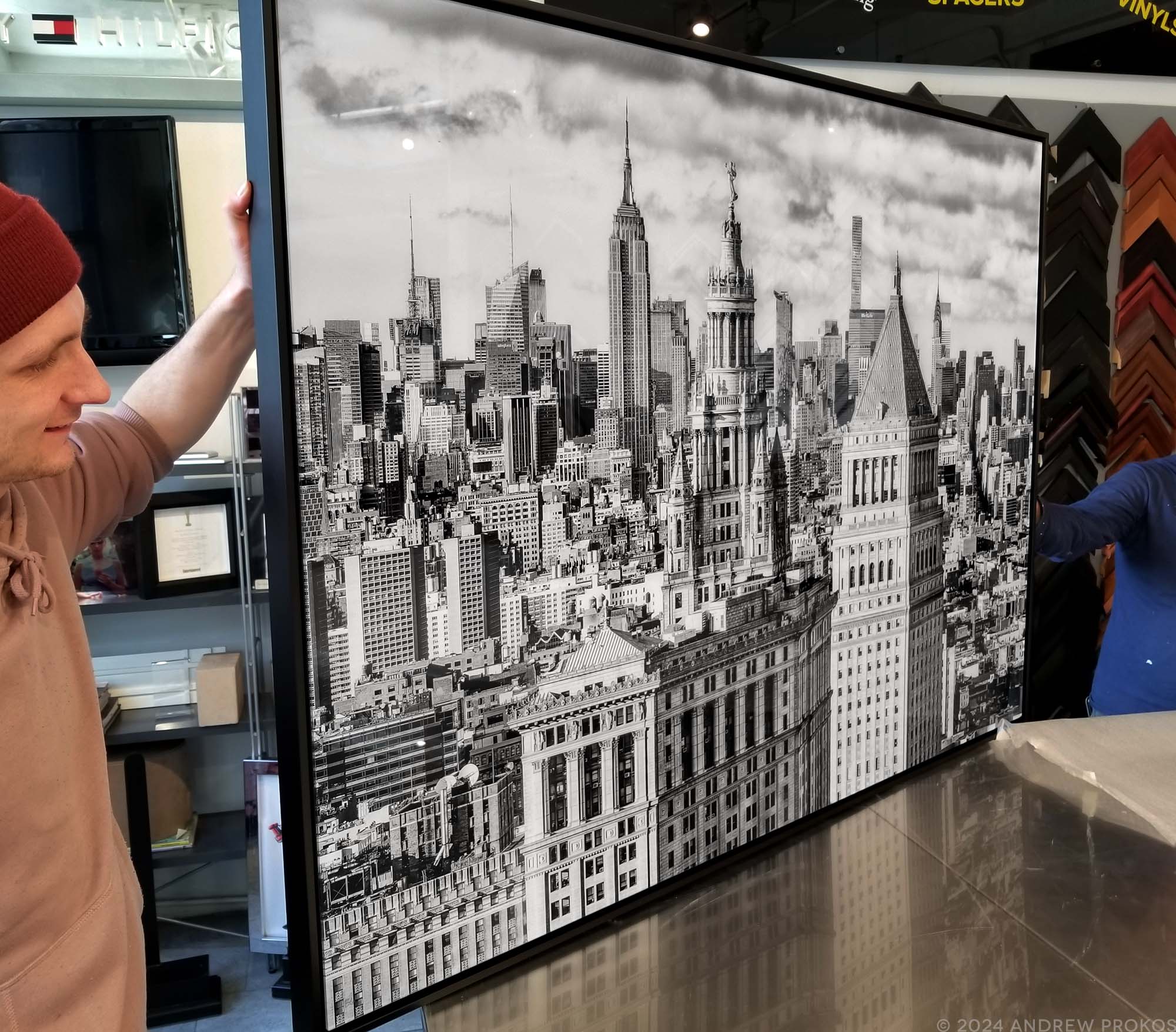
At this point in my career I have had 20 years of experience selling fine art and dealing with galleries, art advisors, interior designers, and corporate art collections. Each can be a challenge in its own way, but galleries are simply on another level. That’s because you are expected to produce the work and ship it to the gallery at your own expense, and be ready to take it back if the work doesn’t sell. That is an inherently bad business model for photographers in particular. Painters are forced to produce works up front and keep them in inventory, that is not the case with photographers. I always strive to carry as little inventory as possible. Production on demand (and direct to the customer) is a far more profitable business model.
These days I approach any new gallery relationship with caution. I simply will not get involved in producing anything for them, or shipping anything to them unless they are basically guaranteed to sell it. That is a tall order to fill, and not many galleries can fill it. So rather than working with just any gallery that shows interest, my advice to any artist is to have a frank discussion with the gallery owner on who their clientele is, why they are requesting the pieces they are requesting, and how they intend to sell it. Have they received requests for that type of work that went unfilled? Who is their target demographic as a gallery?
And as I mentioned, make sure to get it all in writing, including the gallery being on the hook for crating and shipping your work back. I have seen artists that also require the gallery to pay for shipment up front, then the artist pays for the return. This is smart in a way as the artist controls how the work is shipped and by whom in both directions. As an artist you should be prepared to broach these questions and not be afraid to seem difficult. If you are just going along with what every gallery wants you are literally setting yourself up to lose money.
Photography Galleries
Without You I’m Nothing
In this final section I am going to touch on the mentality of the artist, and how artists sometimes undermine their own careers by ceding power to third parties. The first thing every artist should do before reaching out to galleries (or expecting anyone to take them seriously), is to examine their own motivation for making their art, and the expectations they have by choosing the life of an artist.
Unless you have worked in another career and saved plenty of money (or have a trust fund) you will likely have many lean years ahead of you as you build your career. Success these days is all too often due to a stacked deck…connections in the art world, or parents who can fund a career in the arts, etc. That isn’t to say that artists who come from an affluent background are all mediocre, not true in the slightest…they just have all the resources at their disposal to focus entirely on their art and not have to spend most of their time working to pay the rent. They will move forward faster than artists who must find a way to support themselves. But that doesn’t mean that they will necessarily end up being the most successful or important artist…that comes from sheer determination. I have seen artists, photographers in particular, but also painters…both male and female, excel over and over through sheer determination and the will to succeed. While the affluent nepo-baby artist is in Miami drinking tequila shots with the bros, the determined artist is in the studio painting on Saturday night, or like me when I was starting…out shooting on Saturday night.
Working at a full time job to support your art isn’t optimal. I did it for ten years as I mentioned…it didn’t kill me, but I do feel like I would have been more focused and my careers would have gained more momentum in my 20’s. I had worked in many jobs; waiter, security guard, paralegal in a corporate law firm, in the graphics departments of print and digital advertising agencies, broadcast video editor…so many jobs that I probably can’t remember them all. The one thing that all of those jobs taught me was that I needed to be in business for myself, I am not cut out for office work…sound familiar? I learned a lot at each job, but mostly I learned patience and to bide my time until I could do my own thing without distraction or interruption. I spent a full decade as an amateur photographer before I was finally in a position to go full time.
To wrap up an already quite lengthy article…there is no assurance of success as an artist, we all know that. The path of the artist can be lonely and isolating because family members, friends, and co-workers often look at artists as being somewhat naive or lacking ambition. Successful artists are none of those things…they are some of the most truly determined people I have ever met…they’re almost frightening in their determination. Accepting that the path to success for the artist can be deferred and highly circuitous compared to other careers is part of the ‘deal’ I’m afraid. There are very few wunderkinds, and many who do find success very early on fade quickly. Success as an artist (including sales and financial success) is learning to commit to the long game.
I realize that this article may seem quite controversial in some ways, but I hope that it has proven useful and that I have imparted some insight here. Please do feel free to drop me a line if you would like to provide feedback.
Related articles
-

Your Photography Questions Answered – Part Two
Photographer Andrew Prokos answers questions about photograp...
-
Your Photography Questions Answered – Part One
Photographer Andrew Prokos answers questions about creativit...
-
The Essential Elements of Gallery-Quality Fine Art Photography
Photographer Andrew Prokos discusses the process behind maki...
-
The Beauty of Acrylic-Mounted Gallery Prints
Photographer Andrew Prokos discusses the process behind maki...
-
Stories from My Time in Front of the Lens
Photographer Andrew Prokos reveals his never-told story of w...
-
So You Want to Work With Galleries? – Advice for Artists
Photographer Andrew Prokos discusses the benefits and pitfal...