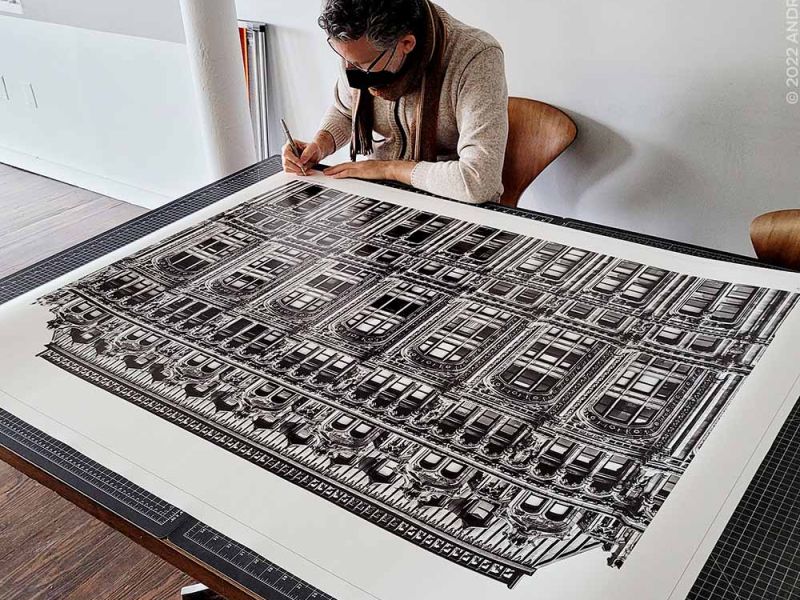
Abstract Photography as Contemporary Fine Art
Posted in Photography Articles
Text and Images by Andrew Prokos
In my previous article I outlined my principal motivations for creating large-scale fine art prints. In this article I’ll be discussing abstract photography as a form of contemporary fine art. Abstraction is nothing new on the contemporary art scene, but abstraction played a distinctly minor role in the photographic field until fairly recently. The world has been trained to see photography as necessarily representational, and that strong bias is still alive and well. Photographers are expected to capture the world in a way that is easily recognized and not confounding or challenging…that should be left to the painters and other art forms which originated abstraction much earlier on in the history of art.
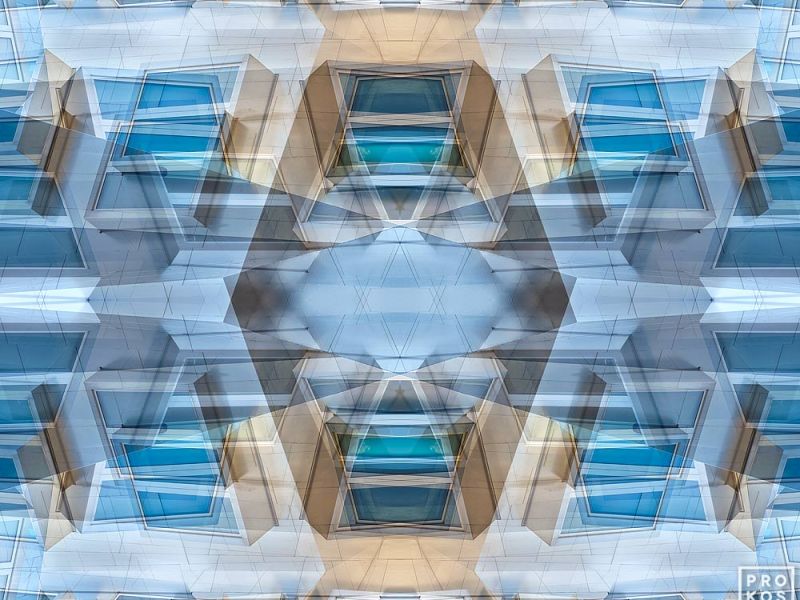
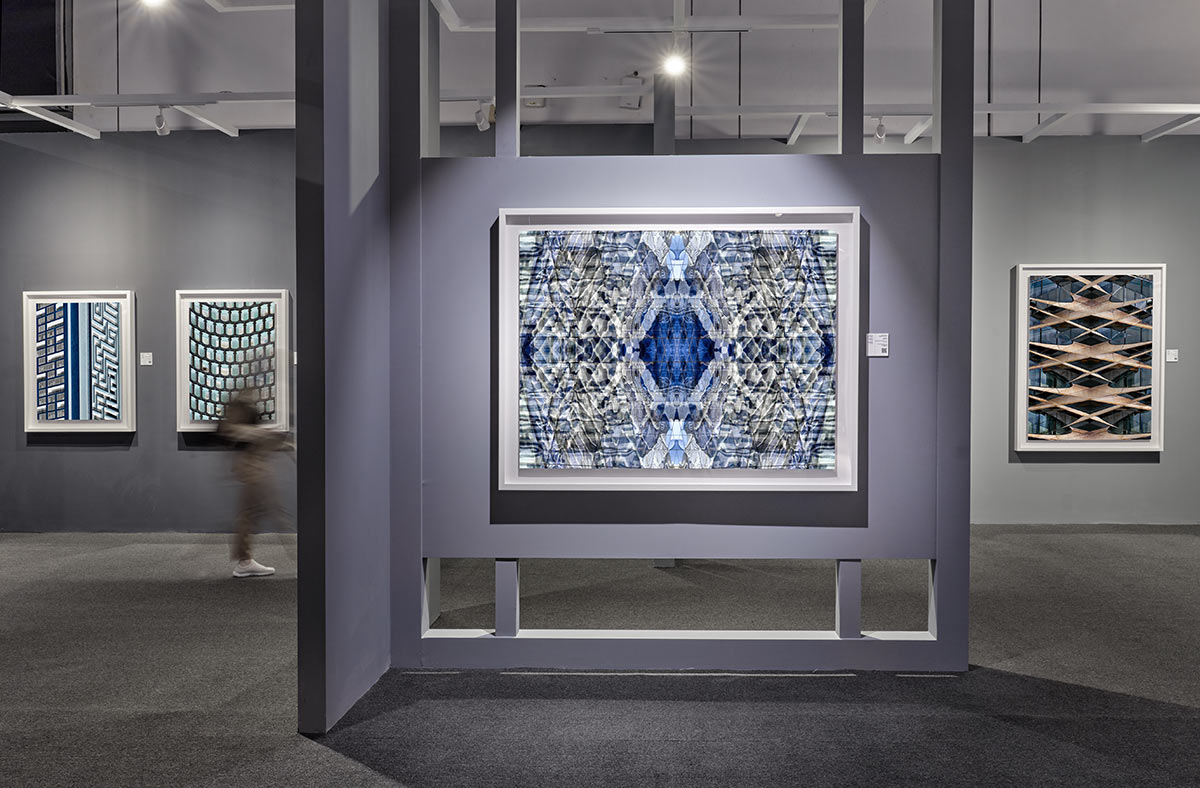
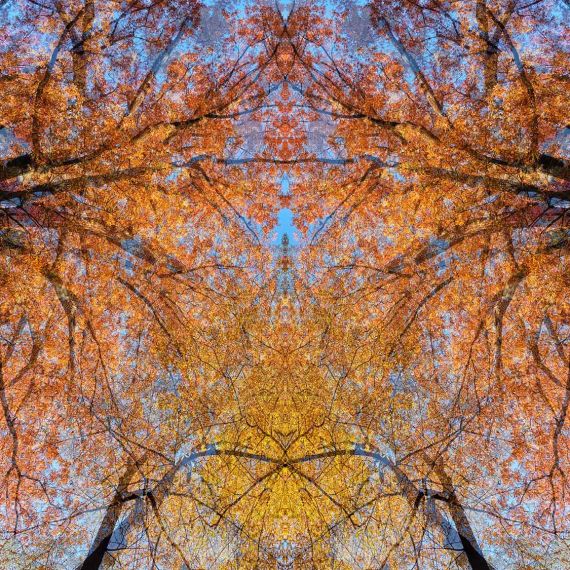
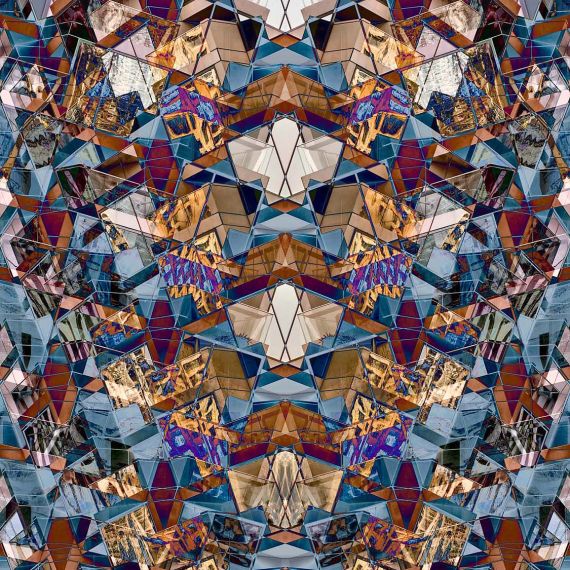
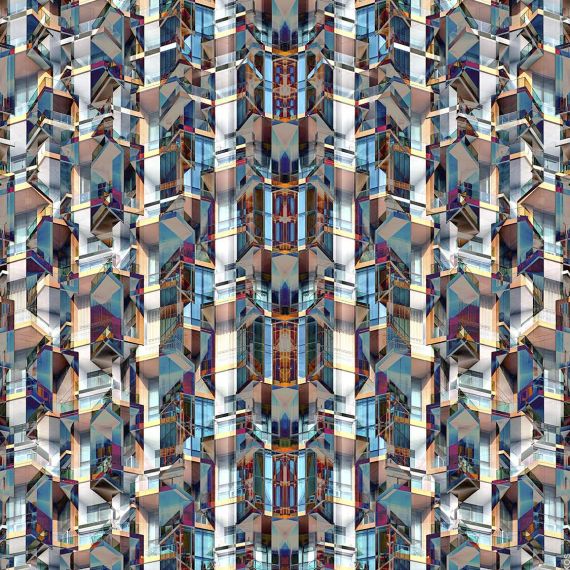
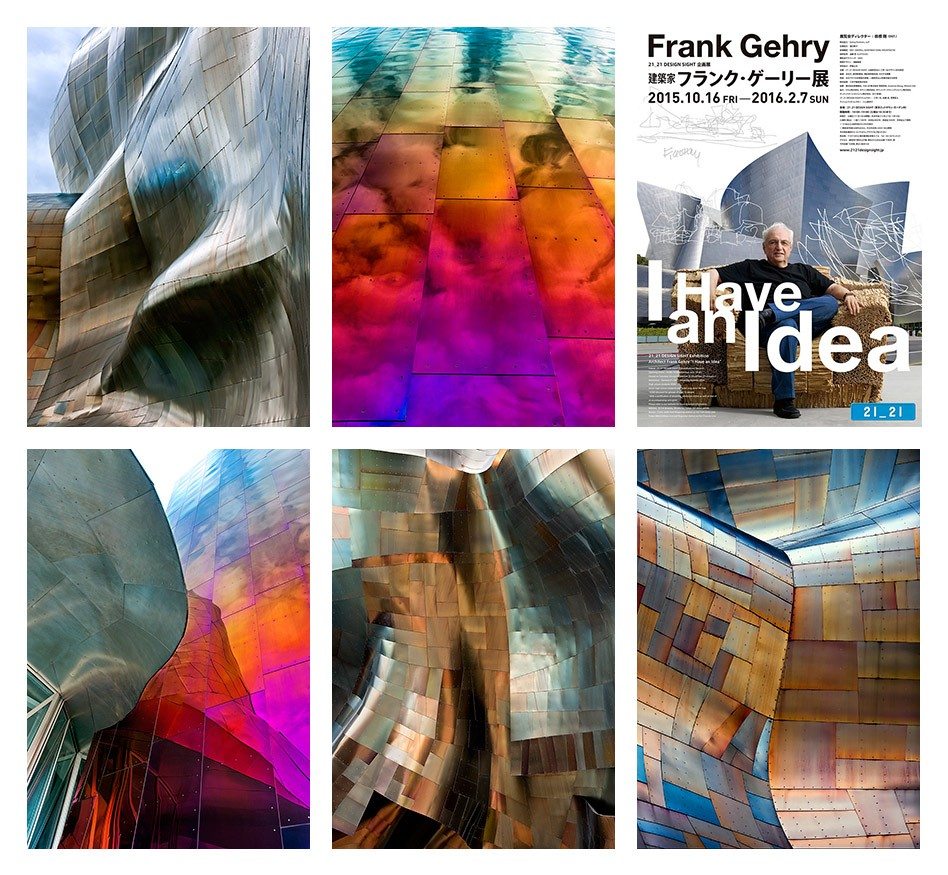
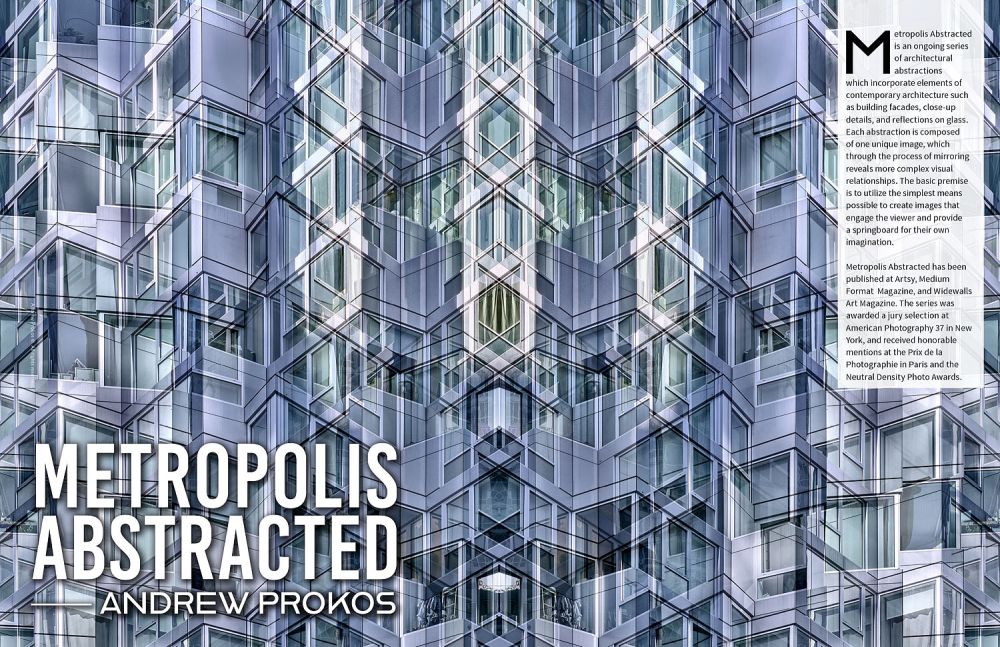
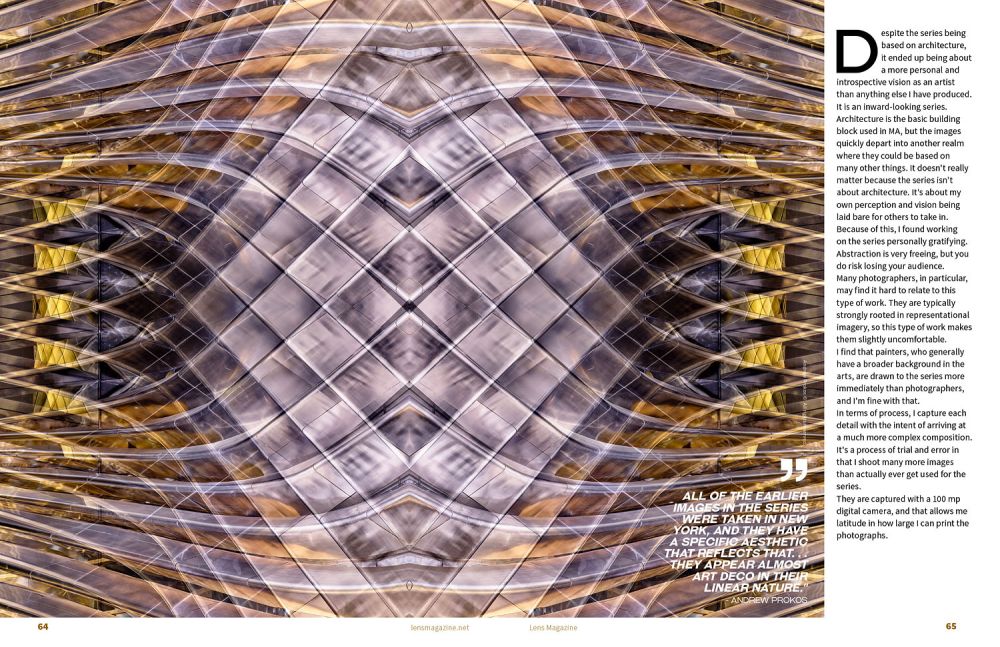
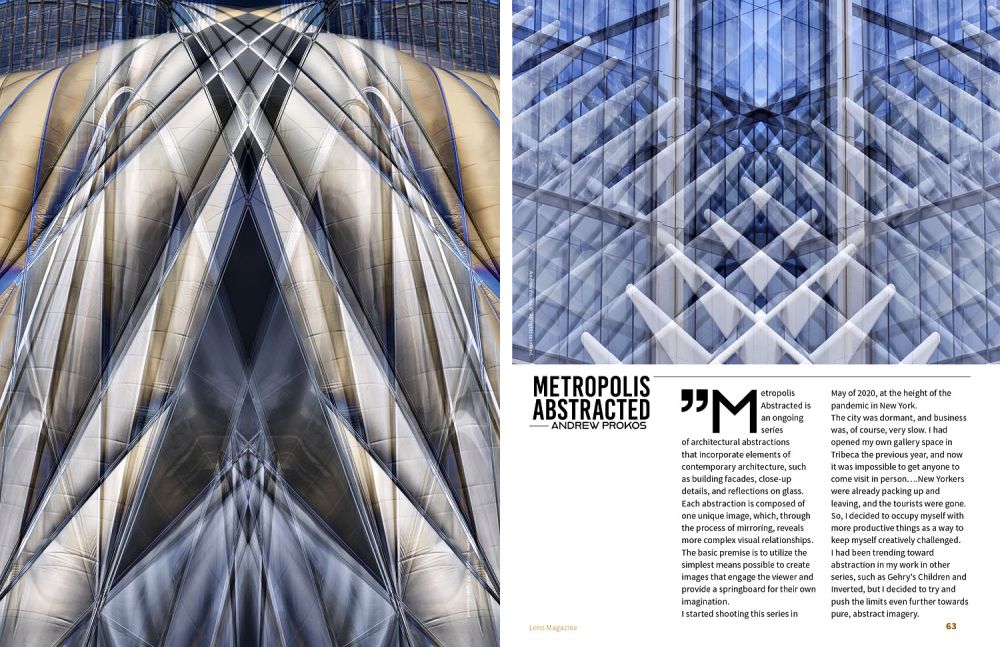
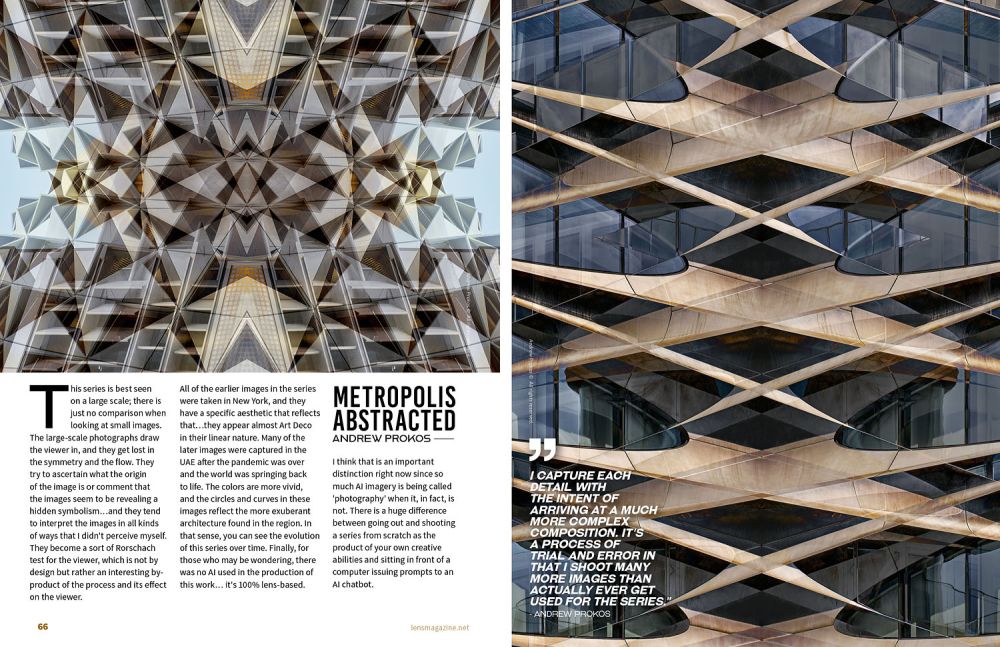
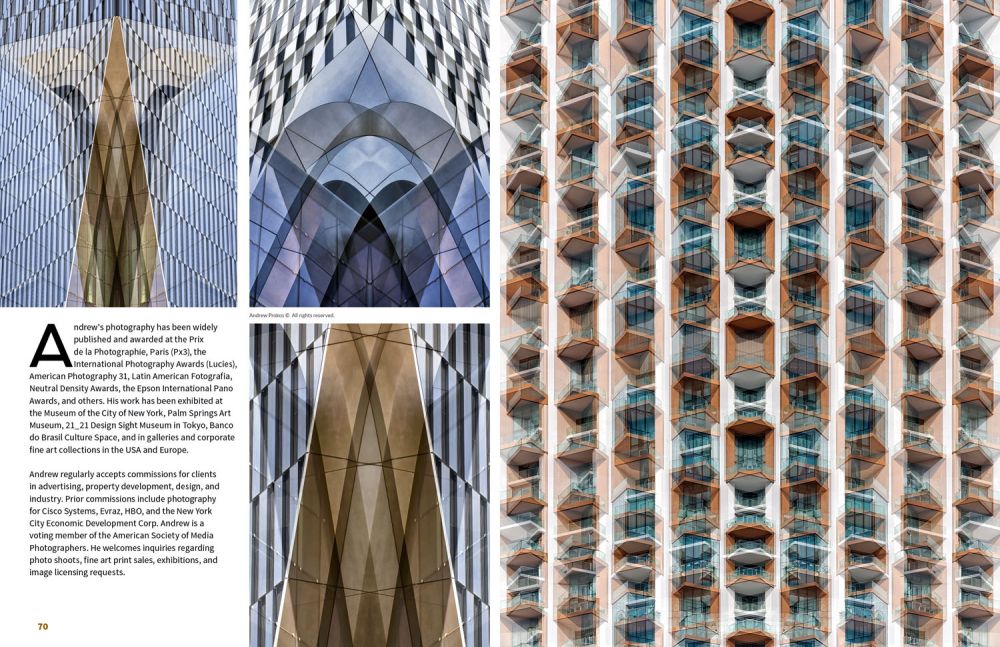
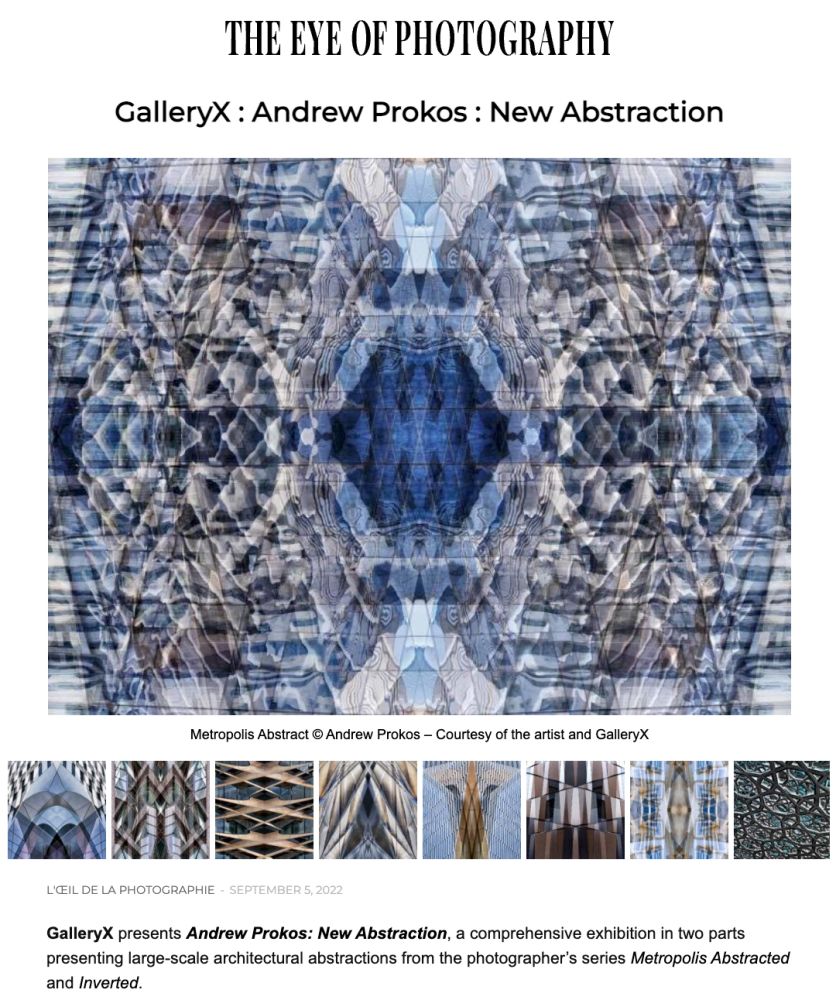
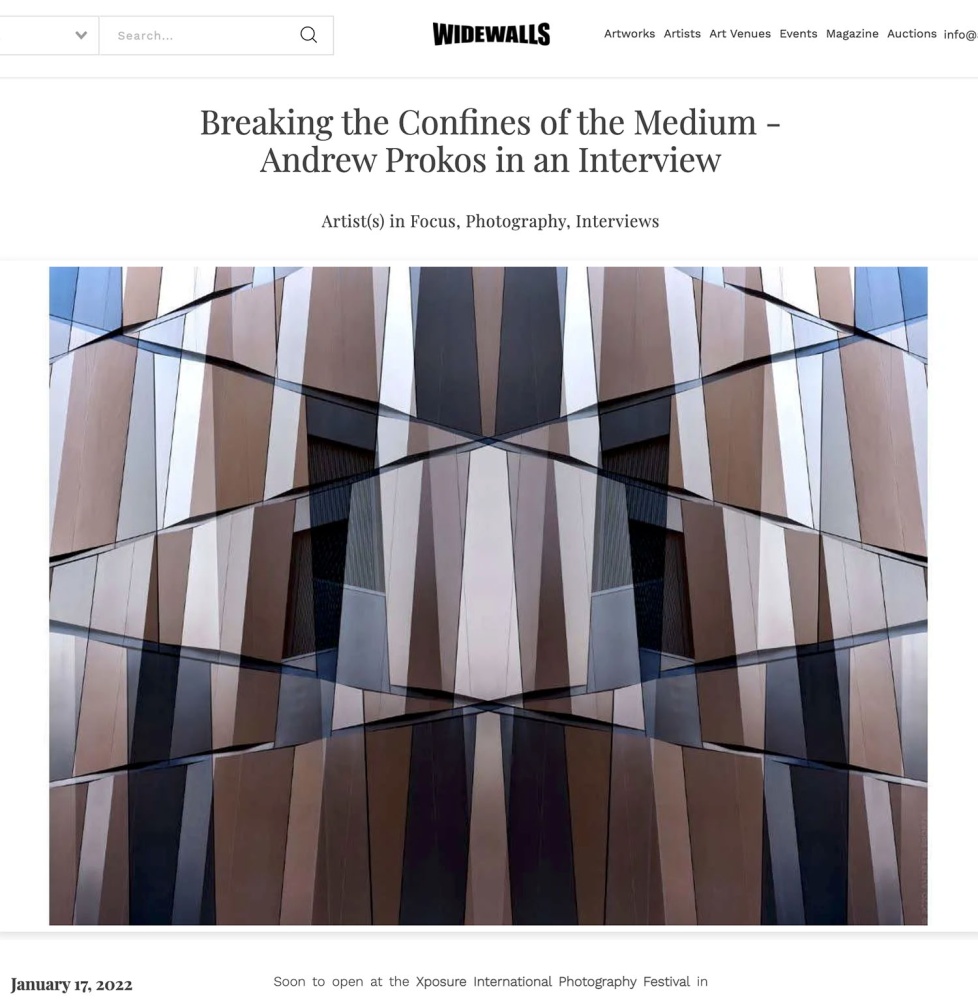
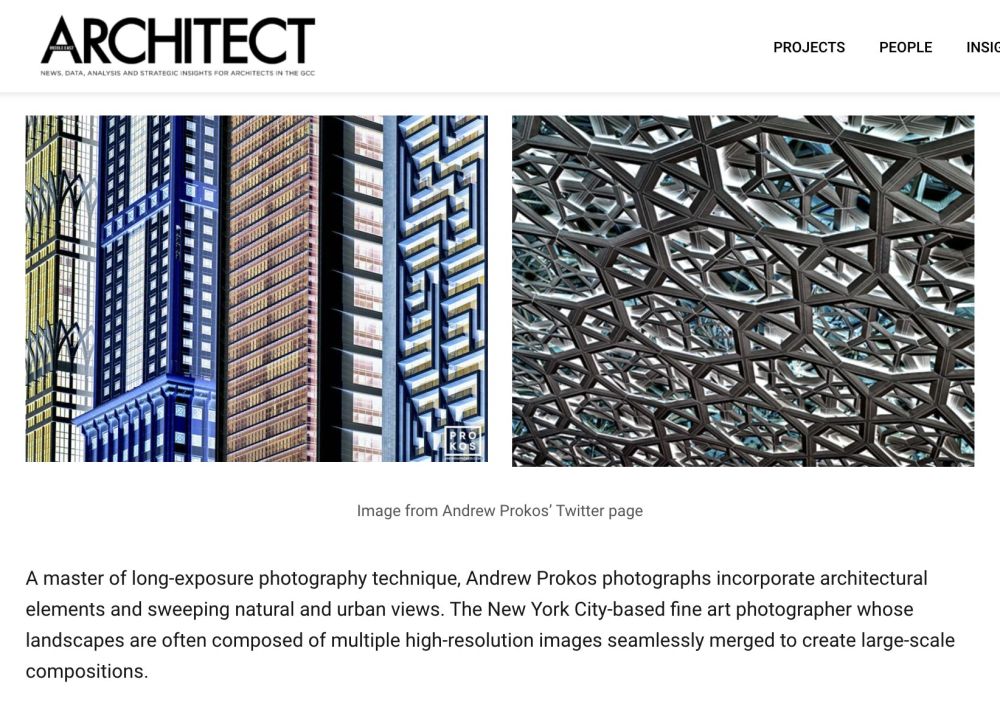
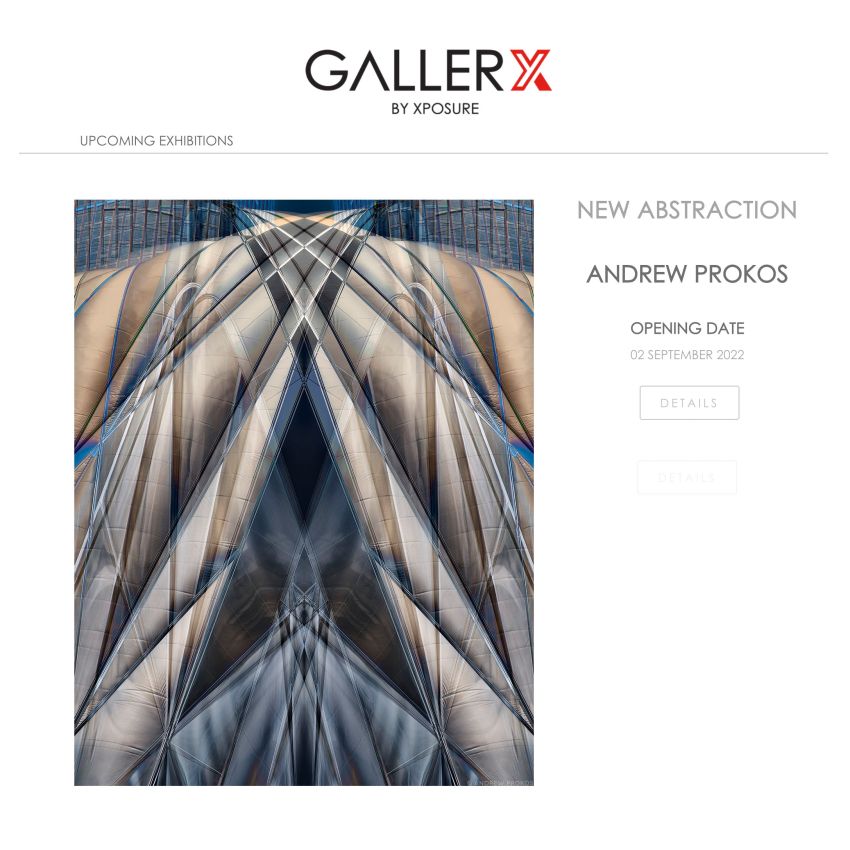
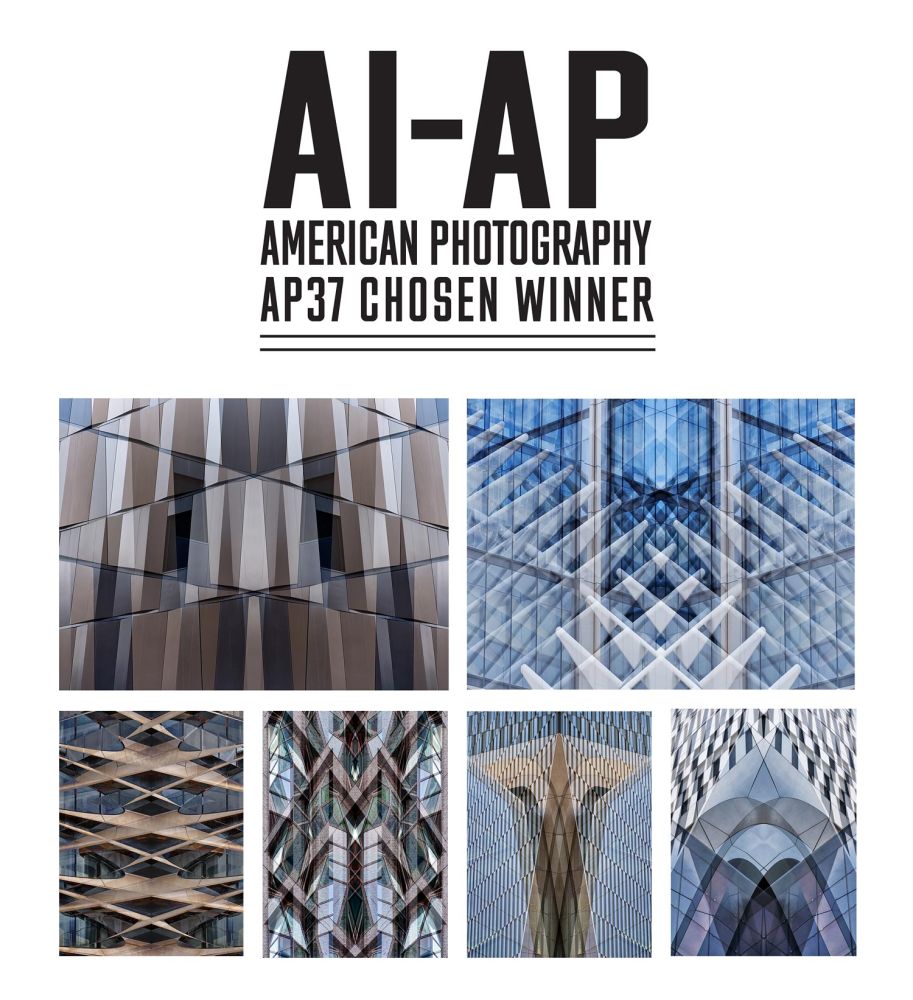
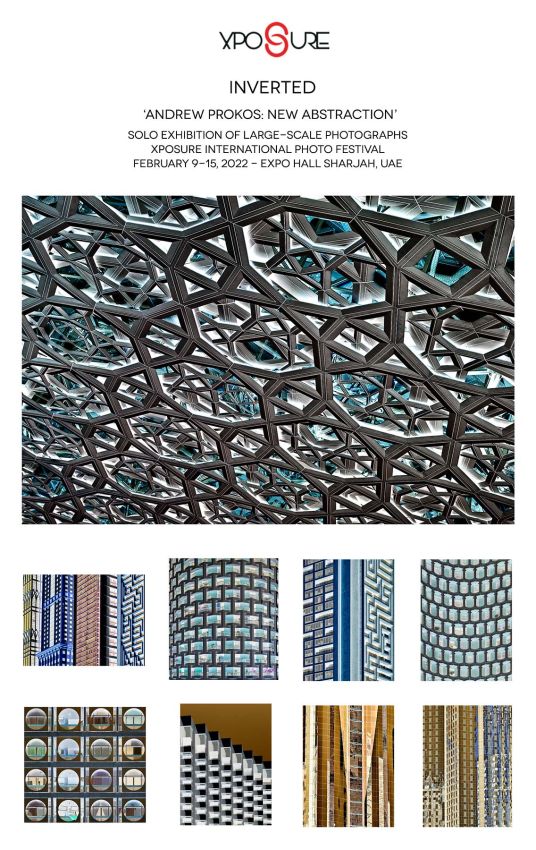
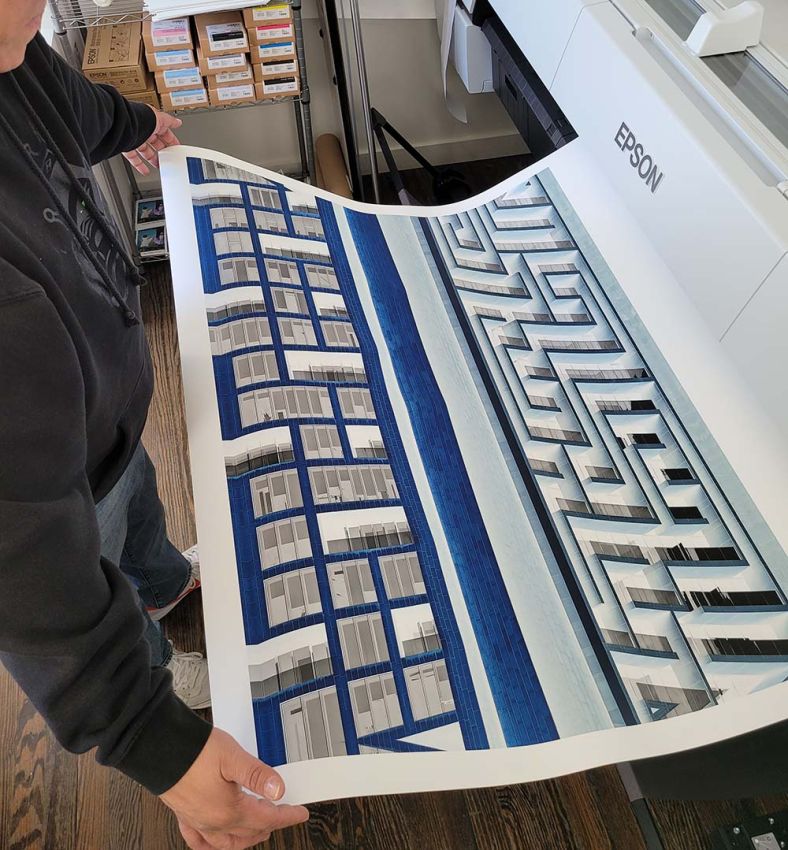
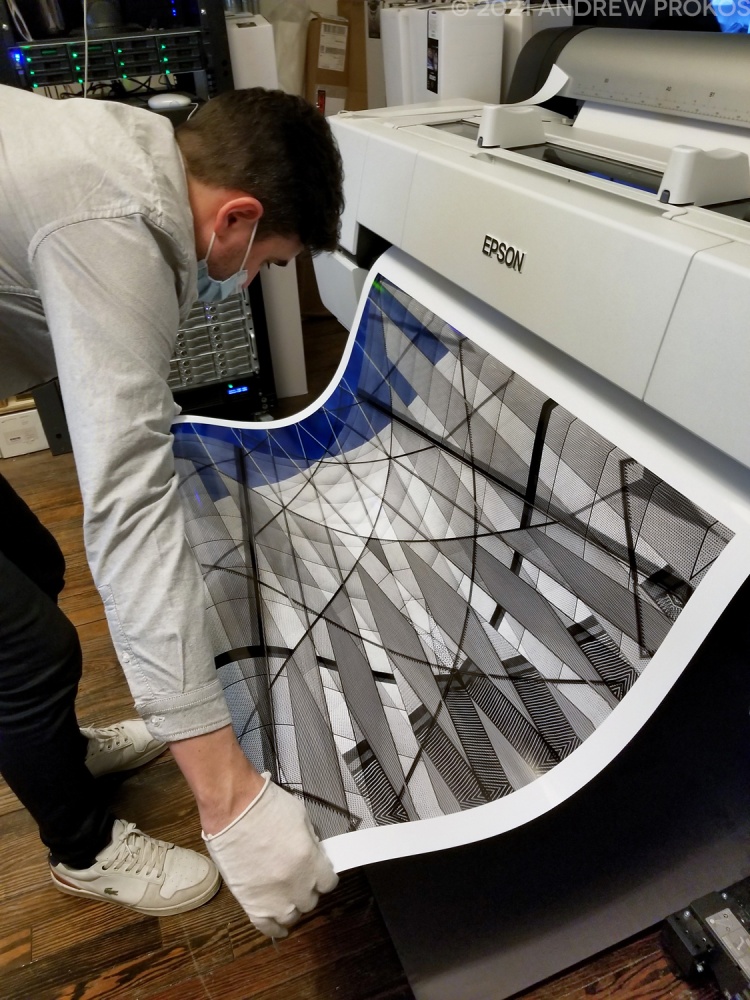
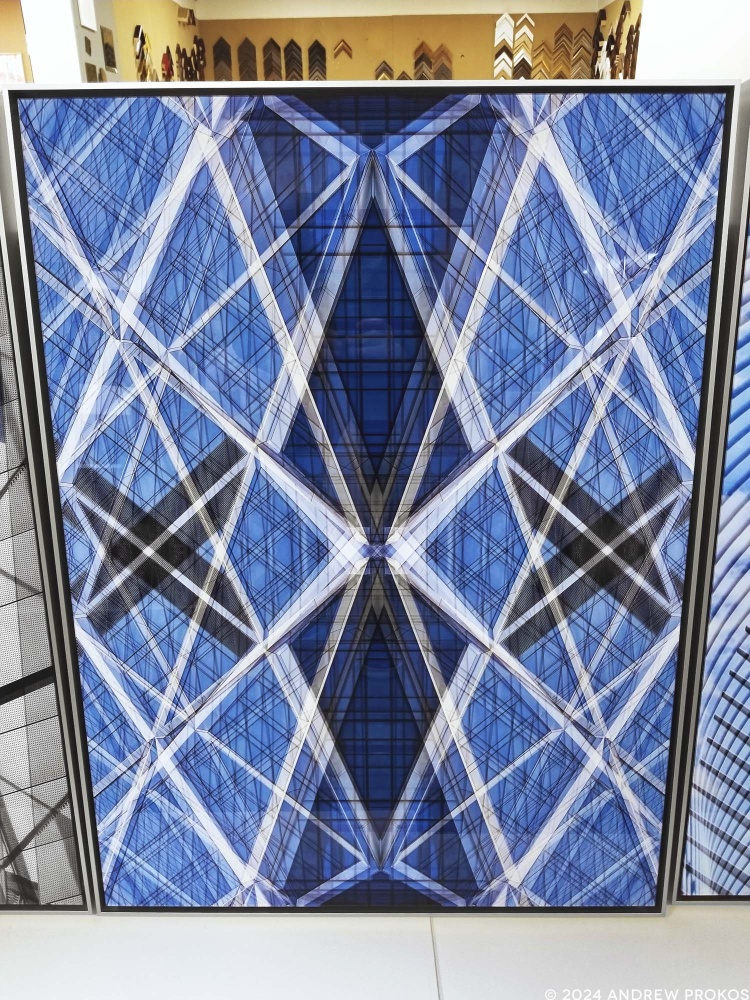
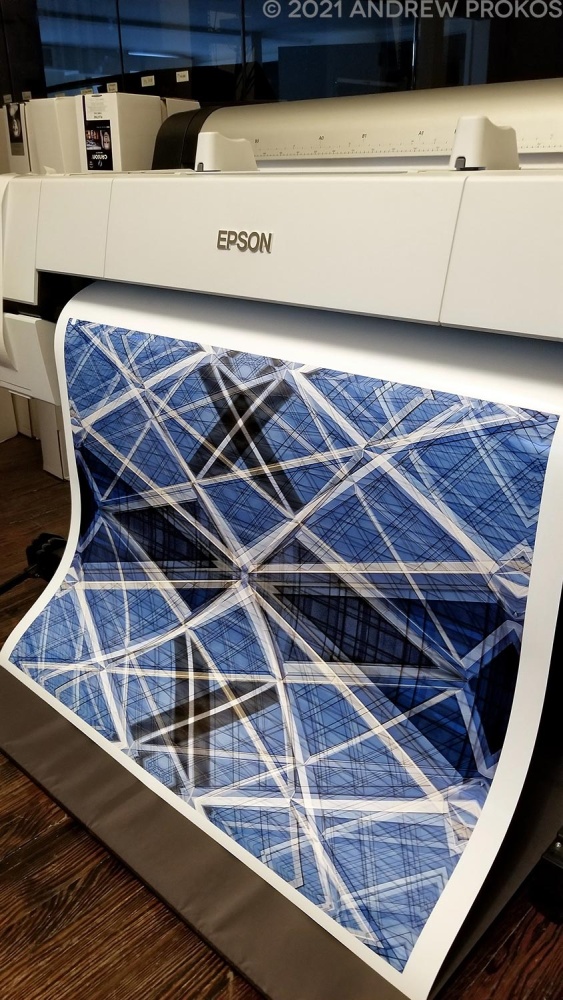
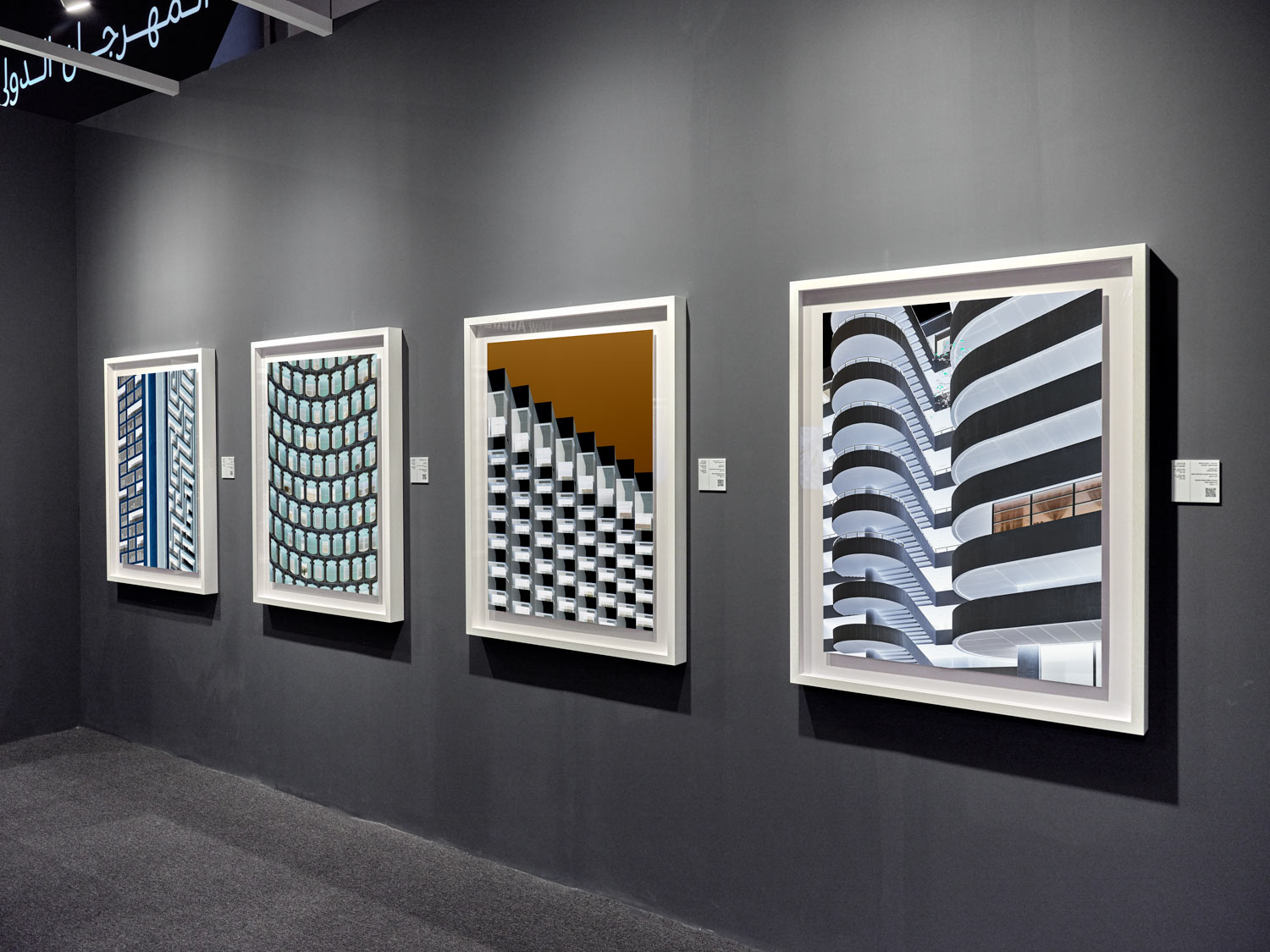
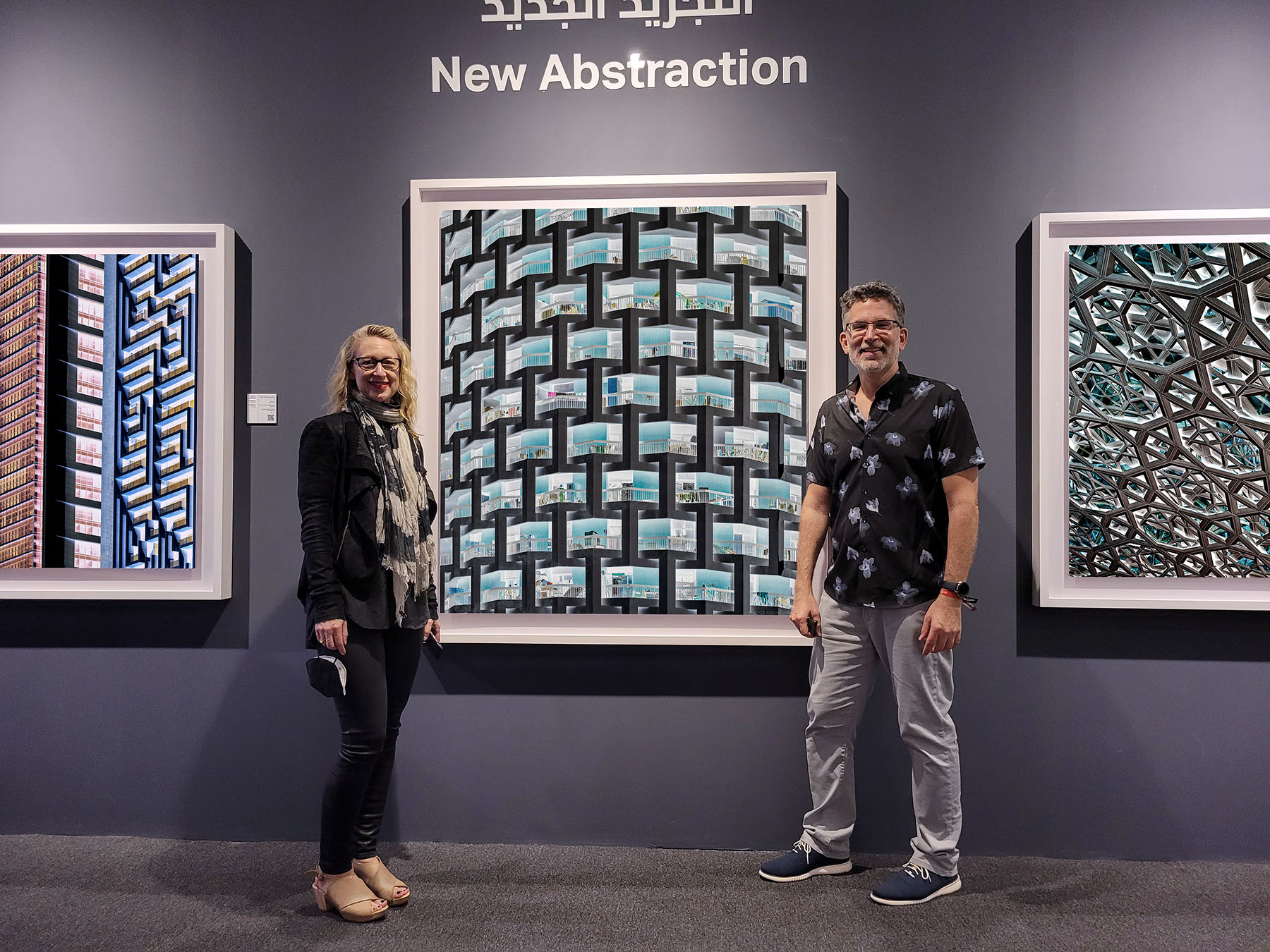
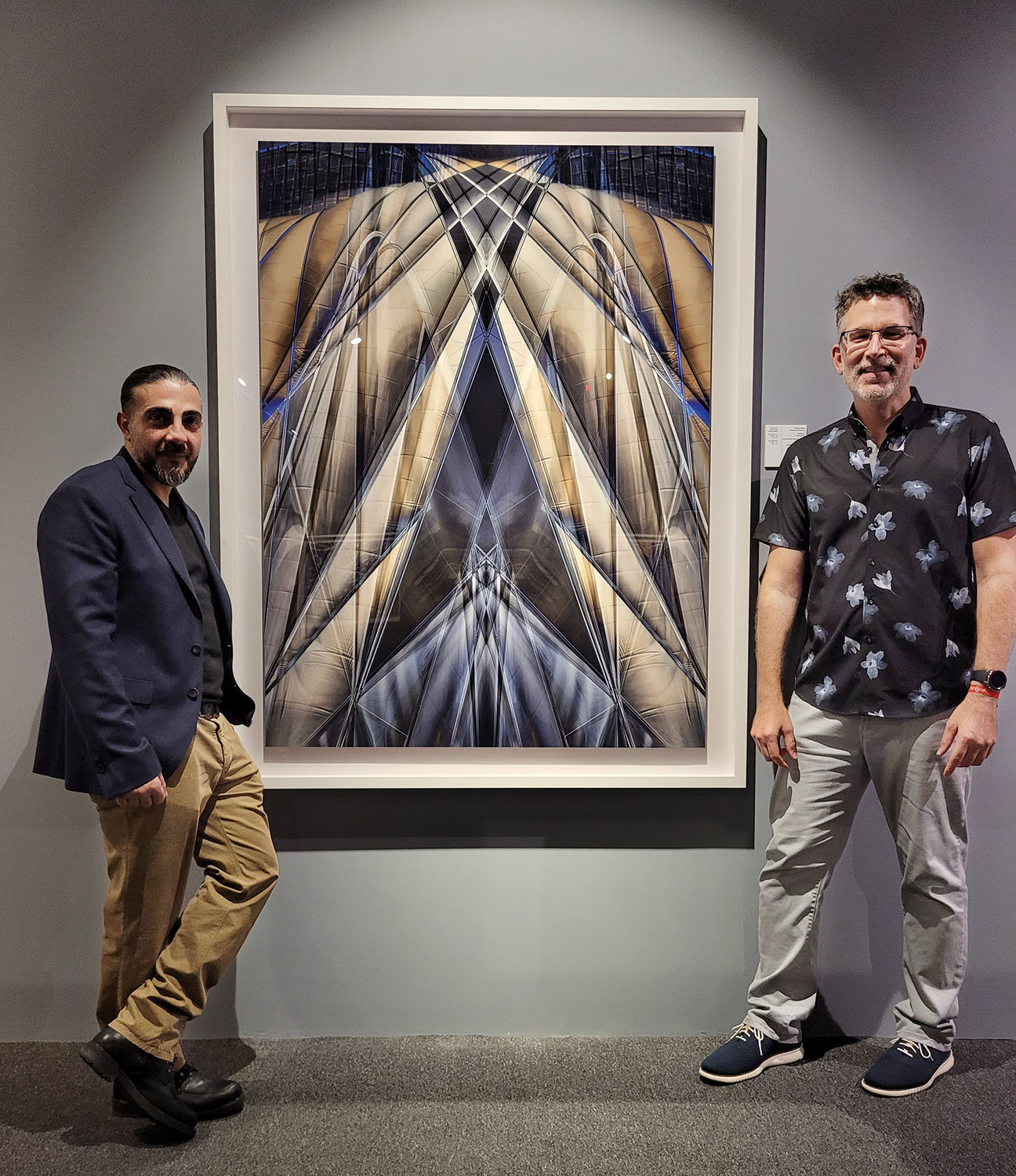
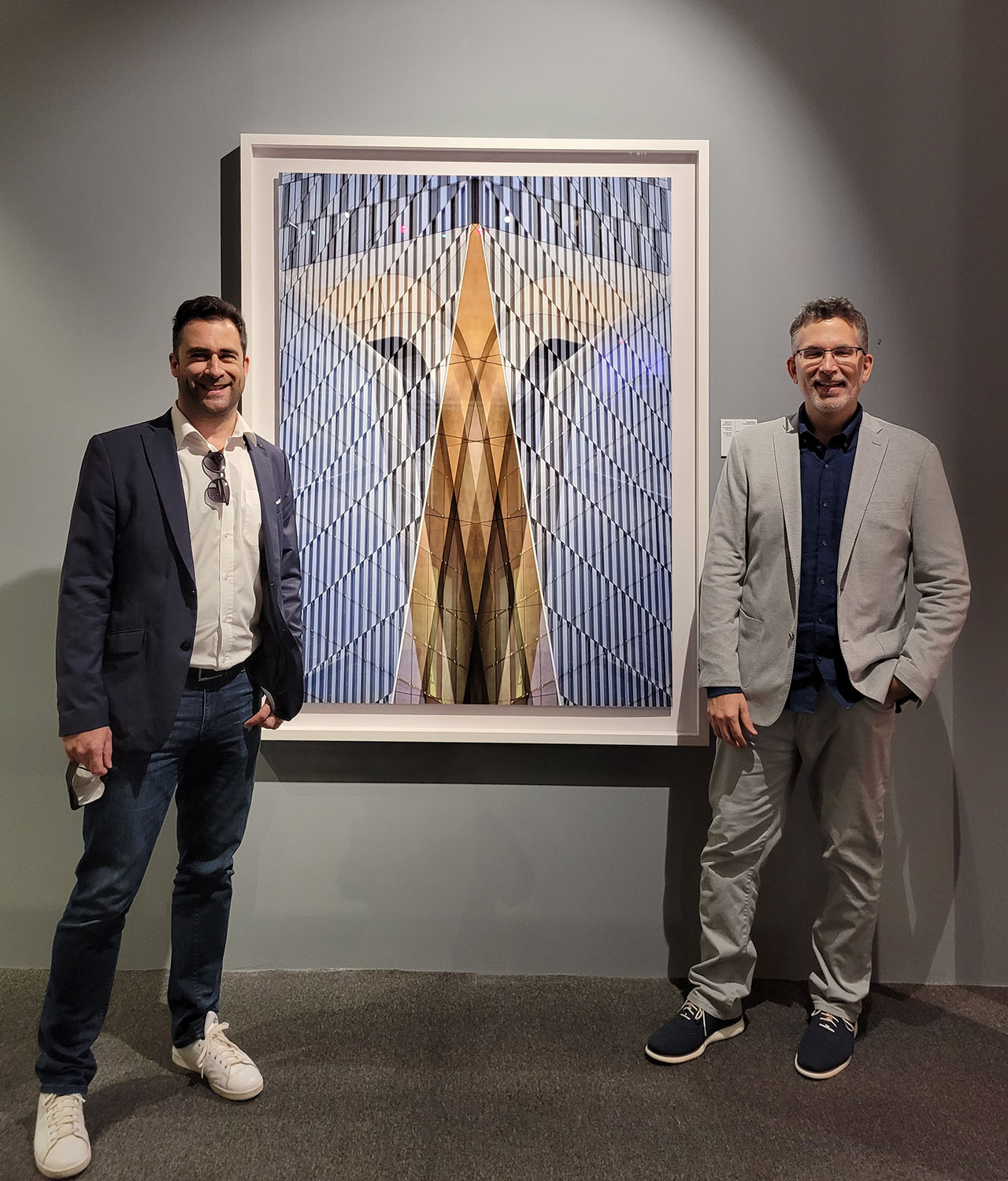
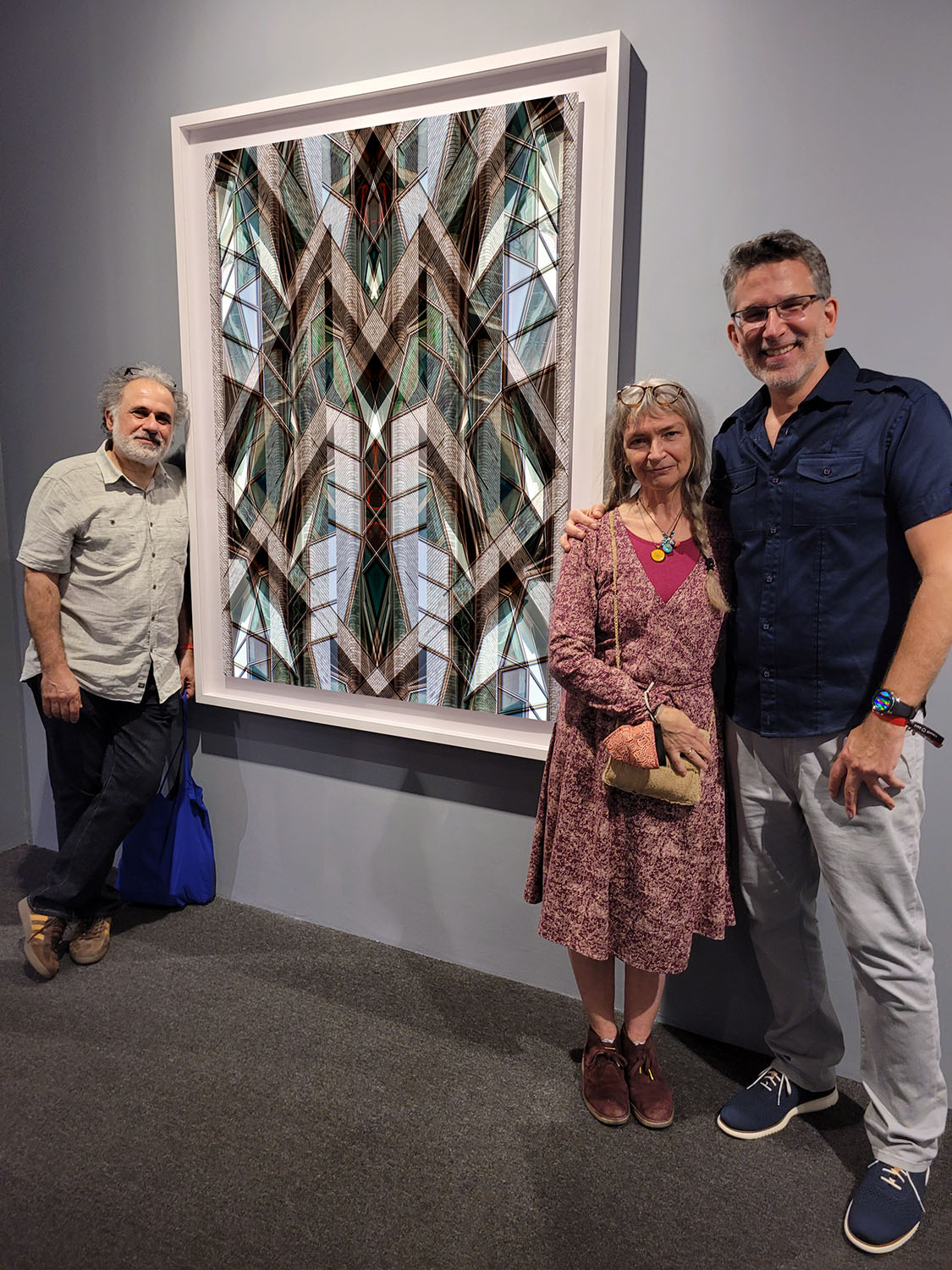
Photography does have a very distinct place in regards to abstraction, in that photographers have the ability to experiment with the concrete images they capture, escaping the confines that have been previously set for our medium. The photographer has the ability to capture the abstract image in-camera, as in the popular forms of ICM (Intentional Camera Movement) which abound on social media these days. Or we can create images which lend themselves to abstraction, such as my series Gehry’s Children, Audacity of Color, Metropolis Abstracted, Inverted, and Sylvan Landscapes…all very different forms of abstraction based on isolation of shapes and textures, repeated patterns, or mirroring of images. You can see larger images from these series in my next article 50 Beautiful Examples of Abstract Photography. You can see my entire abstract photography collection at the link below.
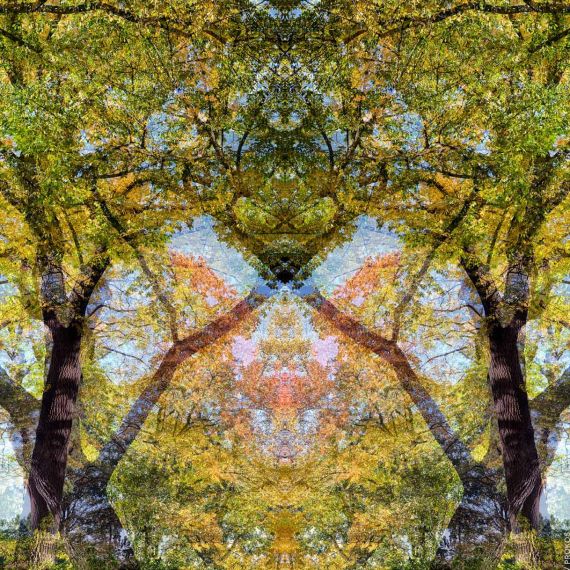
The role of abstraction in photography
Abstraction in photography involves capturing images that may not immediately represent recognizable objects or scenes. Instead, it focuses on elements such as color, form, texture, and composition to evoke emotions, ideas, and impressions. Abstraction plays several roles in photography:
– Expression: Abstraction allows photographers to convey emotions, moods, or ideas through visual elements without relying on literal representation. By abstracting reality, photographers can create images that provoke feelings or stimulate the imagination of the viewer.
– Innovation: Abstraction encourages photographers to experiment with unconventional techniques, new perspectives, and more obscure subject matter. It provides opportunities for creative expression and innovation, allowing photographers to push the boundaries of traditional photography.
– Interpretation: Abstraction invites viewers to interpret and engage with photographs in their own unique ways. By presenting familiar subjects in unfamiliar ways or by capturing obscure details, abstraction prompts viewers to reconsider their perceptions of the world around them.
– Conceptual Exploration: Abstraction in fine art photography often intersects with conceptual and philosophical themes. Photographers may use abstraction to explore ideas related to identity, memory, perception, or the nature of reality.
– Aesthetics: Abstract photographs can be appreciated for their aesthetic properties alone. Whether it’s through the use of bold colors, dynamic shapes, or interesting textures, abstract photographs have the power to captivate purely on a visual level.
Overall, abstraction continues to play a vital role in fine art photography by offering photographers a means of creative expression, encouraging viewers to engage with photographs in new ways, and contributing to ongoing conversations about the nature and possibilities of the medium.
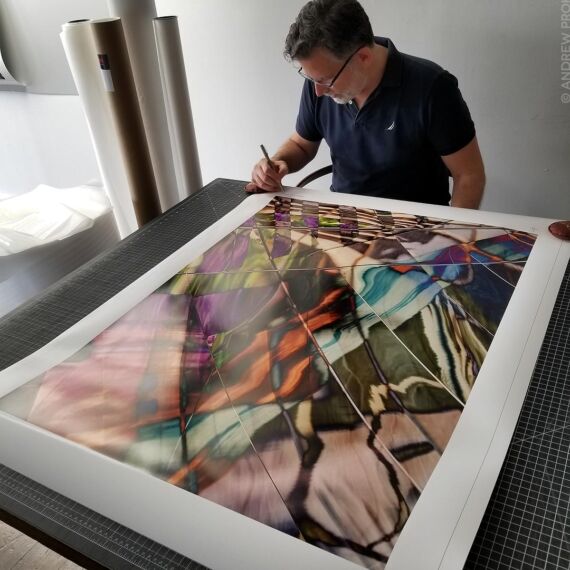
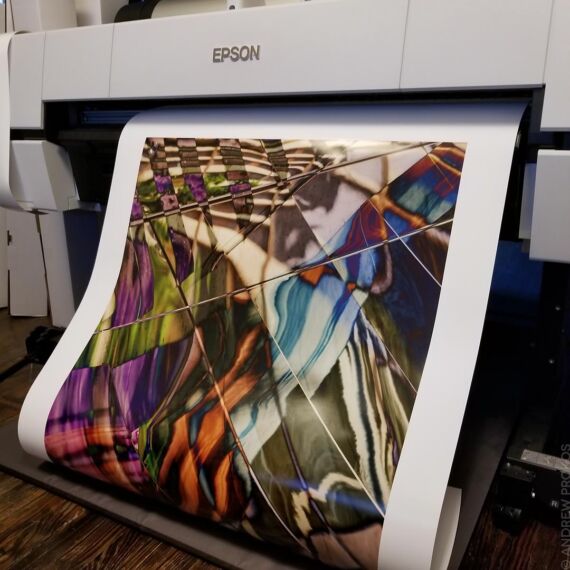
When is abstract photography ‘successful’?
It is broadly assumed that creating abstract art is an easy way out for less talented artists to just make anything up and call it art. This was certainly the case for painting long before abstraction in photography became prevalent. The hostility that abstract painters faced from the art critics and from the public was enormous. Photographers have mostly escaped that kind of criticism, but the subtle prejudice among photographers regarding this genre is still in place.
But there are definite ways to determine whether a work of absract art is successful or not. Artists (and photographers) who have a good command of the language of abstraction have mastered composition, color contrast, texture, and various techniques which they employ in the creation of their abstract works. They communicate their ideas and the emotion behind their work through harmonious composition. An exceptional abstract painting or photograph elicits an emotional response from the onlooker. Good abstract art commands the viewer’s attention and holds it.
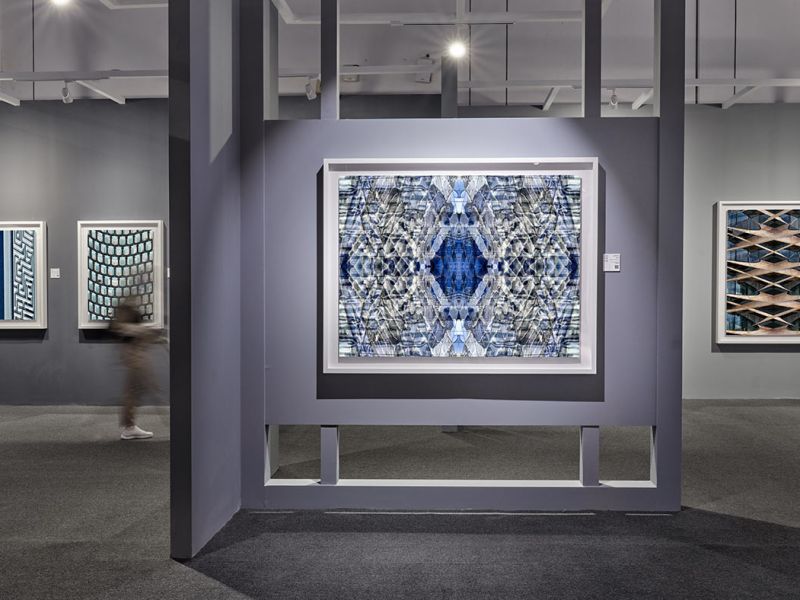
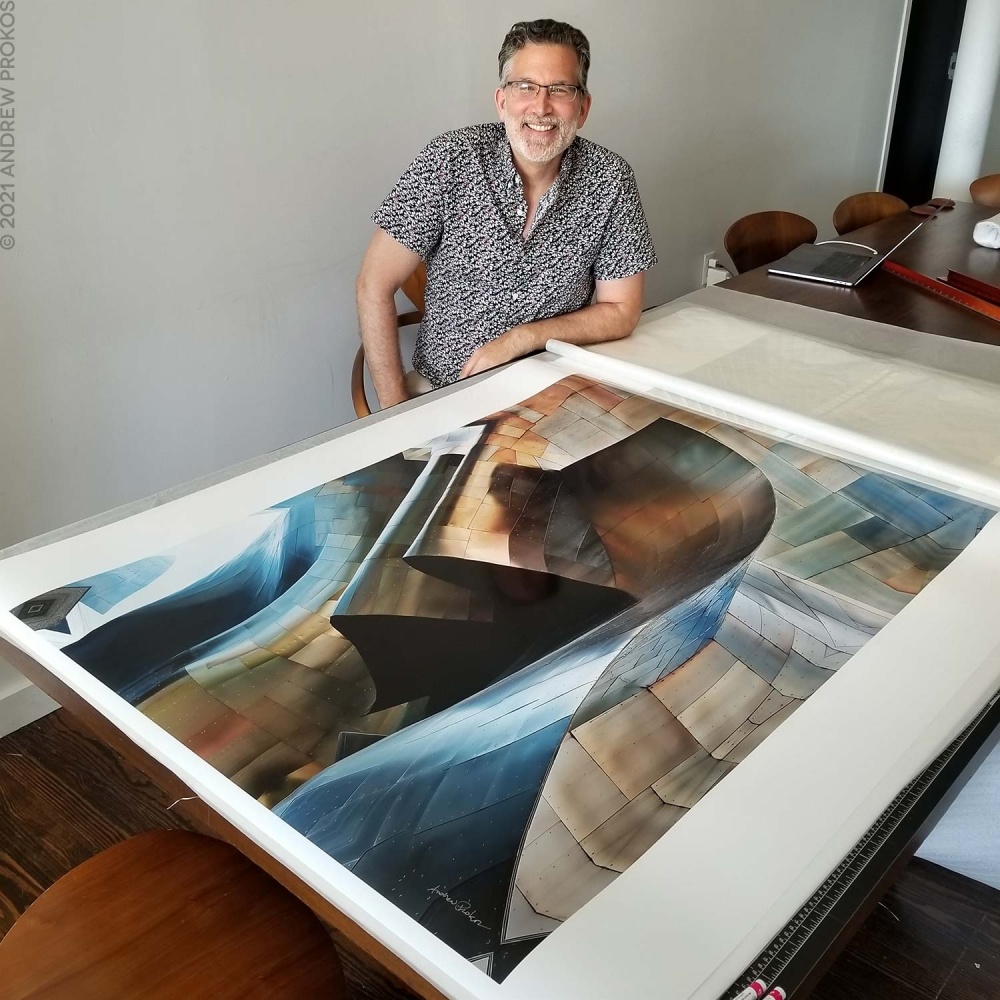
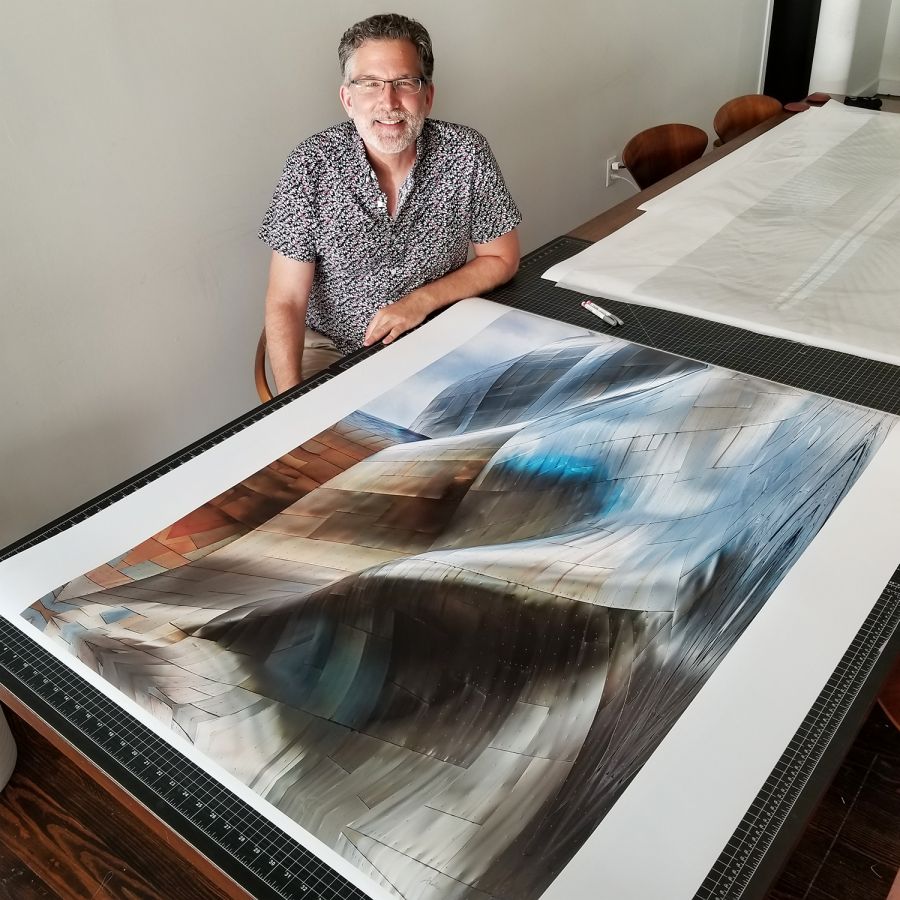
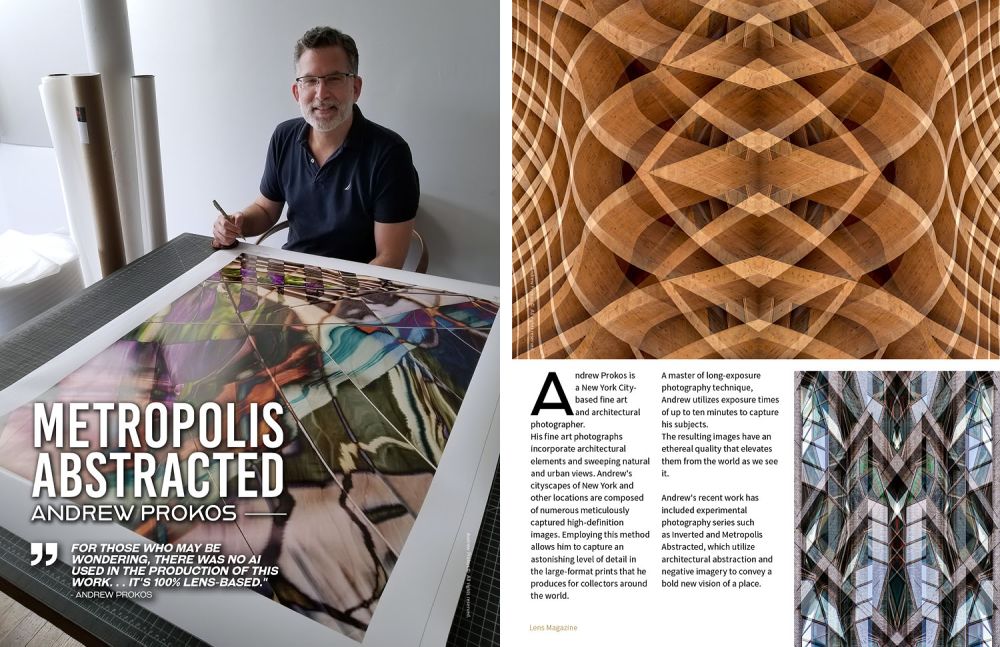
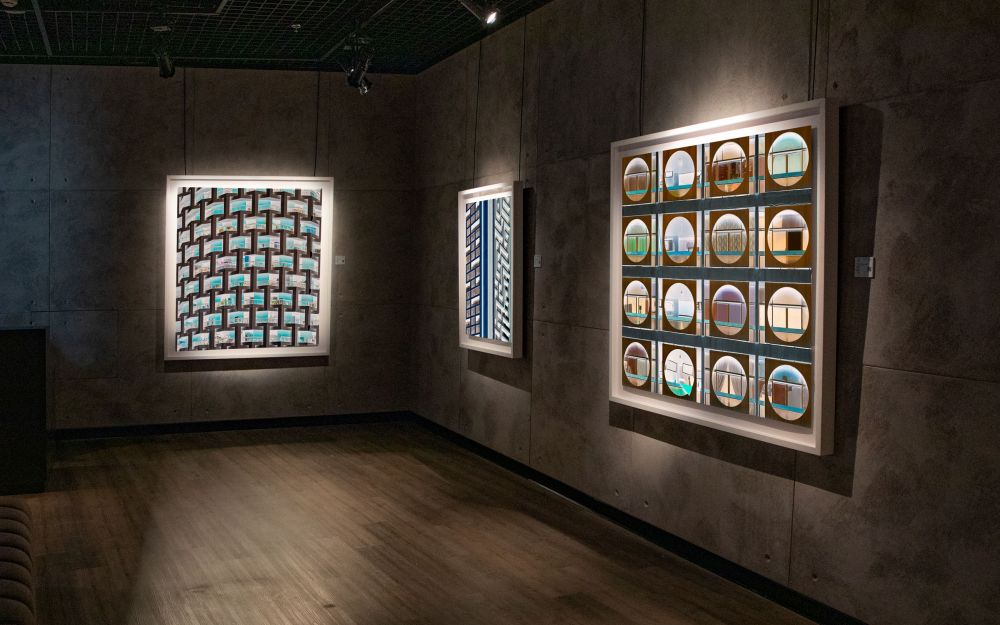
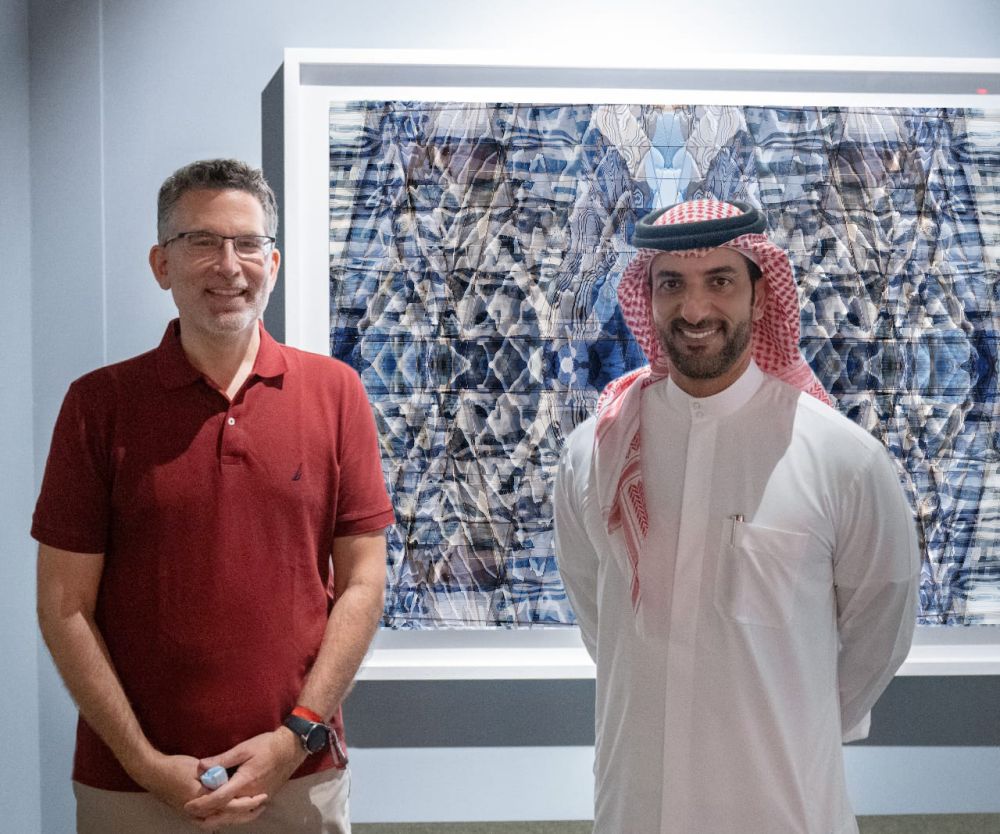
I am speaking from personal experience, as I have seen this at play with my own work. I found it fascinating to watch people be held in place while they looked at my large-scale pieces from Metropolis Abstracted and Inverted. During the creation of these works I certainly could not be certain that they would be successful works of abstract art, but I did have a hunch. If they were able to hold my own attention as the creator and to “push my buttons” in terms of the feeling you get when you see something new and innovative, well then I had an idea that that sentiment would be passed along to the viewer as well. Making abstract art (photographs) is a risk, and not a small one.
The motivation to create
So why would a photographer want the challenge of creating this kind of work, and of taking the risk that it might fail miserably? I was motivated to dive headlong into abstraction for two main reasons:
– I had worked at the Metropolitan Museum of Art when I was younger and had experienced the fascination of abstract painting and sculpture up close. I developed an affinity for abstraction at the Museum which stayed with me throughout my career.
– I had grown less motivated to create the same types of images I had been creating for years, and I needed to start thinking and seeing in a new way as an artist.
I had been thinking about creating abstract series for years, but focused on revenue producing imagery such as the cityscapes that were my ‘bread and butter’ as a photographer. As my career progressed, it became more important to me to express myself creatively and to speak with a unique voice as an artist. Not that creating large scale urban scenes and architecture wasn’t creative, but I had done that for years and it was wearing me down.
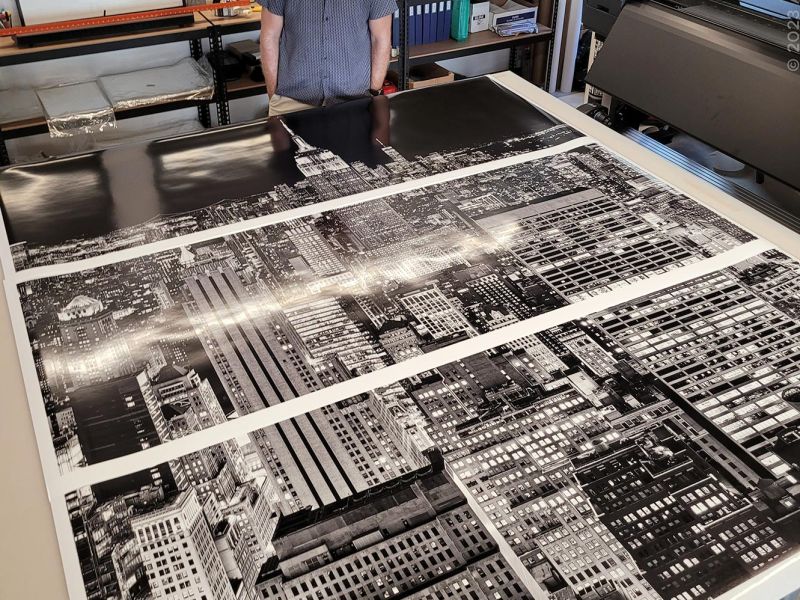
The pandemic came along and finally presented me with time to slow down and think about what I wanted, not just in terms of making sales, but creatively. In other words, I allowed myself the time to play again as a photographer…like I did when I was an amateur and didn’t earn a cent from my work. New York City was empty…the streets were empty, the trains were empty…I had the city to myself. I took that opportunity and ran with it. This is the origin of Metropolis Abstracted. The series was started in May of 2020 during the height of the pandemic.
A demand for abstract art
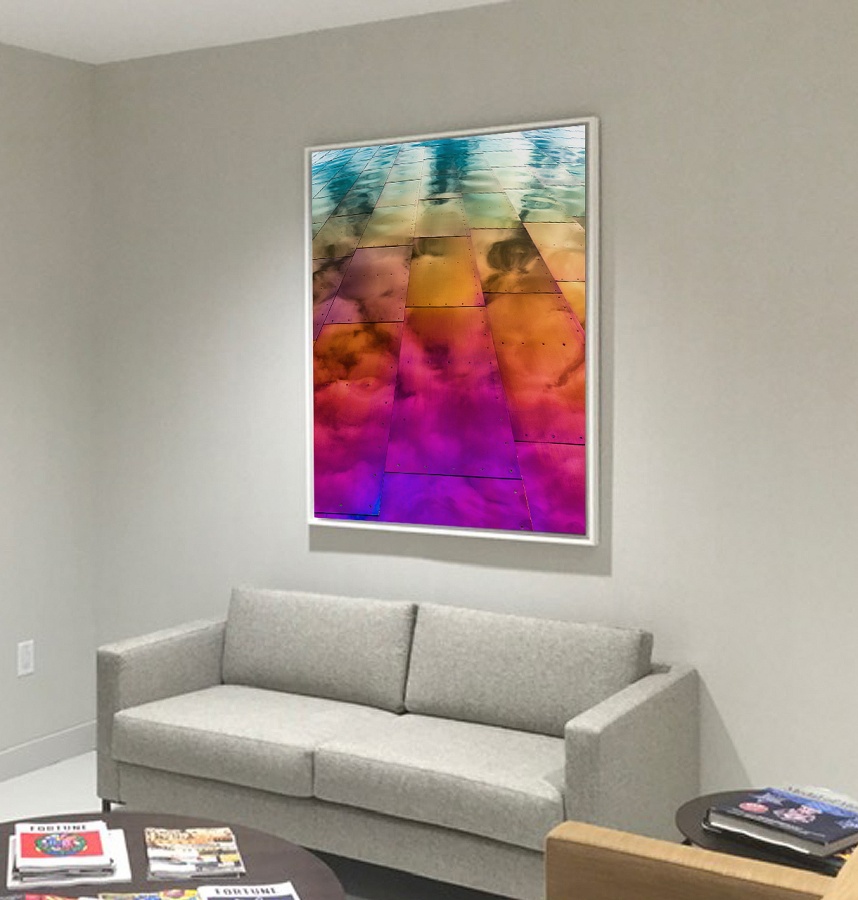
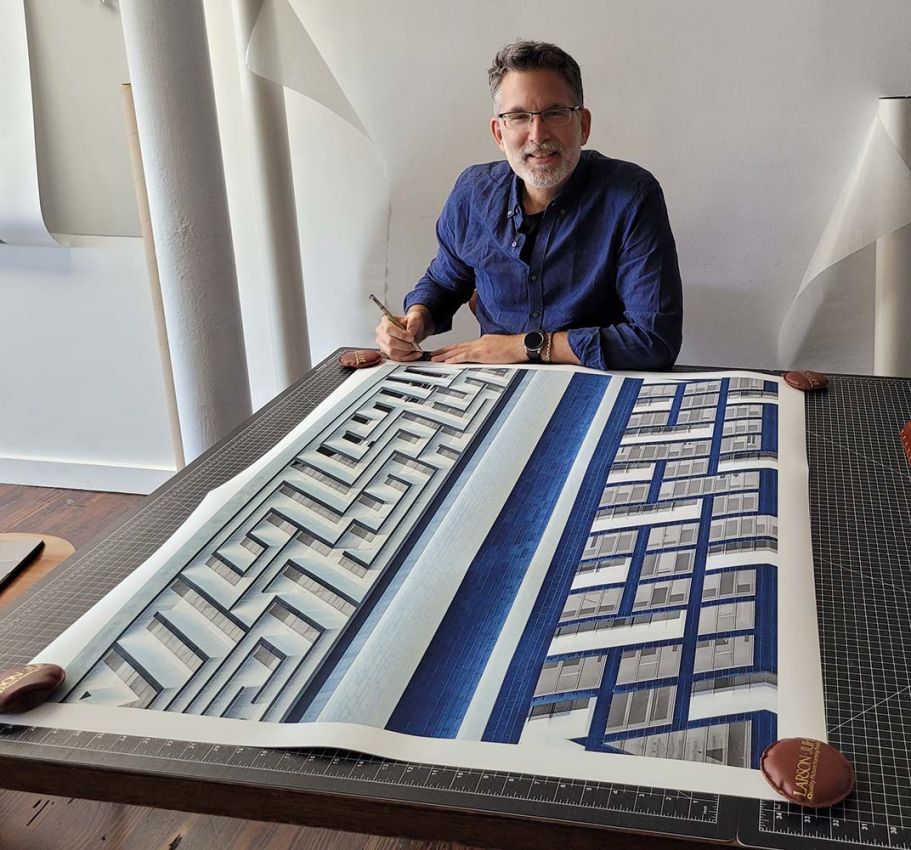
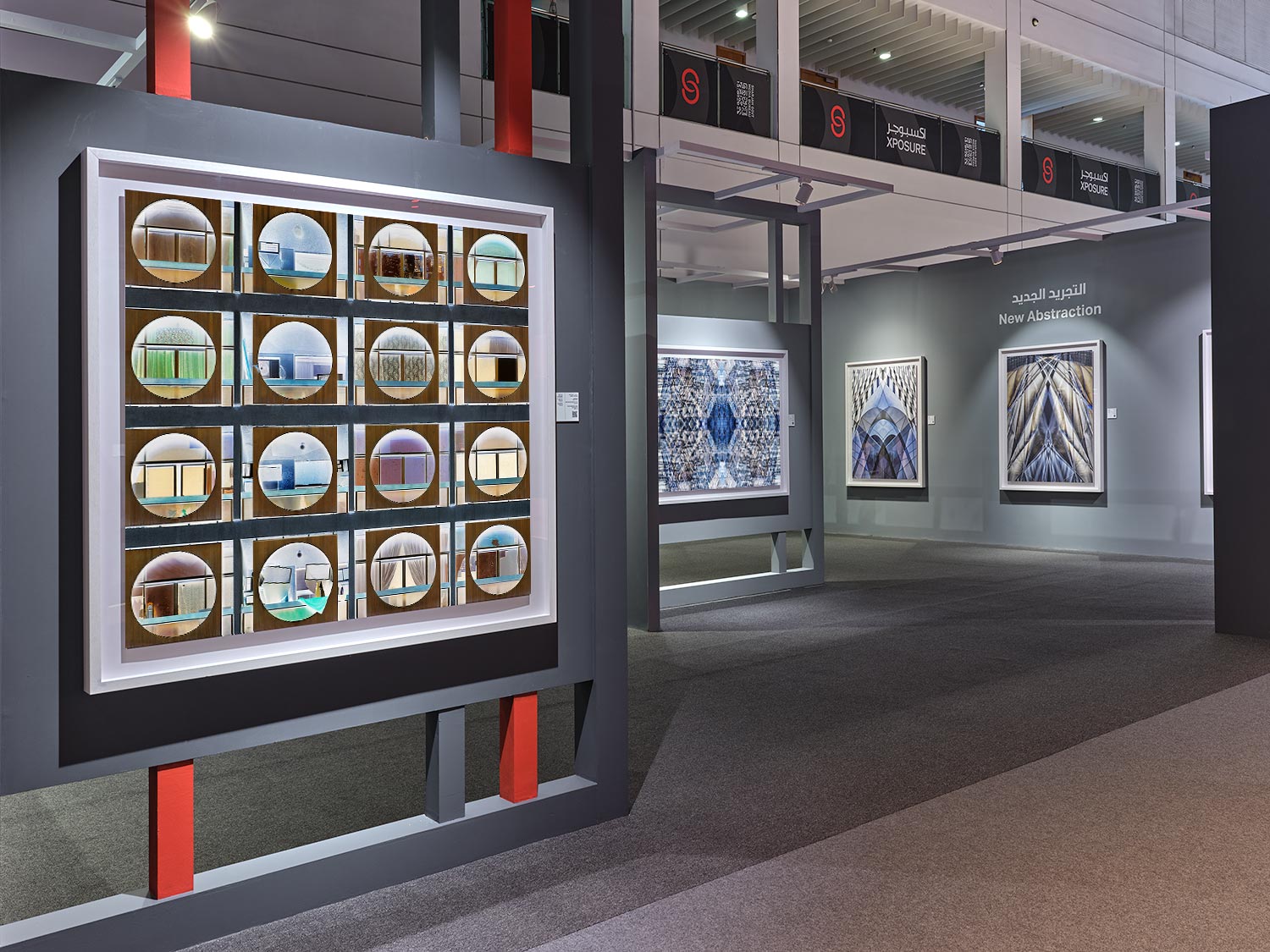
I have explained my own motivation for creating abstract photographs, but you may wonder if there is actually a market for this type of work? The answer is a qualified yes. I say ‘qualified’ because the market isn’t nearly as large as the market for conventional photography. The typical buyer of abstract art is generally a more educated type of collector…someone who is interested in having works of thought-provoking contemporary art in their home. That isn’t the majority of customers by any means. Abstract photographs typically have a small but devoted collector base and they are typically sought by galleries and art consultants that present artists with unique perspectives. Abstract photographs can, and do, get purchased as a more economical alternative to painting. In that sense, abstract photography has somewhat usurped the role of abstract paintings.
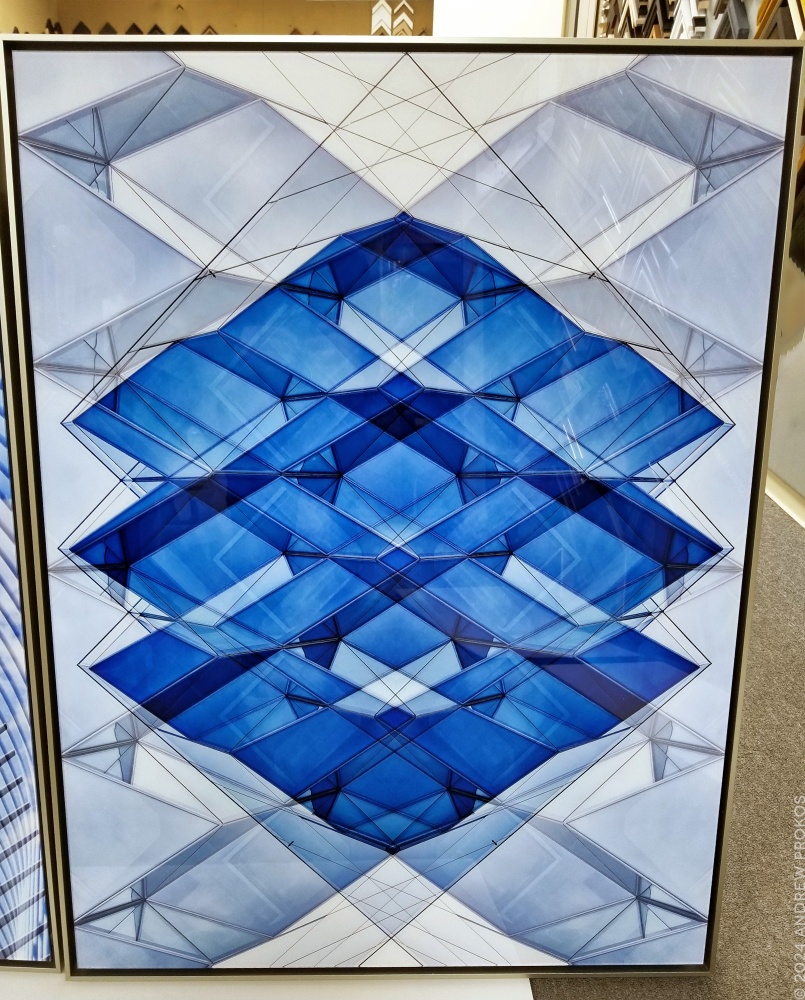
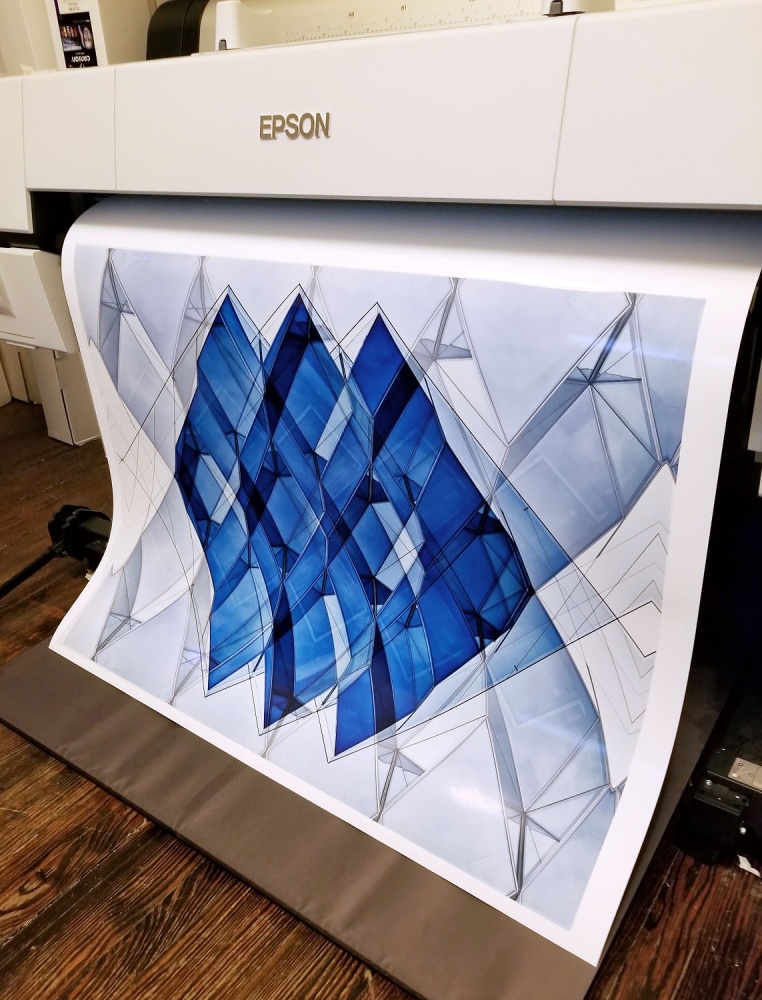
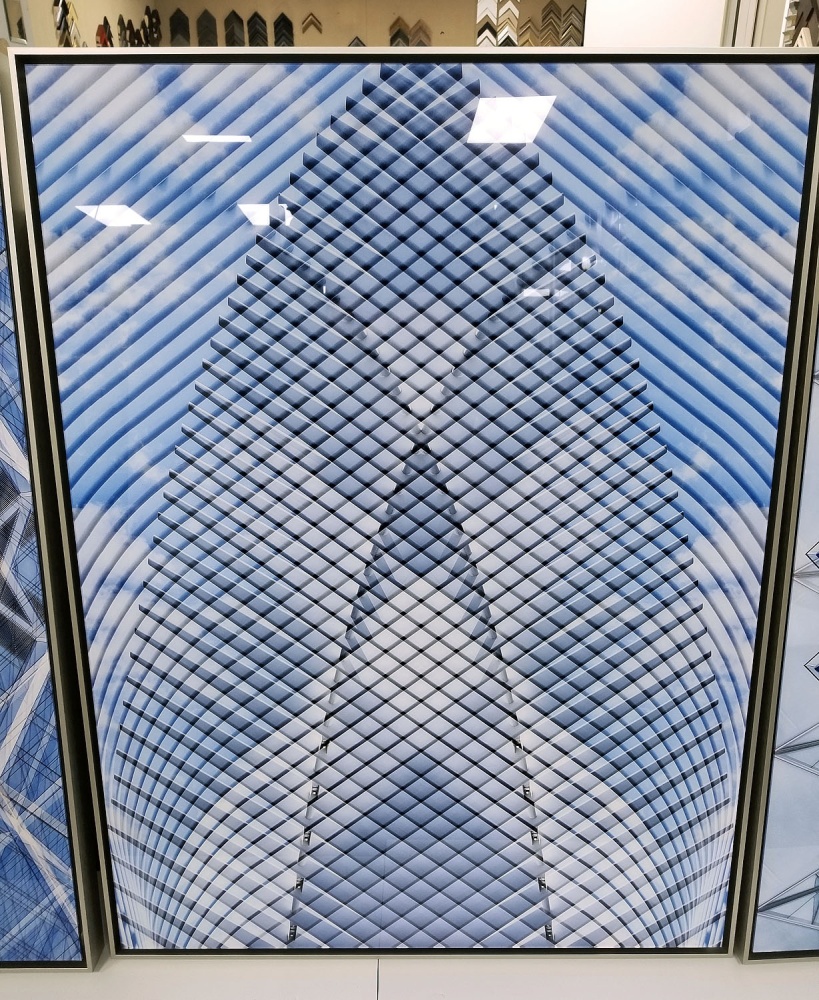
Abstract photographs as contemporary art
Related articles
-

50 Awe-Inspiring Examples of Abstract Photography
50 awe-inspiring examples of abstract photography to fuel yo...
-
Abstract Photography as Contemporary Fine Art
Photographer Andrew Prokos discusses the role of abstraction...
-
How I Create Large-Format Art Prints for Collectors
Photographer Andrew Prokos discusses the process of creating...
-
Liwa Desert and the Making of ‘Dunescapes’
Photographer Andrew Prokos discusses the making of his serie...
-
The Essential Elements of Gallery-Quality Fine Art Photography
Photographer Andrew Prokos discusses the process behind maki...
-
The Beauty of Acrylic-Mounted Gallery Prints
Photographer Andrew Prokos discusses the process behind maki...