
Architecture Photography – 100 Remarkable Examples from Around the World
100 remarkable examples of architecture photography from aro...

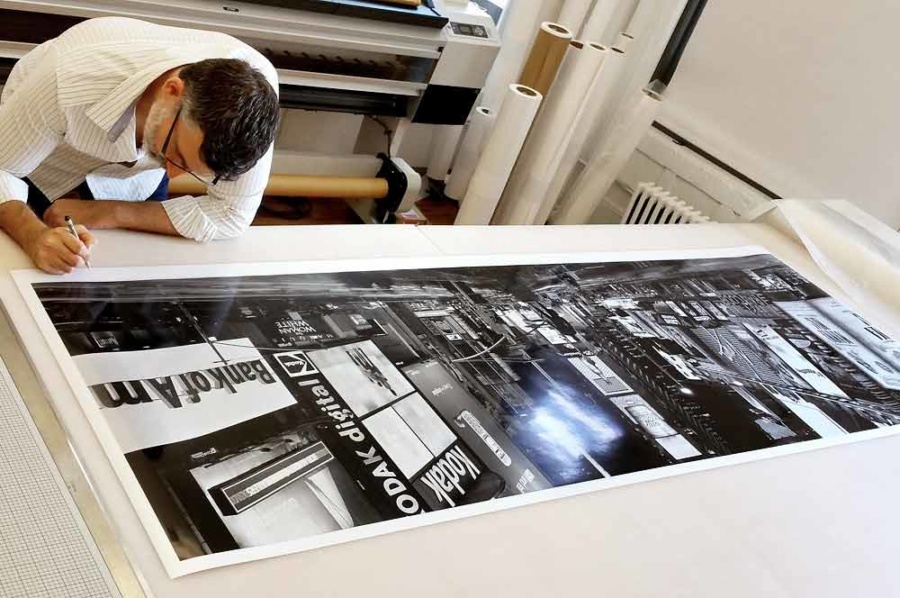
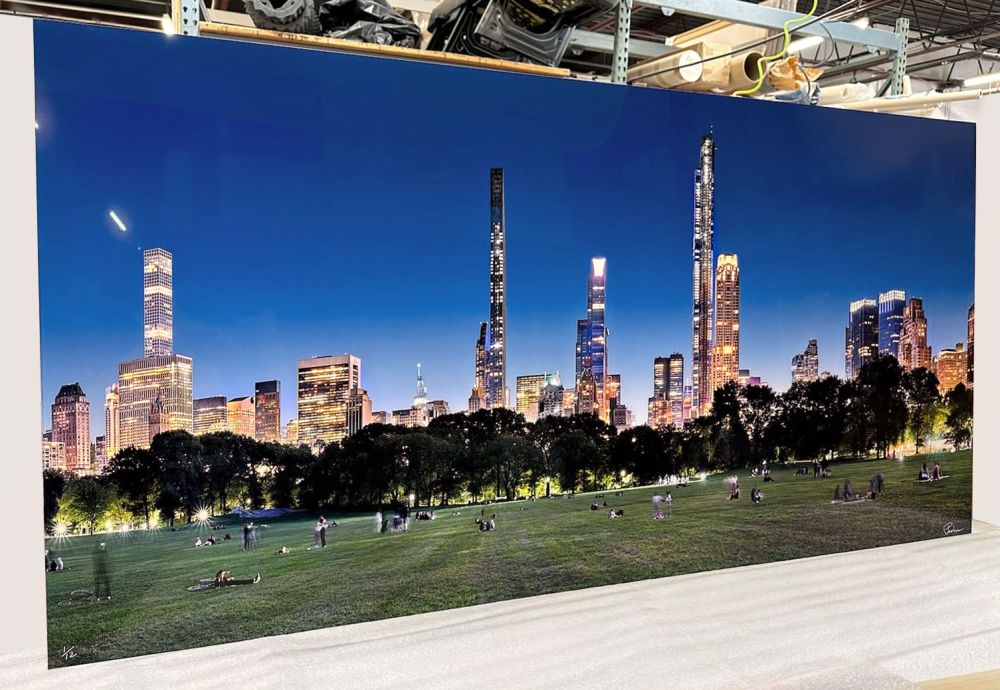
Andrew specializes in large format cityscape, landscape, and panoramic fine art prints in sizes up to 150 inches wide. In order to capture preserve such detail with large-scale prints a very high-resolution image is required. Andrew uses a 6x17cm panoramic film camera and the latest high-resolution digital cameras to capture his images at resolutions which make such scale possible.
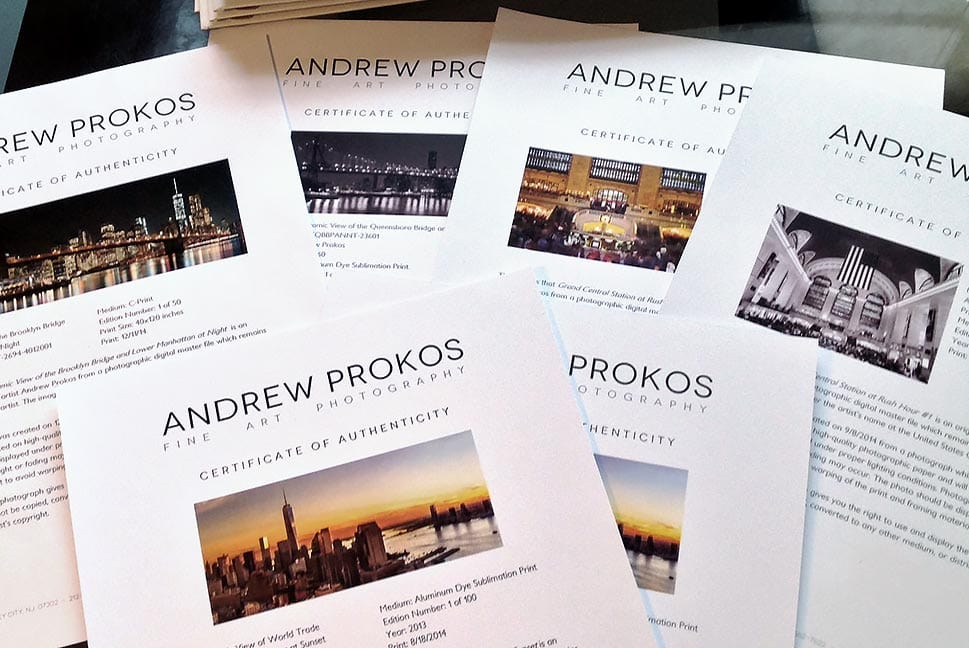
Andrew’s latest works, including his award-winning series, are offered as limited edition prints. Limited Edition prints are signed and numbered and are offered with a Certificate of Authenticity upon request. Edition sizes ranging from 6-50 prints, and can vary by print size and series.
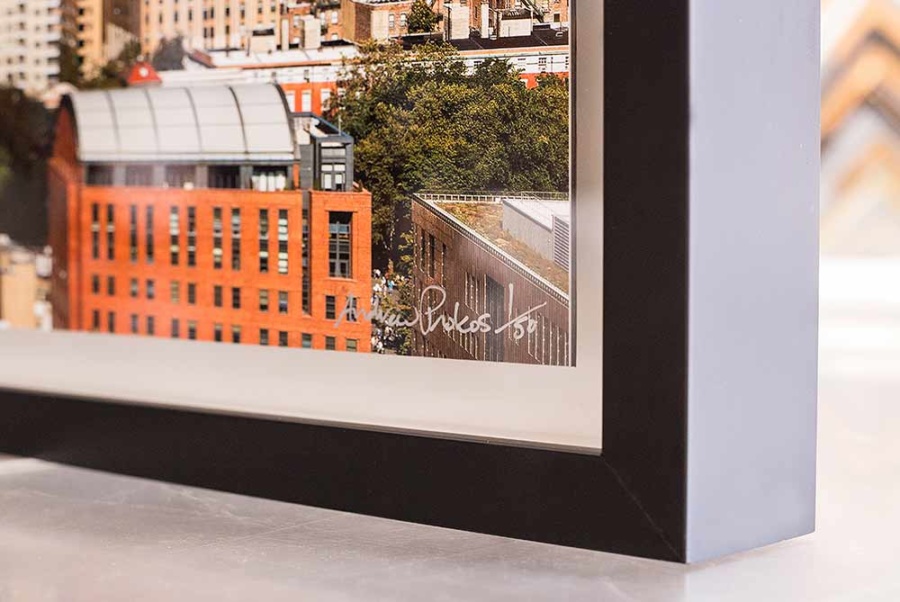
We offer gallery-quality fine art prints, printed on archival papers to our exacting standards. Using the best quality materials ensures that our prints have superior tonality and image permanency. Andrew’s fine art prints have been exhibited in museums, galleries, and corporate art collections around the world.
Below is a list of common print sizes. Please note that these sizes do not apply to every photo on the website. Many photos have custom print sizes which are not shown on the list. Please refer to the photo’s page for the actual available sizes for that photo. lease inquire.
16″ x 20″ – 40.5 x 51 cm |
16″ x 24″ – 40.5 x 61 cm |
20″ x 24″ – 51 x 61 cm |
20″ x 30″ – 51 x 76 cm |
24″ x 30″ – 61 x 76 cm |
24″ x 36″ – 61 x 92 cm |
30″ x 40″ – 76 x 102 cm |
40″ x 50″- 102 x 127 cm |
40″ x 60″- 102 x 152 cm |
60″+ – inquire |
17″x50″ – 43 x 127 cm |
20″ x 60″ – 51 x 152.5 cm |
30″ x 60″ – 76 x 152.5 cm |
24″ x 72″ – 61 x 183 cm |
30″ x 90″ – 76 x 229 cm |
45″ x 90″ – 114 x 229 cm |
40″ x 120″ – 102 x 305 cm |
50″ x 120″ – 127 x 305 cm |
50″ x 150″ – 127 x 381 cm |
150″+ – inquire |
Limited edition prints are produced in set print and edition sizes and are signed and numbered by the photographer. Edition sizes vary by photo and become smaller as the print size increases. A 120 inch size print will typically have an edition size of 3-6 prints, while 17×50 inch prints may have an edition size of 24. Limited editions are designed to create value for the collector by ensuring that production of the photo is limited over time.
Open edition prints are not limited by the number or size produced and are not numbered. Open edition prints are less expensive than our limited edition prints, and offer more flexibility in terms of custom print sizes and cropping to specific sizes. They are printed using the same quality archival materials as our limited edition prints. Open edition prints above a certain size are signed by the photographer, including 16×20 or larger standard sized prints, or 17×50 or larger panoramic prints.
The Certificate of Authenticity (COA) provides additional information about the artwork such as the edition number, print size, medium, date of printing, year the photo was taken, and other useful information about the print. The COA is signed and dated by the photographer and is available upon request. Please note: COAs are not offered for print sizes under 16×20 inches.
Please see the ‘Edition Types’ tab above for more information about our limited editions
We are happy to advise our customers on thematic selection, subject matter, print sizes and framing options. Please feel free to contact us with any questions you may have.
Fine art printing takes place at our professional printers in Brooklyn, Manhattan, and Long Island City, Queens. Framing is handled by our professional framer in Long Island, New York. You can read more about how our photos and framed artwork are produced in our informative articles here: https://andrewprokos.com/photography-articles/
The watermarks on our online images do not appear on the printed photos
Our artwork is printed, framed, and delivered on demand to customers around the world and sales are online only. Our Tribeca NYC showroom operated from 2018 to late 2020 and displayed large-scale pieces from Andrew’s conceptual series. The showroom closed during the pandemic and we do not currently operate a physical space in New York City with inventory which can be browsed and purchased in person. If the showroom is reopened it will be posted on the News and Exhibitions page of our web site.
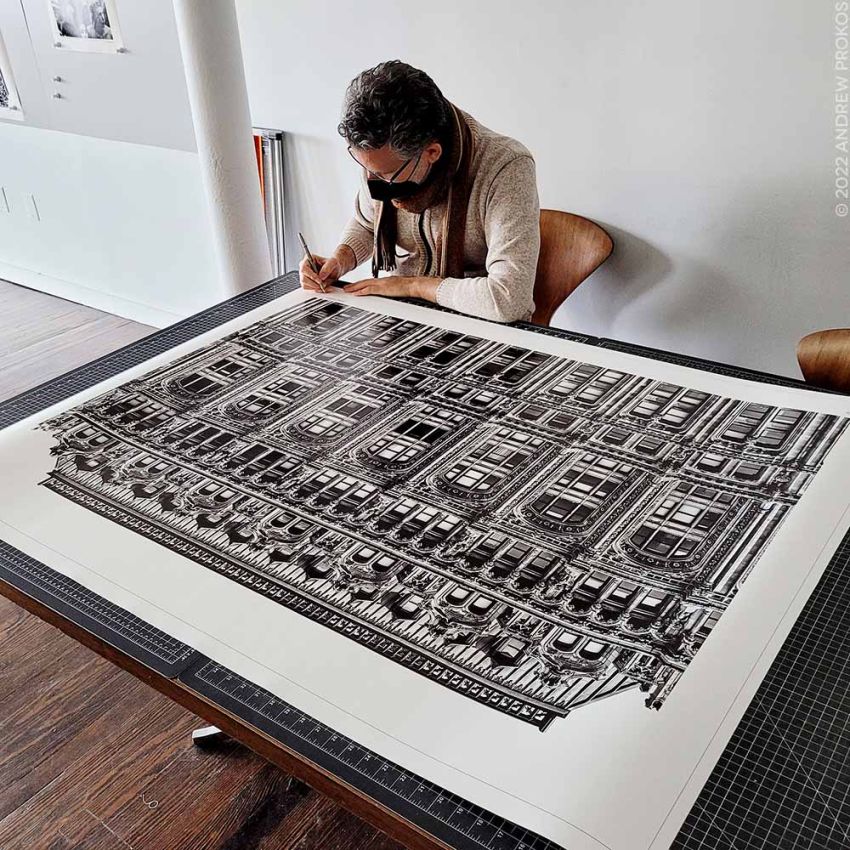
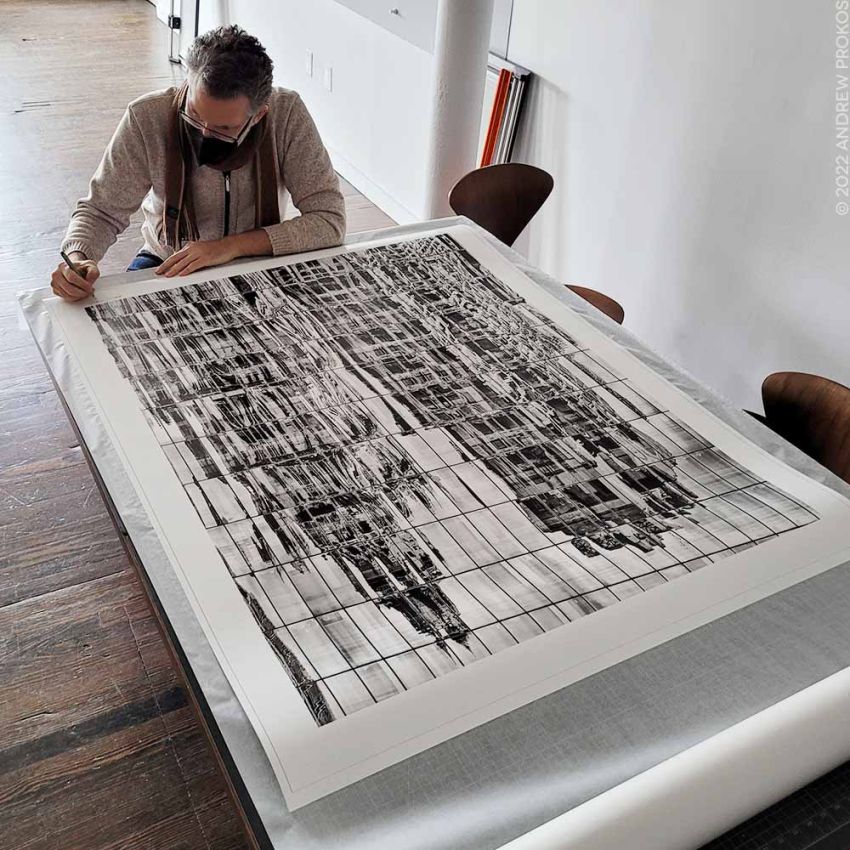
Andrew personally supervises the production of each limited edition print to ensure the highest production standards and quality. For that reason we do not sell or license our images for the purpose of producing fine art prints.
We do not offer canvas art or other types of budget artwork. We offer gallery-quality limited edition prints and framing which are the equivalent or better than what you will find in fine art galleries in New York City and other major cities. You can read about what we do offer here:
The Beauty of Acrylic-Mounted Gallery Prints
Please contact us to inquire about pricing on framed artwork or unframed prints. The quickest and easiest way to receive a quote is to use the Inquire button on each photo’s page. Please note that pricing varies widely depending on the series, the print size, the edition type, and the framing style.
Fine art prints can be purchased by contacting us via email or phone, or by visiting one of our partner galleries online or in person. Pricing can be requested online by clicking the ‘Inquire’ button on any photo page and submitting an inquiry.
We accept all major credit cards, ACH transfers, Zelle, PayPal, and checks drawn on U.S. based accounts. Personal and business checks must clear in full before orders are shipped. There is a 3% transaction fee for credit card payments.
International customers:
There is a $500 minimum for orders shipping outside of the USA, exclusive of shipping charges. We accept bank transfer and credit card payments for international sales in USD, GBP, Euros, CAD and AUD. Currently, GBP card payments incur a 2.6% transaction fee while Euro card payments incur a 1.5% transaction fee. There is no fee for bank transfers.
Please note: Payment in full is required before production begins. We do not accept deposit payments on orders of framed artwork or fine art prints.
Small prints are shipped flat in sturdy cardboard boxes or in small tubes with padding. Large prints are shipped rolled in heavy-duty tubes with padding. Framed prints are packed with generous amounts of cushioning and packing material. Oversized framed prints (typically above 50 inches in width) are crated before shipping to ensure maximum protection in transit. Please note: International customers may wish to contact us in advance for a quote of actual shipping charges.
All purchases are guaranteed to be as described. Our artwork is carefully inspected before it is shipped, however there is a slight chance that damage may occur in transit. It is our policy to replace prints or framing that is damaged in transit at no cost to the customer. Replacement prints are shipped only after the return and inspection of the original damaged merchandise. All sales are final. We do not accept returns of artwork under any circumstance other than the conditions stated above.
Photographic prints are sold for display purposes only. Scanning or copying prints in any way is considered infringement of the artist’s copyright and a violation of federal copyright law. If you are interested in using one of our images for advertising or design purposes please contact us to license the high-resolution image.
The photography industry has come a long way toward creating a more sustainable and resource-conscious future for photographers and for collectors alike. Below are some of the sustainable practices we adhere to in the production of our fine art photographs:
Sustainability in framing is a tougher nut to crack. We use a range of premium wood and metal mouldings sourced from various manufacturers, and in some cases the mouldings are made by hand at our professional framer’s shop in Long Island, New York. According to the frame manufacturer:
“We currently stock over 300 mouldings and over 120 mountboards that are FSC® and PEFC™ certified, all of which are made using timber that has been lumbered in compliance with sustainable forestry policies and are also fully recyclable.”
The acrylic used in framing is the biggest break in the chain. We would have to omit all acrylic to claim that our pieces are entirely sustainable, but unfortunately that is just not possible in the end product. Acrylic protects the photographs over the long term and is an essential part of the process. Glass can be substituted for local orders, but the great majority of pieces sold still use acrylic.
We remain committed to sourcing our materials from manufacturers that have clear and transparent sustainability practices. Photography has already come a long way from the days of film and chemical processing, and we feel confident that it will continue to improve rapidly both in quality and sustainability as technology advances.
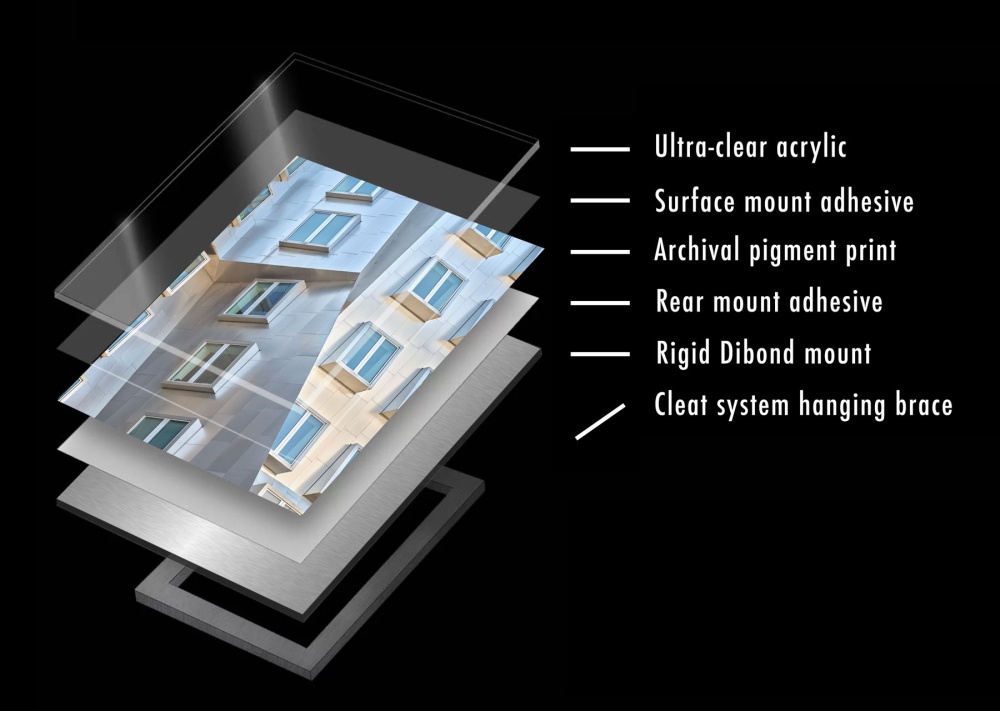
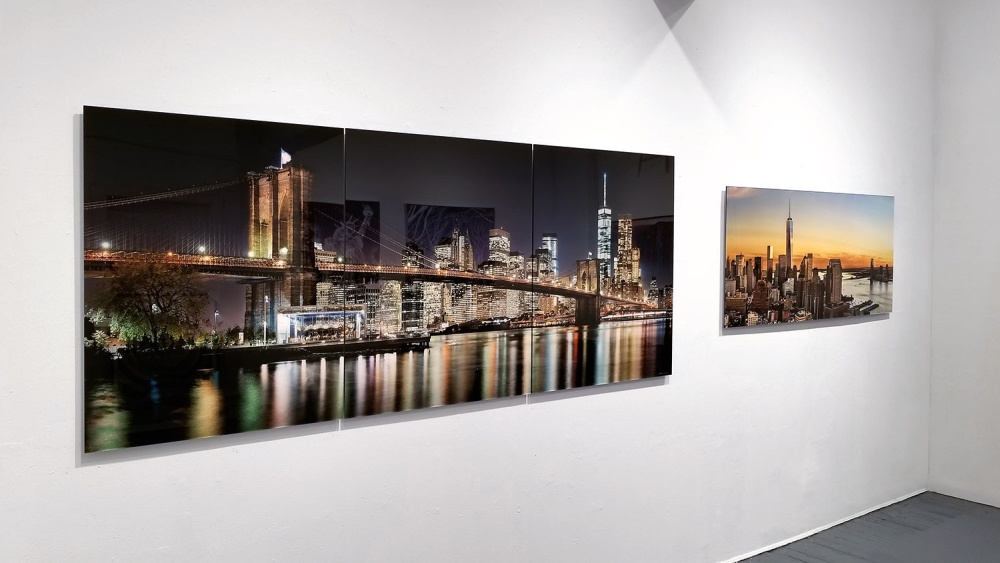
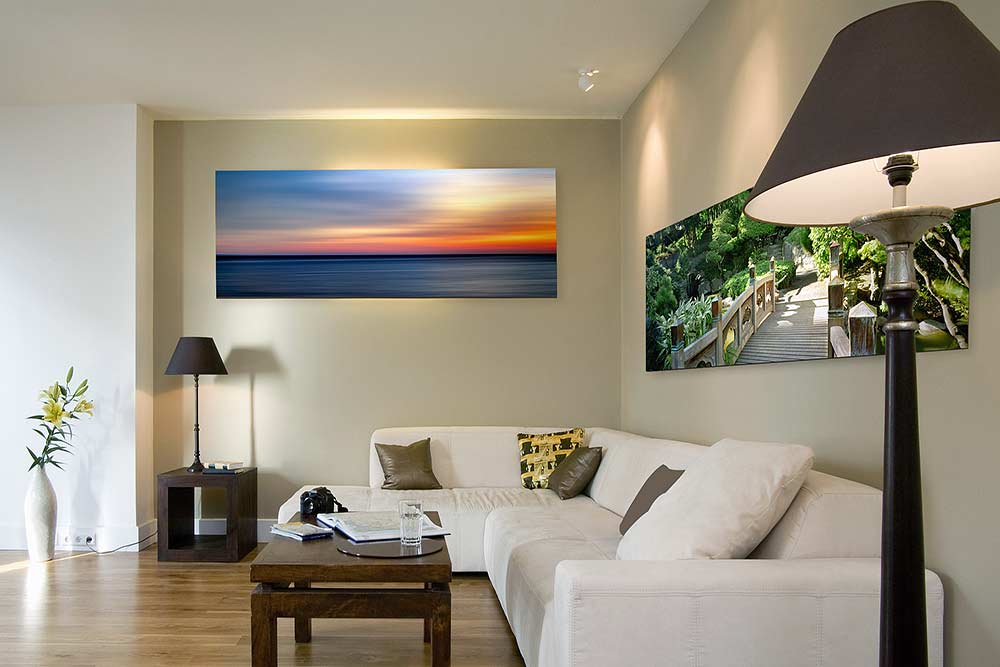
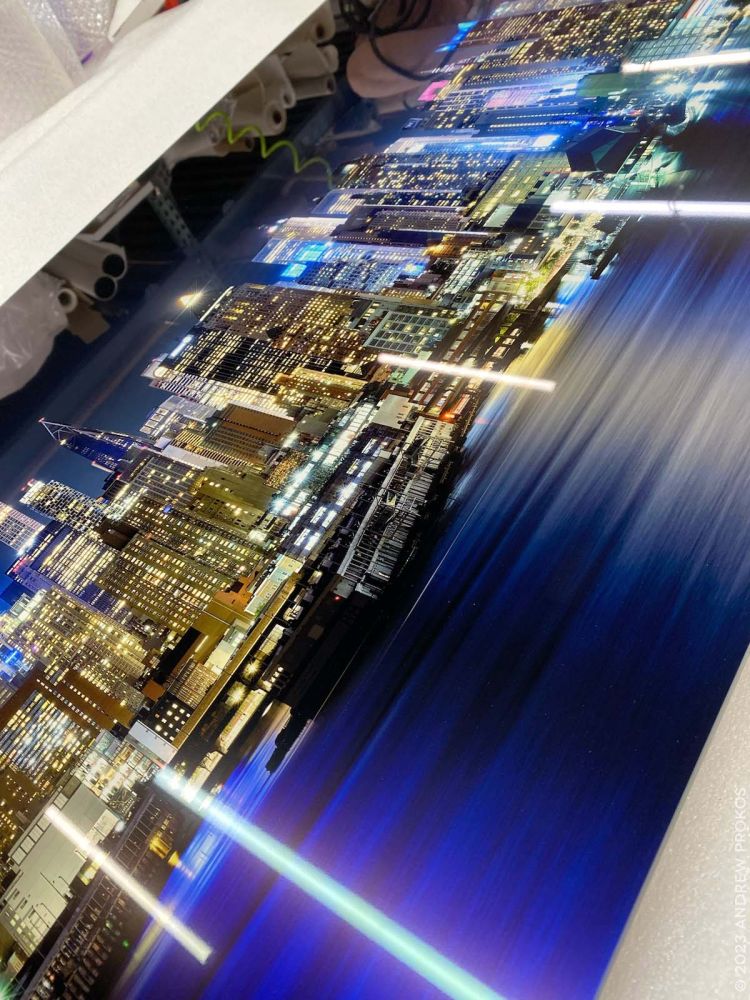
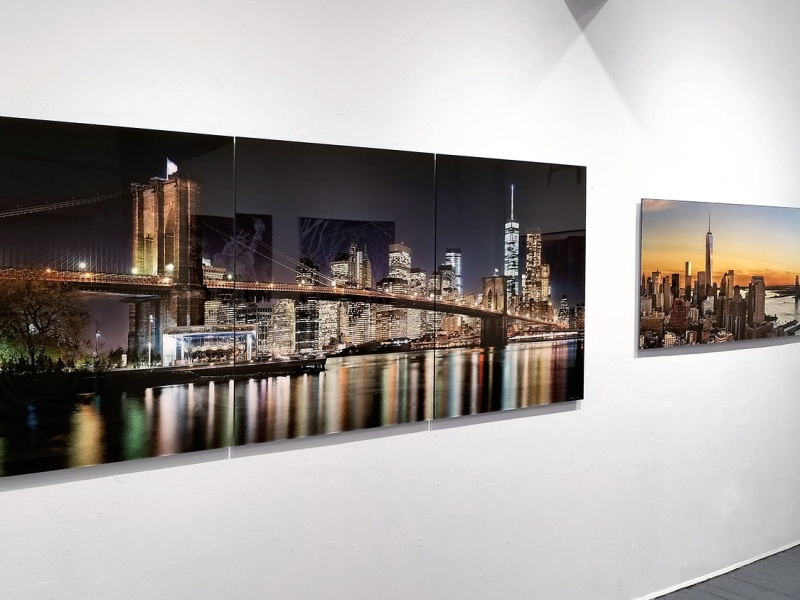
Our acrylic face-mounted prints are a strikingly modern way to display your artwork. The print is mounted on rigid Dibond, an aluminum composite material, and then the ultra-clear acrylic is bonded to the surface of the print. Once the print is mounted, an inset wood or metal brace is attached to the back which floats the photo from the wall.
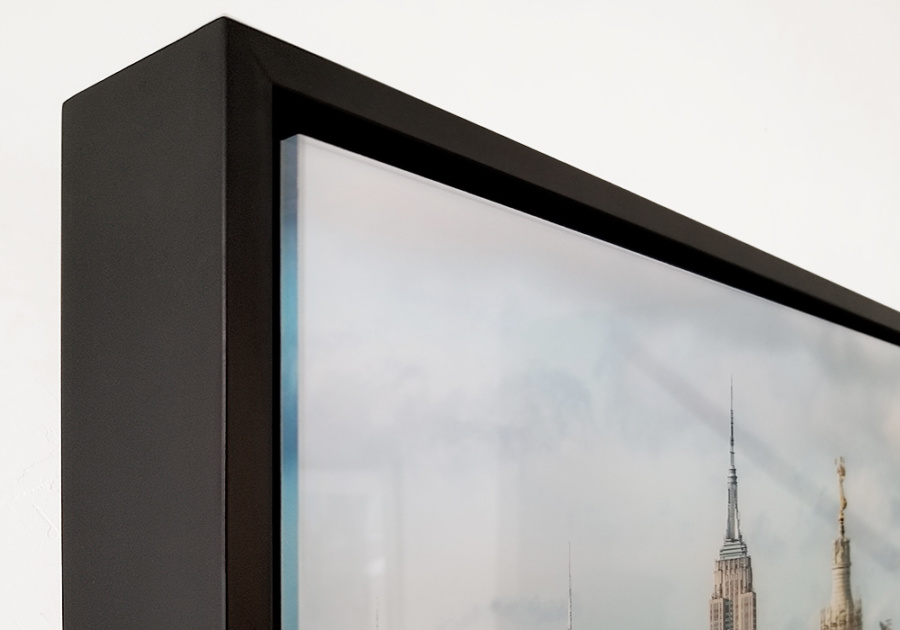
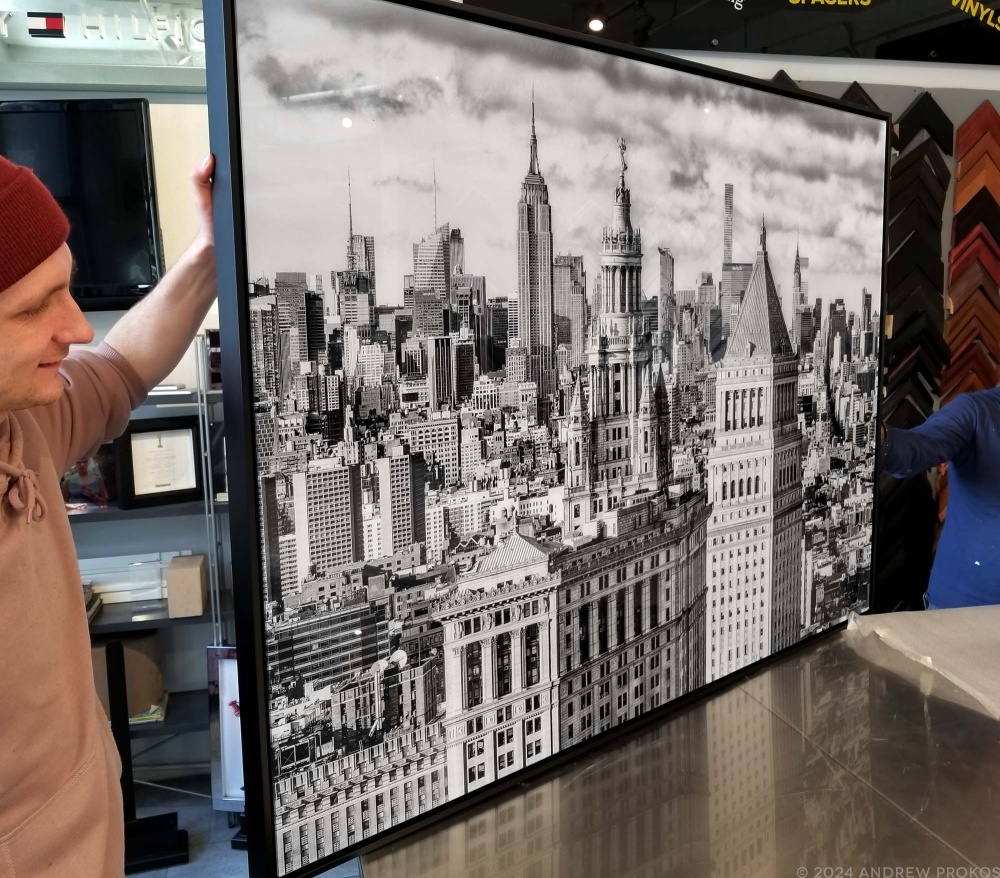
We also offer the option to float the acrylic face-mounted print in a deep profile frame, which is available in black, white, maple, or walnut solid wood, or brushed aluminum. Acrylic float-mounting will give your artwork a clean, contemporary look and is the display method of choice for many high-end photography galleries.
TruLife Optium anti-reflective acrylic is now available for large format acrylic face-mounted photographs. Optium is an optically clear acrylic which renders the full color gamut of prints without any color cast. The acrylic also blocks 99% of UV light, is highly anti-reflective, and scratch-resistant.
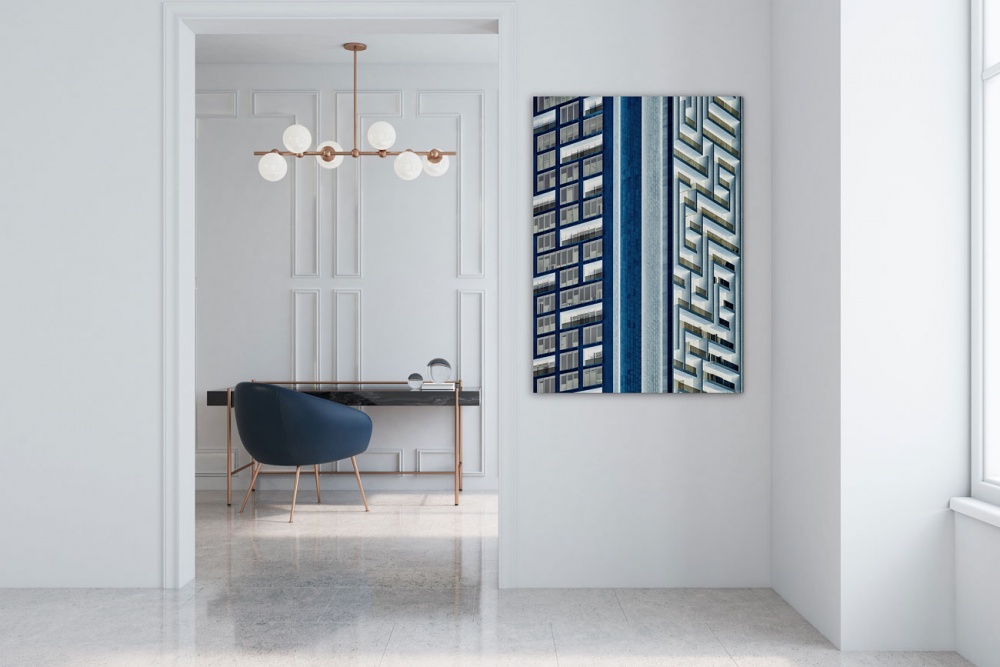
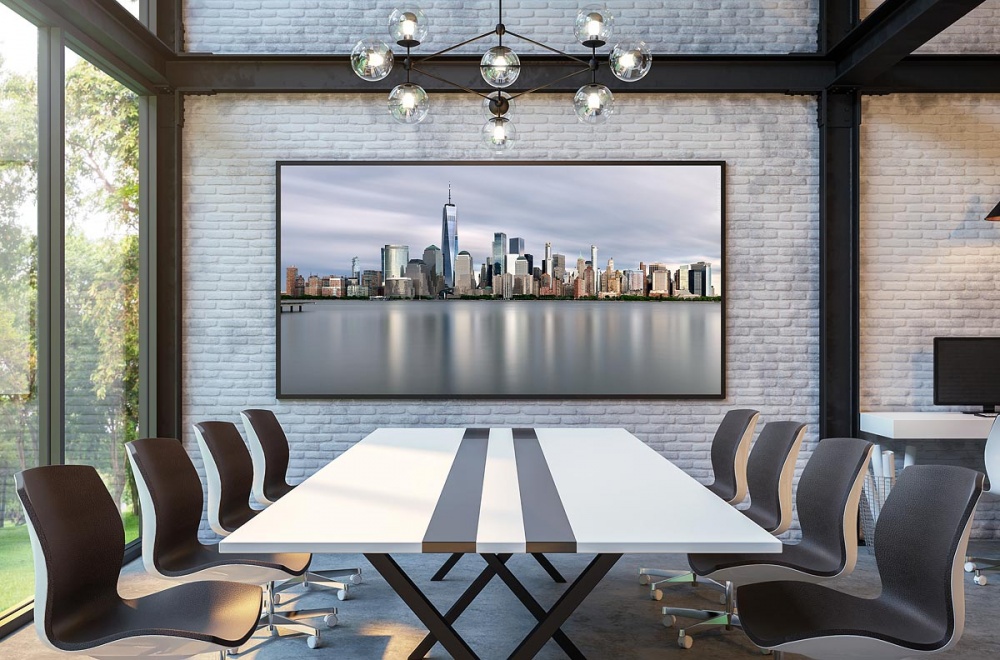
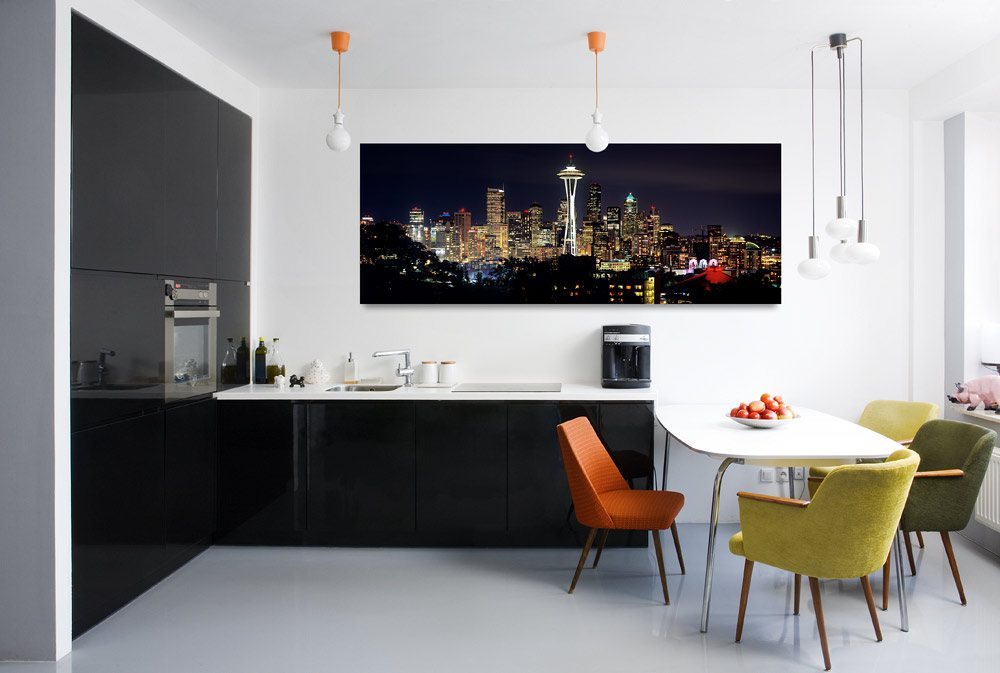

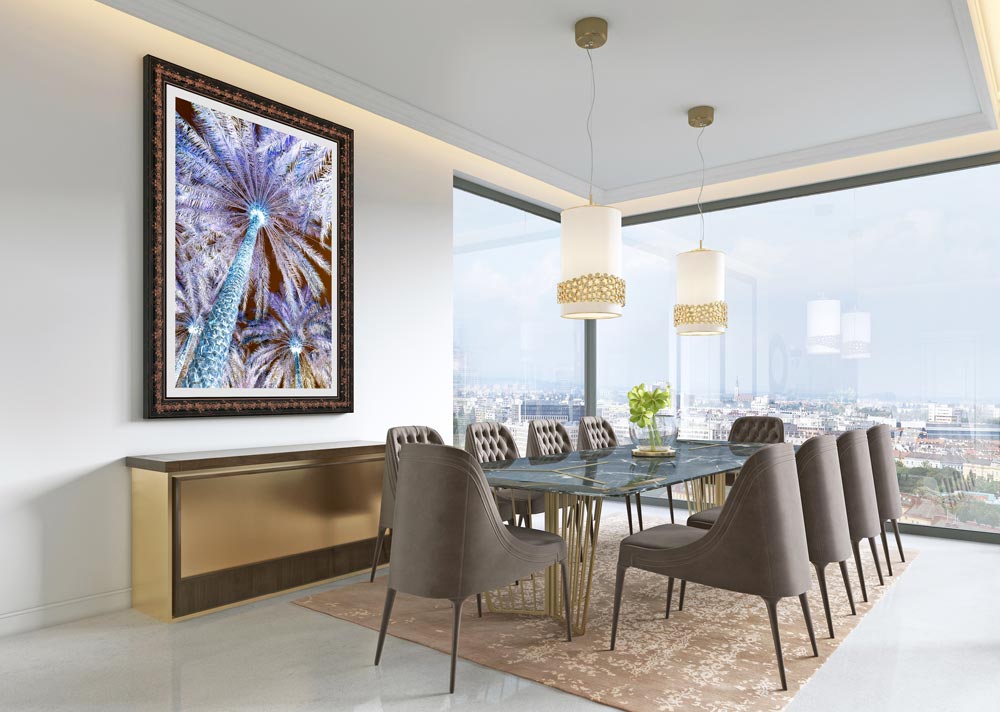


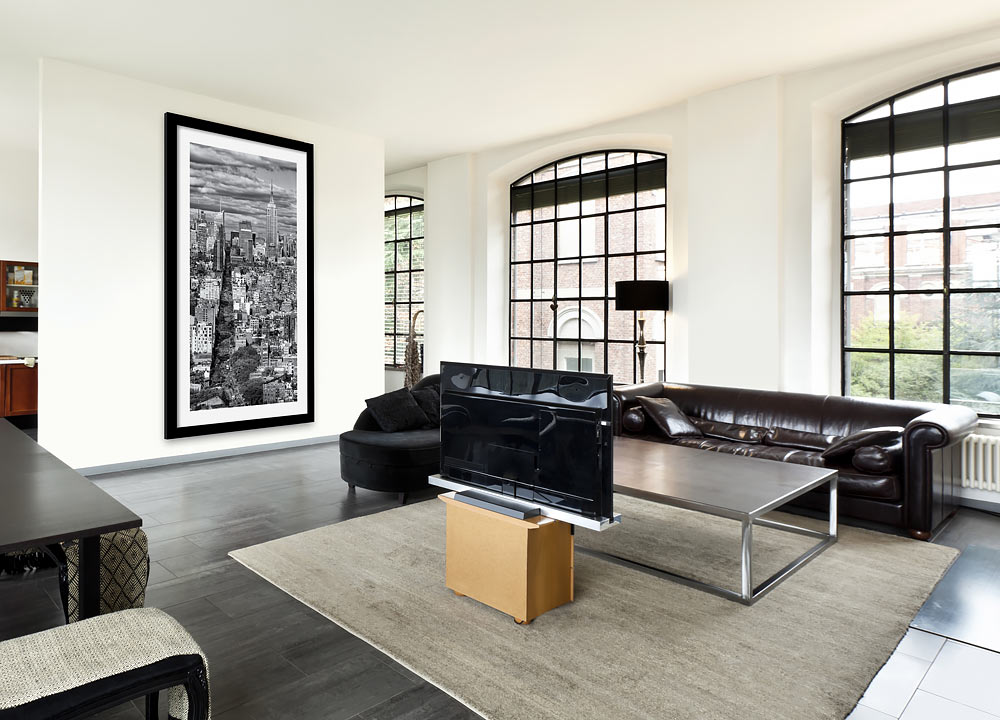
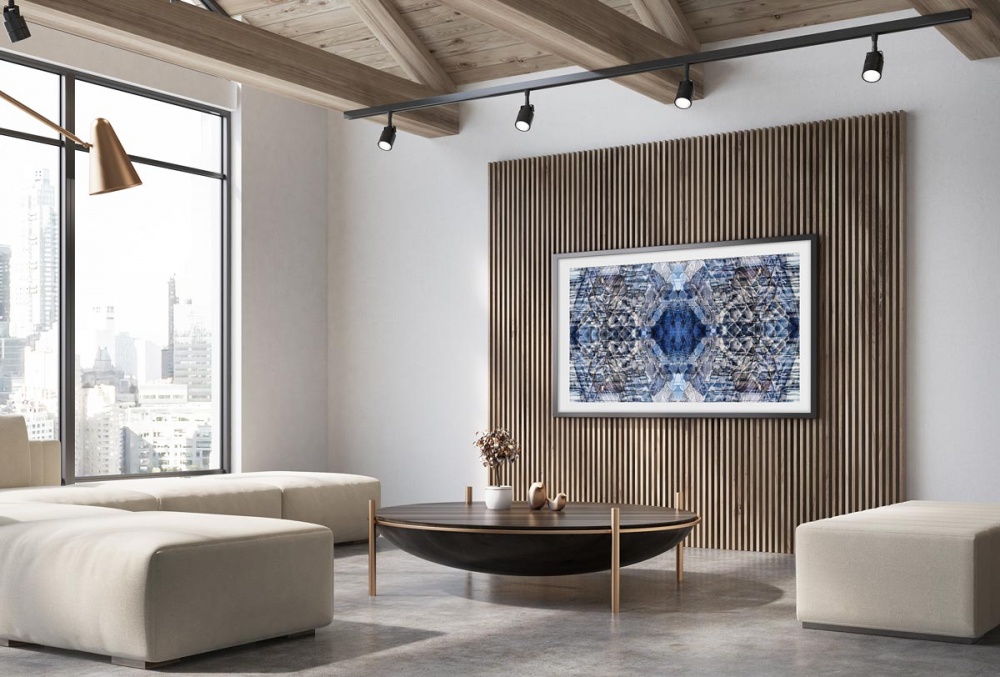
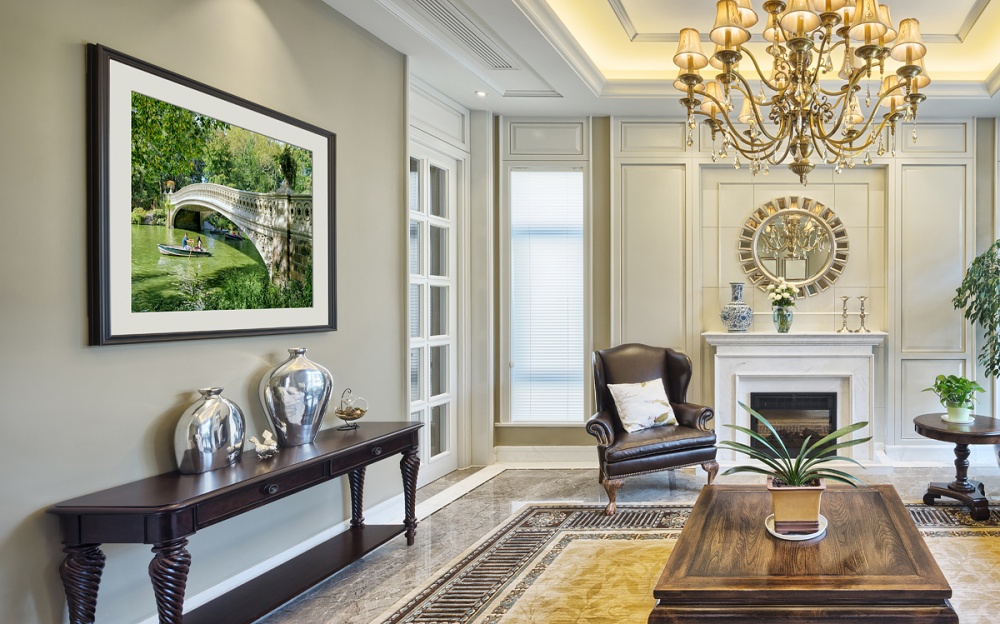
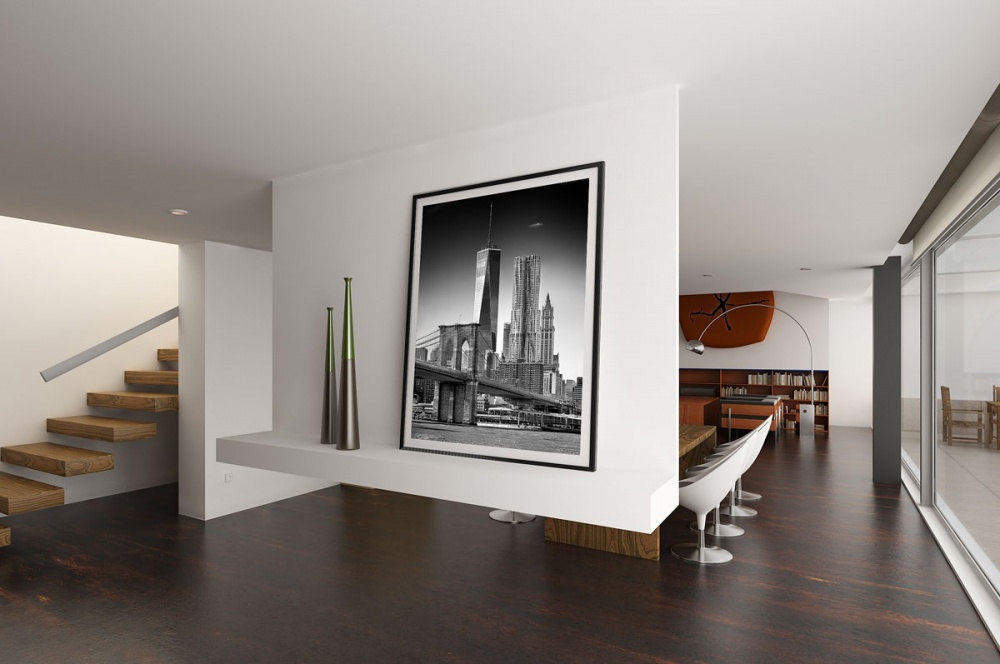
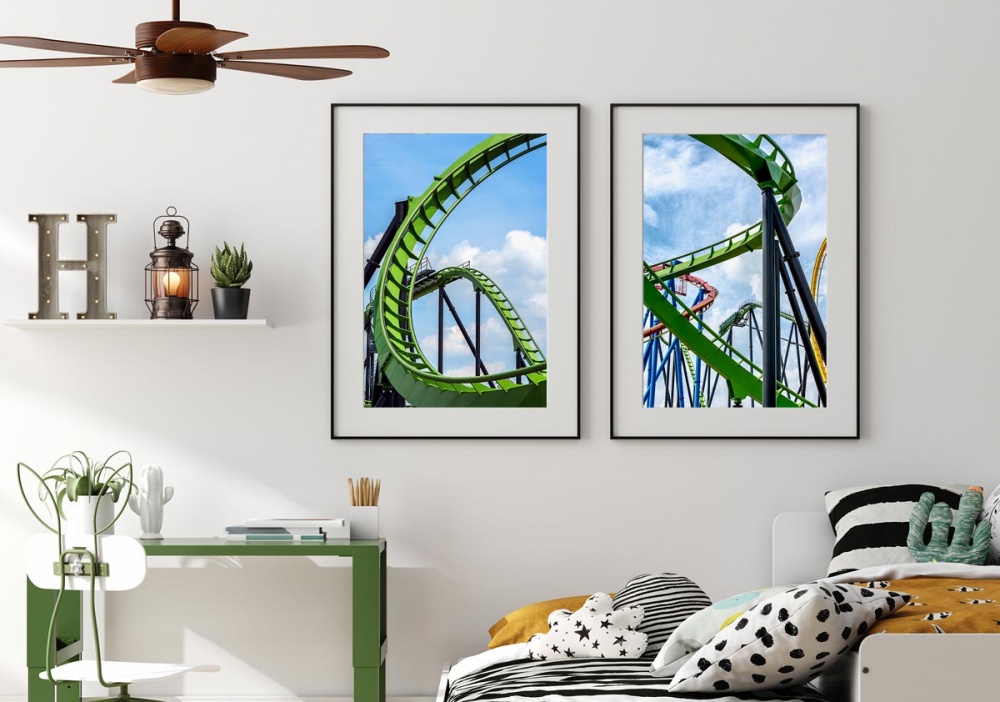
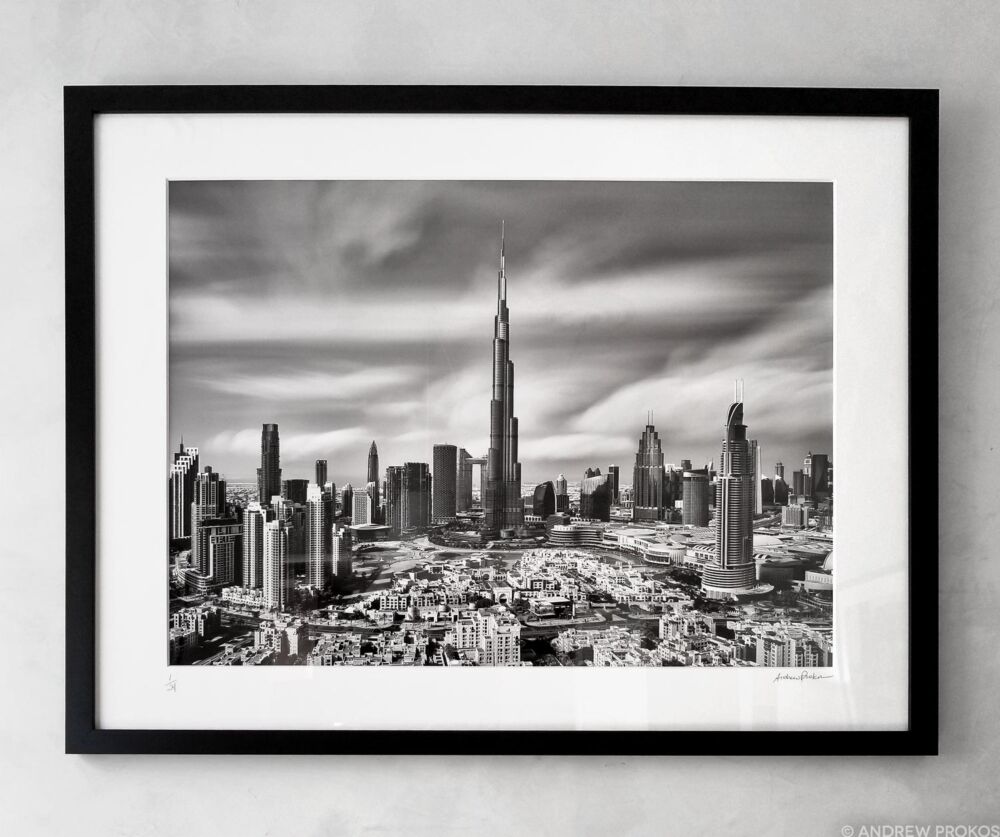
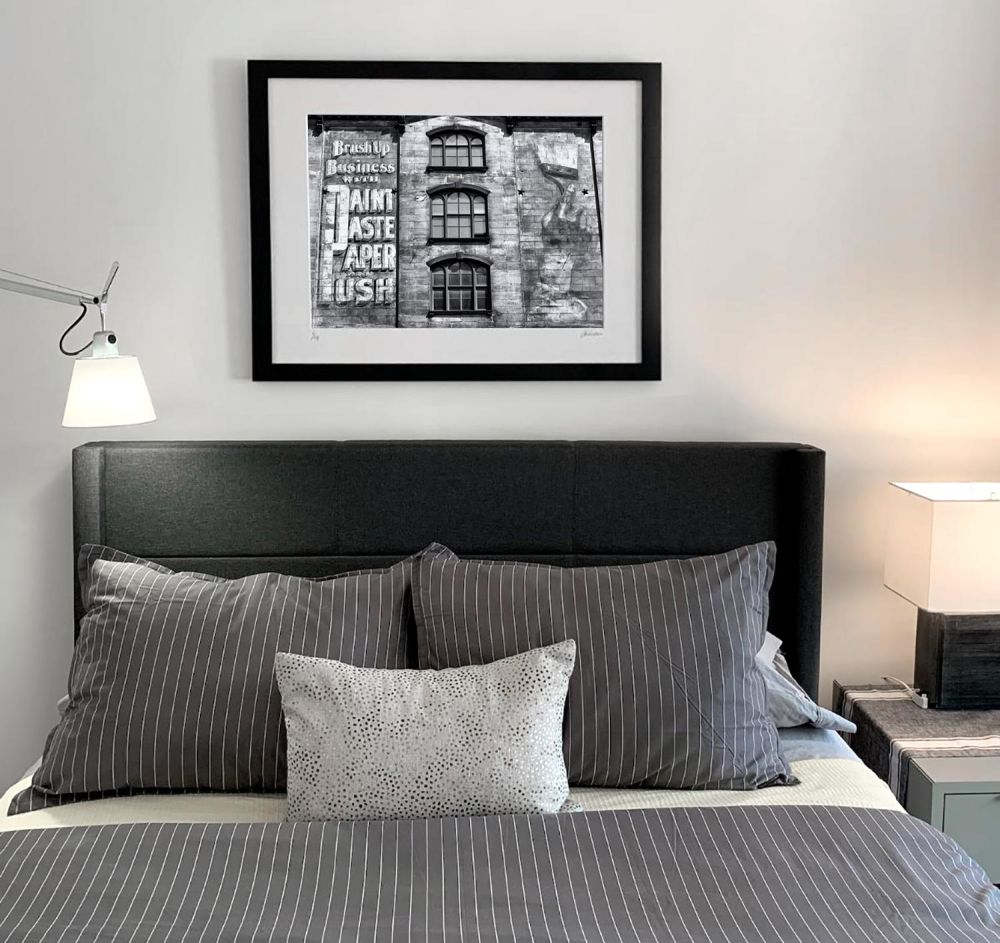
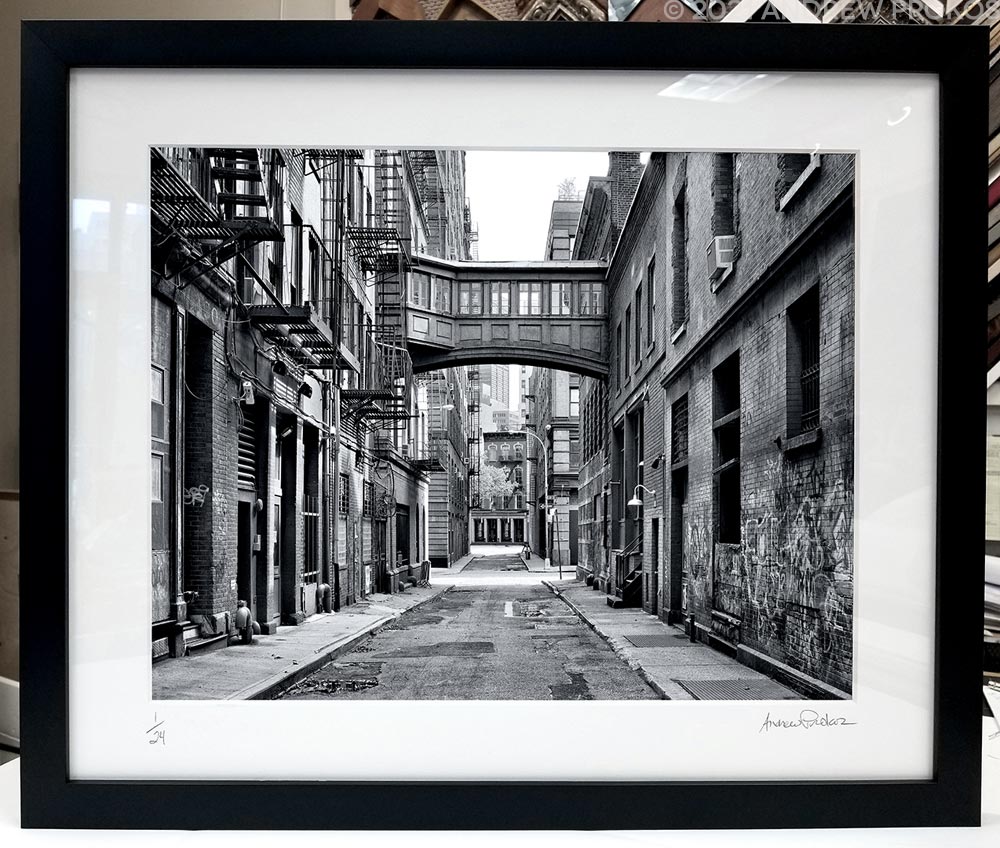
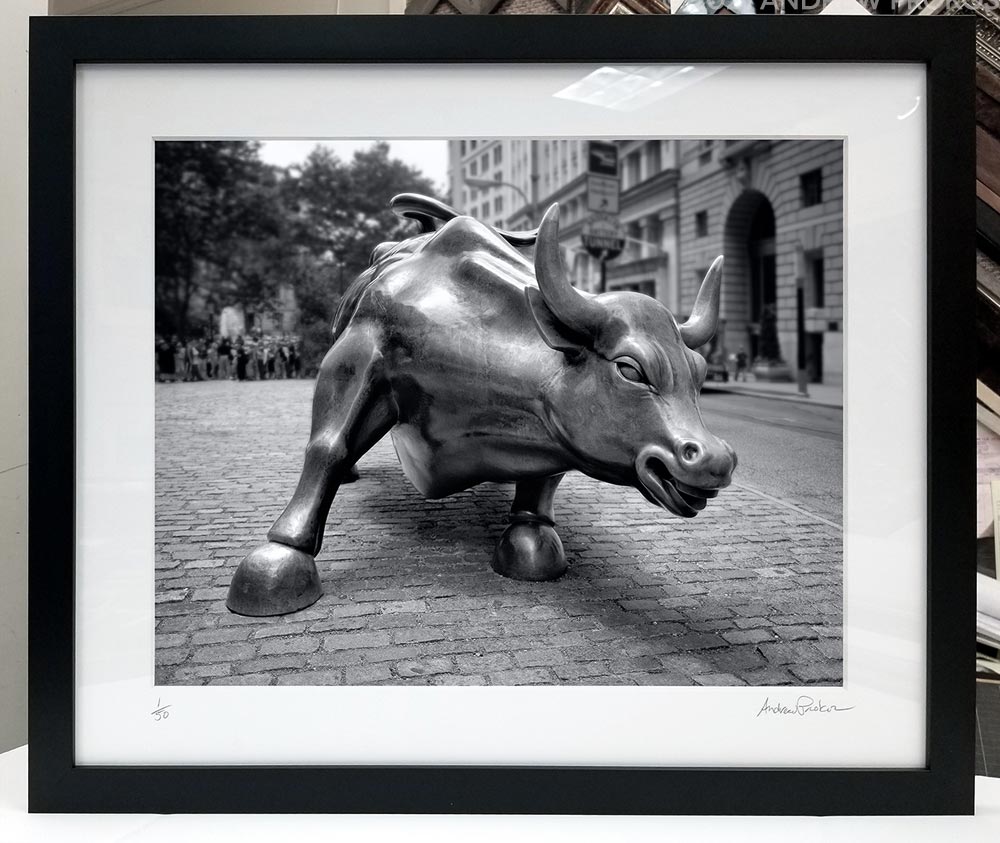
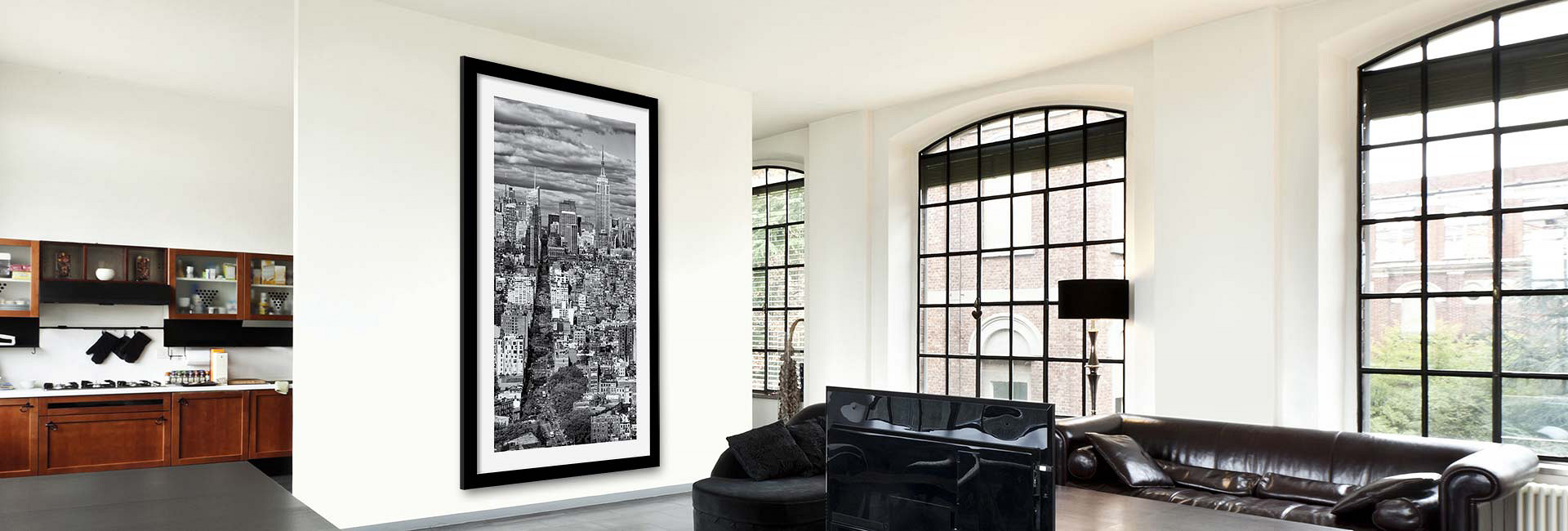
Framed and matted photos offer a classic look suitable for any decor. We include a premium 8-ply hand-cut mat, and use only archival quality acid-free mats and framing materials. Our standard solid wood frames are offered in matte black or brushed pewter and vary from one to two inches wide. We also offer metal frames and can frame in almost any custom style upon request.
Framed to edge is more contemporary look that omits the mat entirely. The photo is printed with a white border and the frame sits at the edge of the print. This style is popular with those who want to keep the framing but prefer not to have their prints matted.
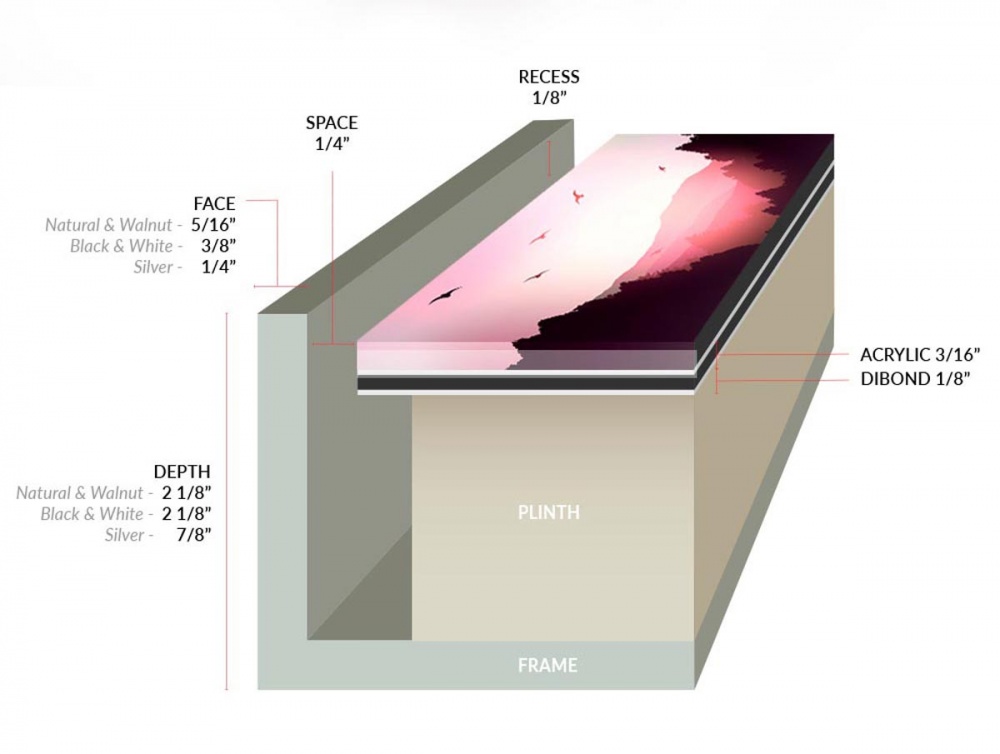
Box frames are a stunning new way to showcase your artwork. The print is mounted to a rigid dibond (aluminum) backing which floats in the box. Clear acrylic is mounted at the front of the box, creating a space between the mounted photo and the acrylic. The solid wood frames used with this style are deeper and have a narrower front face.
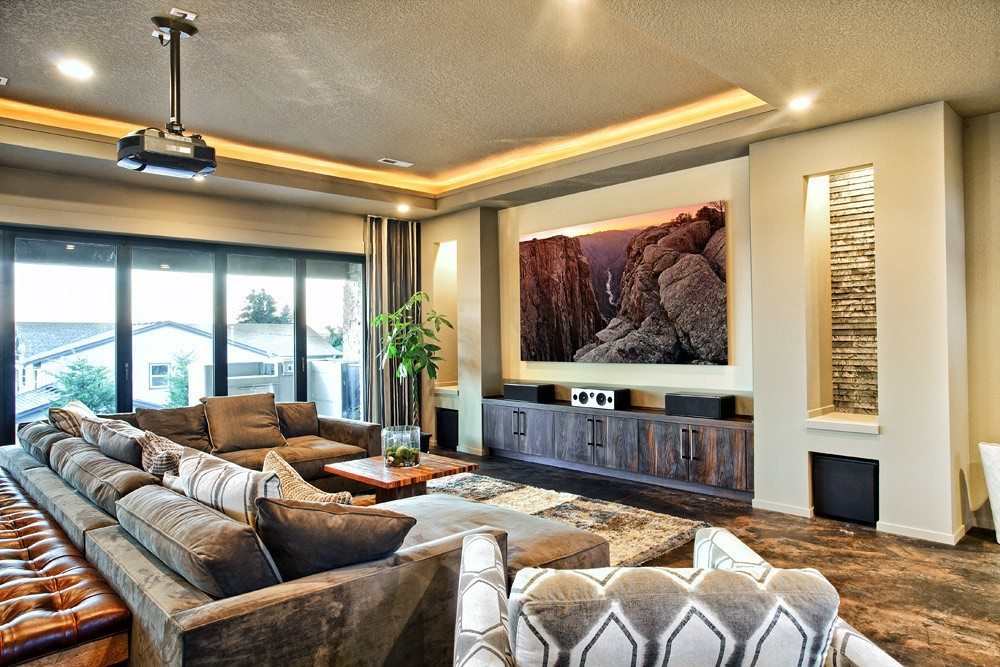
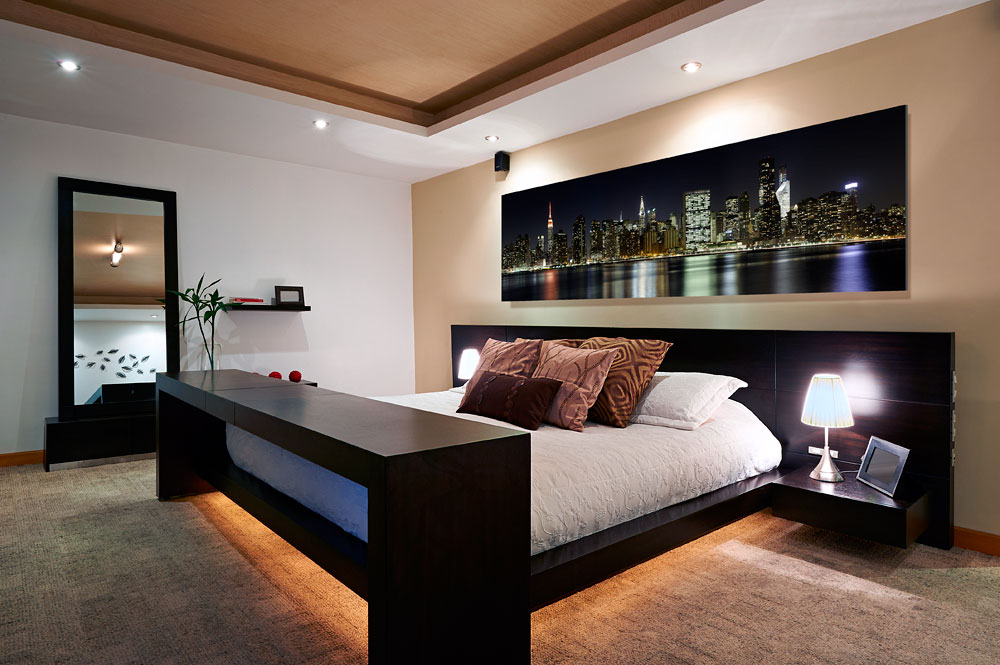
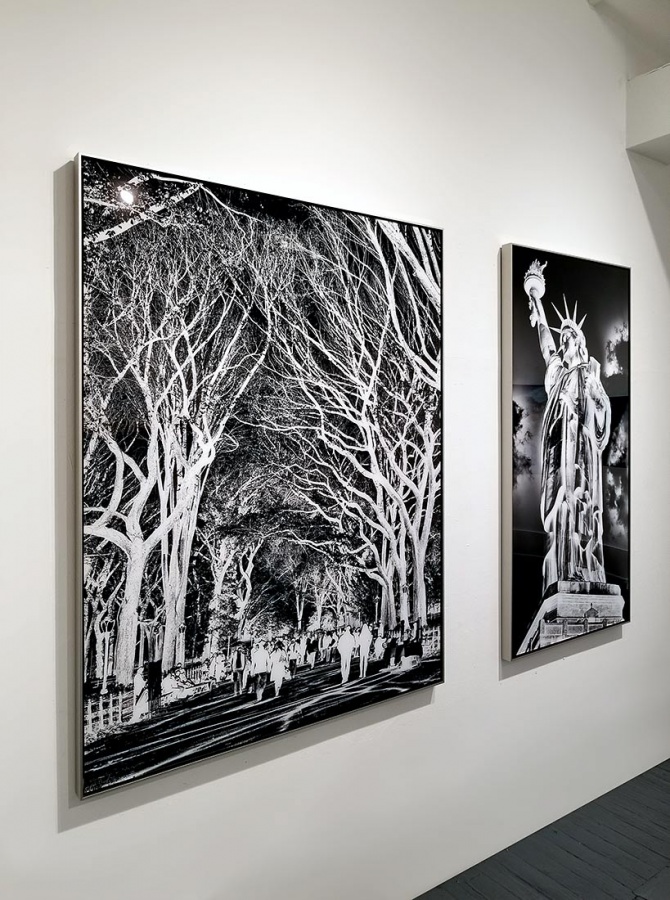
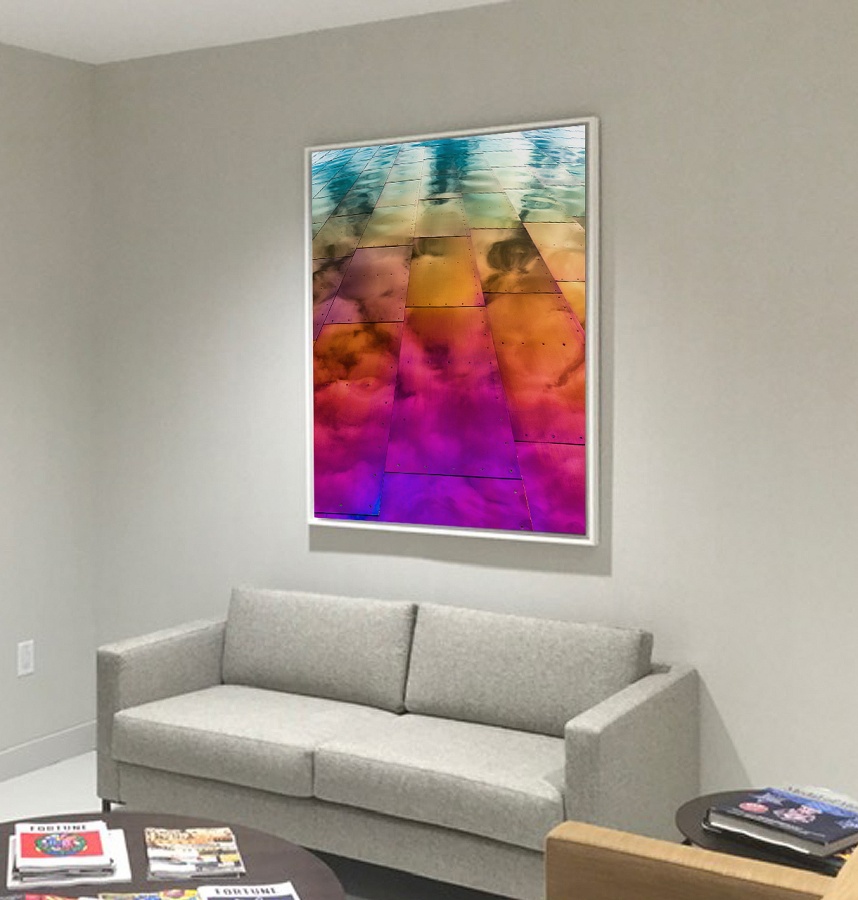
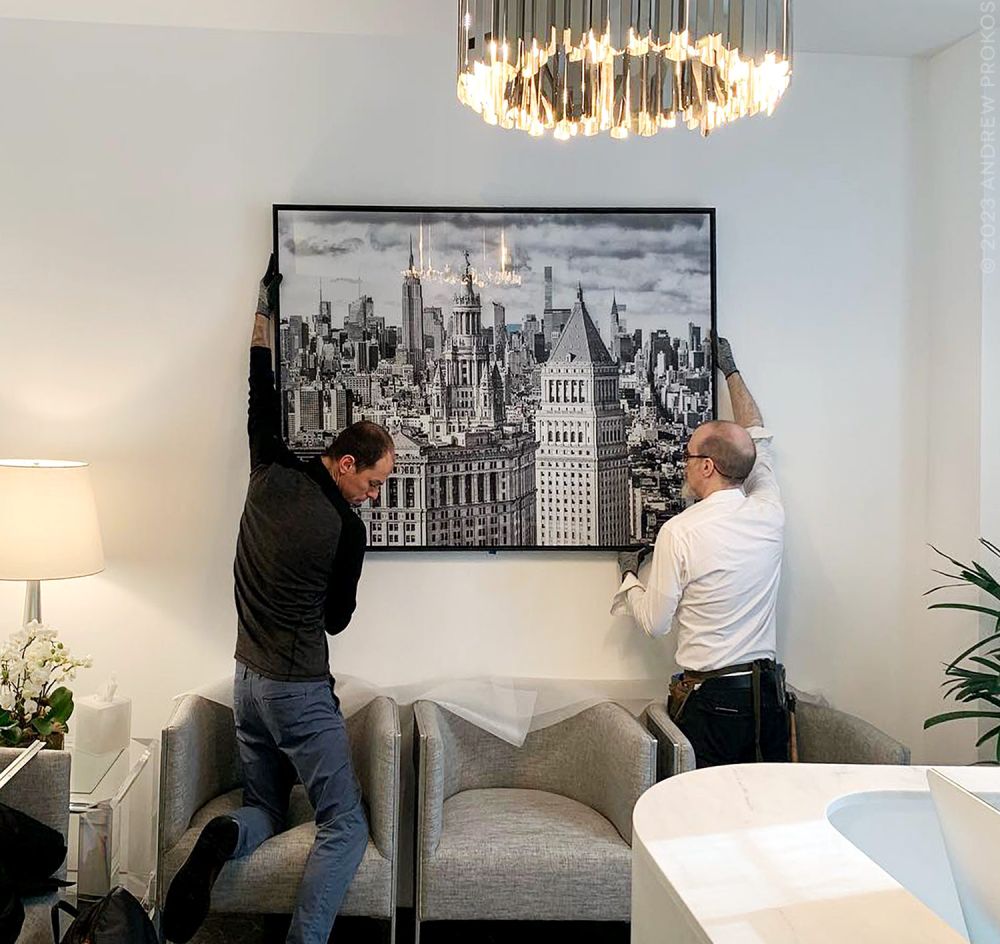
Andrew’s fine art prints are displayed in luxury residences, office spaces, and corporate art collections around the world. They have been exhibited in photography galleries and museums in the U.S., Europe, and Asia. Our Artwork in Homes and Offices page shows examples of Andrew’s large-format black and white and color photos installed in various spaces. We partner with professional framers internationally, eliminating the high cost of crating and shipping framed artwork as well as the customs duties imposed on imported artwork in many countries.
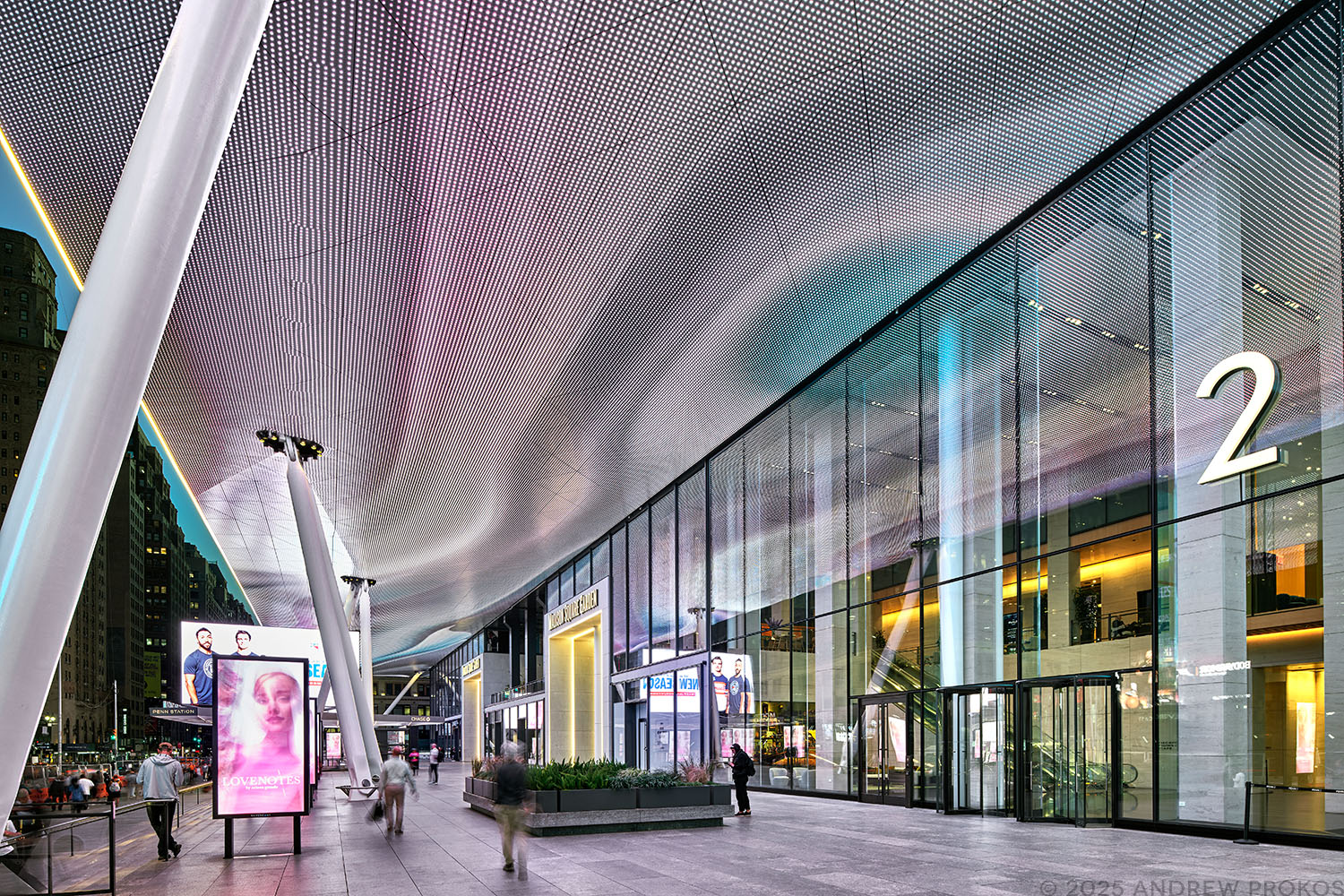
100 remarkable examples of architecture photography from aro...
Photographer Andrew Prokos discusses the process of creating...
Photographer Andrew Prokos discusses the process behind maki...
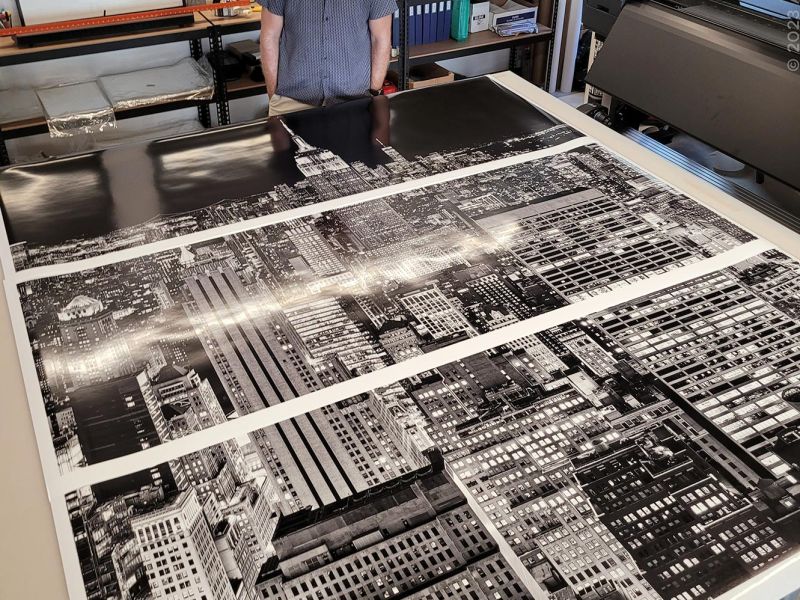
Andrew has won accolades for his fine art prints, which are displayed in prominent homes and corporate spaces around the world. We use premium-grade archival materials to create prints which exhibit a superior tonality and longevity. To see examples of limited edition prints in production, as well as framed prints hanging in the homes of collectors, visit Art in Homes.
Each limited edition print is signed and numbered and is sold with a Certificate of Authenticity. The COA states the date of creation, edition number, and other relevant information about the artwork. Limited edition prints have varying edition sizes and price points.
We offer a full range of framing styles, including classic matted and framed prints, acrylic face-mounted prints, and museum (shadow) boxes. Our professional framers ensure that the framed fine art prints you purchase are beautifully constructed and stand the test of time.
Clarity, tonality, and definition are the hallmarks of a Prokos fine art print. Andrew uses medium format digital cameras to capture multiple high-definition images. These high-definition fine art images are seamlessly merged to produce fine art prints with an unparalleled level definition, sharpness and tonality, even at the largest sizes. Prior to shooting with digital cameras Andrew used panoramic film capture and high-resolution drum scans to achieve the level of detail required to produce large-format prints up to 120 inches wide.
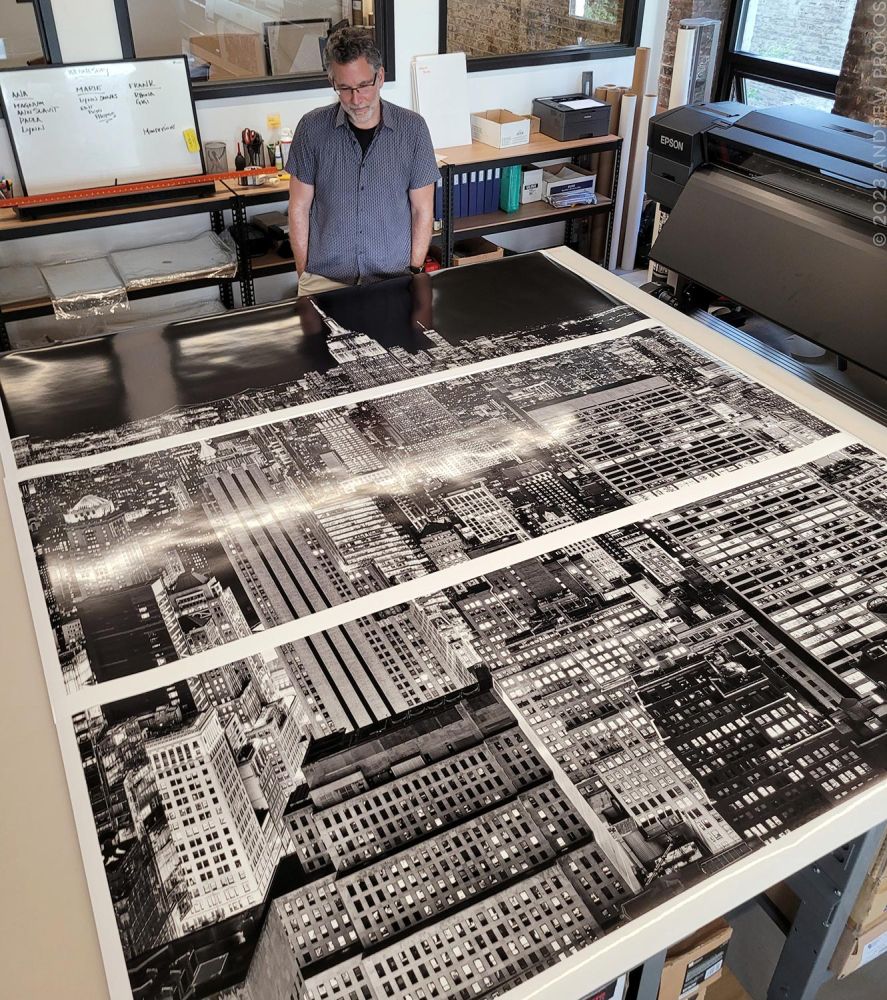
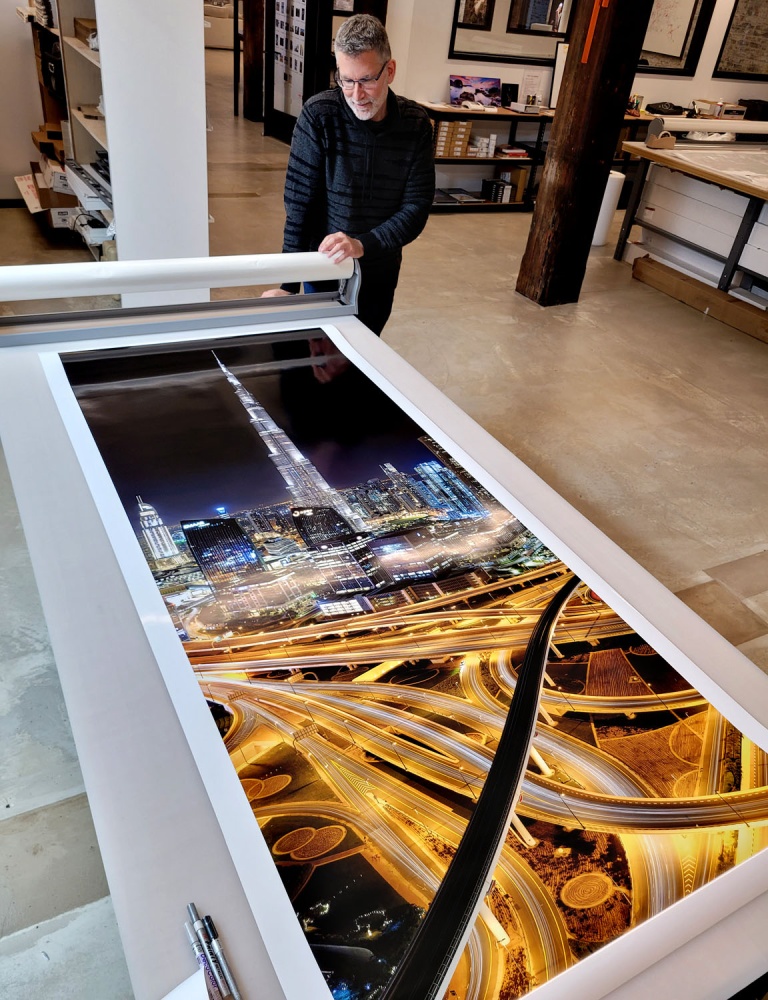
Andrew has specialized in the creation of large-format fine art prints for twenty years. His large-scale photographs are printed on Epson fine art printers supervised by the master printers at our printing lab in New York. Large-format fine art prints are typically mounted on rigid dibond and set in deep museum box frames, or face-mounted with premium ultra-clear acrylic. This method ensures that your large-format framed print will stay rigid over time. The ultra-clear acrylic face-mount accentuates the detail and sharpness inherent in the image while protecting the fine art print from the elements.
We use museum-grade paper stock from the top paper manufacturers in the world, including Canson and Hahnemühle. Through his years of experience in creating both color and black and white fine art prints, Andrew has selected the best papers to accentuate the subject matter. Museum grade papers are certified by the manufacturer to be acid free and rated to over 200 years for image permanency.